
House passes $1T Pentagon bill and Iran-war blueprint, locking Trump election law provisions
More than $1 trillion clears the House with a detailed funding blueprint tied to the Iran war and election-law implementation.
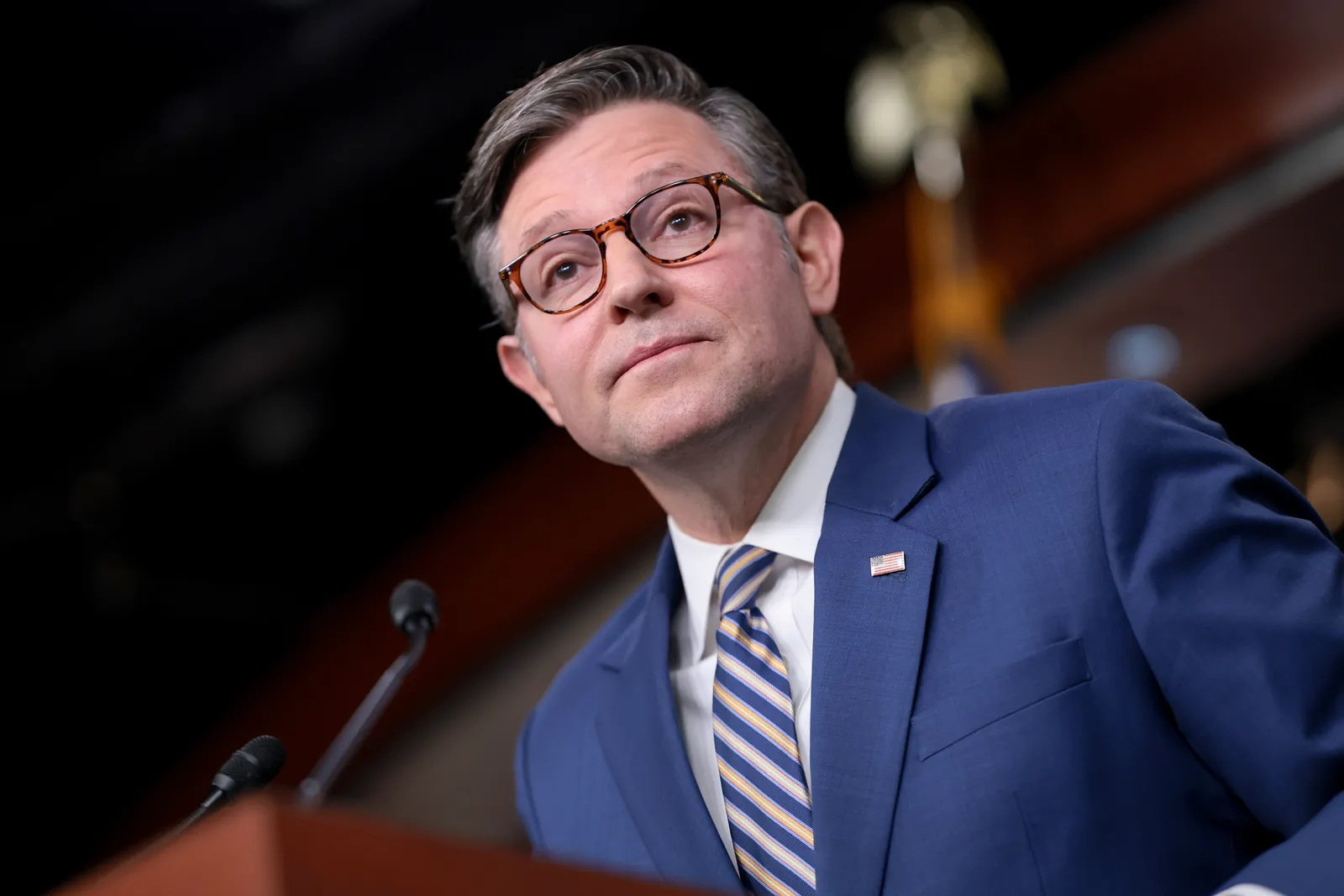
The House passed a Pentagon funding bill totaling more than $1 trillion alongside a budget blueprint to fund the war with Iran. The legislation also includes provisions meant to implement President Trump's election overhaul bill, raising stakes for decision-makers coordinating defense and domestic policy follow-through.
The House has passed a Pentagon funding bill for more than $1 trillion, and paired it with a budget blueprint aimed at funding the war with Iran. At the same time, the measure includes provisions designed to implement President Trump's election overhaul bill. In other words, this is not a “single-issue” vote. It is one legislative package that moves two big levers at once: defense spending and election-policy implementation.
Why this matters for anyone watching how policy turns into real-world execution is simple. Money and rules arrive together. More than $1 trillion for the Pentagon is the kind of figure that reshapes procurement timelines, contracting priorities, and planning assumptions across defense and adjacent industries. The blueprint to fund the war with Iran signals not just intent, but structure. It tells agencies and contractors what the budgeting pathway looks like for sustaining operational commitments tied to that conflict.
Layered on top is the second track: implementing provisions from President Trump's election overhaul bill. That matters because election-policy changes create downstream compliance requirements for governments, vendors, and systems that run election processes. Even if you are not in politics, the operational reality is unavoidable. Election infrastructure depends on planning, procurement, staffing, and technology decisions that are shaped by what laws require and what deadlines follow.
This is also what makes the legislative mechanics worth attention. When lawmakers pass big, complex funding bills, they typically do it as bundles. Bundling lets leaders connect separate political priorities, so supporters feel they are winning on multiple fronts at the same time. It also forces opponents into a high-pressure choice: vote against one part and risk losing the entire package, or vote against their own preferred policy on another part while still enabling the overall funding.
From a governance perspective, budget blueprints are a special kind of signal. A general authorization can be aspirational. A blueprint embedded in a budget package is usually more specific about how funding will be used and what provisions will be carried forward. That reduces uncertainty for the Pentagon and the wider defense ecosystem. Uncertainty is the enemy of long-horizon planning. For contractors, program managers, and supply-chain partners, fewer question marks around funding pathways can mean faster decisions, more confident staffing, and more reliable forecasting.
For decision-makers in corporate worlds that intersect with defense, this kind of legislative move often shows up as a shift in demand expectations. When Congress passes large appropriations, it can affect which contracts get prioritized and how quickly agencies move from planning to solicitation to award. Even where the exact contracting details are worked out later, budgeting is an early weather forecast for the industry. If the blueprint is explicitly tied to funding the war with Iran, then the programs most relevant to that focus area tend to become more prominent in internal planning.
At the same time, the election overhaul implementation provisions serve as a reminder that policy risk is not only geopolitical. It is also administrative and procedural. When rules change, organizations that support government operations, from logistics to technology services, must be ready for altered requirements. Those requirements can trigger new compliance work, new security and data-handling procedures, and procurement adjustments tied to election timelines. If you run a business that sells into government, you do not just watch defense appropriations. You also watch domestic-policy provisions that can change procurement and vendor expectations.
Zooming out, the strategic stake is that this single House action ties together two domains that often move on separate tracks: war-funding and election-policy implementation. That bundling can accelerate momentum for both. It can also intensify scrutiny. The bigger and more intertwined a package is, the harder it becomes to unwind it later without affecting multiple policy areas at once. For executives, boards, and investors looking for signal, that means watching not just the dollar amount, but also the specific blueprint language and how it links to other major policy initiatives.
If you are a leader in a company that depends on defense spending, or a platform and services provider that supports government processes, the immediate implication is operational. Plans built on “what Congress might do” need to be updated to reflect “what Congress has already passed.” And if you are involved in compliance-heavy businesses, the election overhaul implementation provisions add a second layer of follow-through risk: even successful passage is only the start. The real test becomes how the provisions are implemented and what timelines and requirements they produce.
This story's Key Insights and Take-aways are locked.
Create a free account to unlock Executive Actions for one credit.
Register to UnlockAlways free for Executives Club members. Join the Club
More in Politics

LA County: DOJ's 20,000 'noncitizen' voter list is 'unreliable,' includes U.S.-born
Preliminary review by Los Angeles County election officials finds errors in the federal list, raising the stakes for voter roll integrity ahead of November.

Trump's $1.5B Pentagon chip investment lands in North Carolina
A $1.5 billion defense infusion for North Carolina chipmaking signals a new era of Pentagon-backed reshoring - here's what it means for the industry.

Nigeria confirms first Ebola case in Abuja, a woman just off a Uganda flight
Health Minister Muhammad Ali Pate says the patient flew in from Uganda, putting Africa's latest outbreak on Nigeria's doorstep.