

House subcommittee blasts Smithsonian’s American History director after White House “patriotism” report
A White House report called the museum insufficiently patriotic. Now lawmakers are putting the museum director on the hot seat.
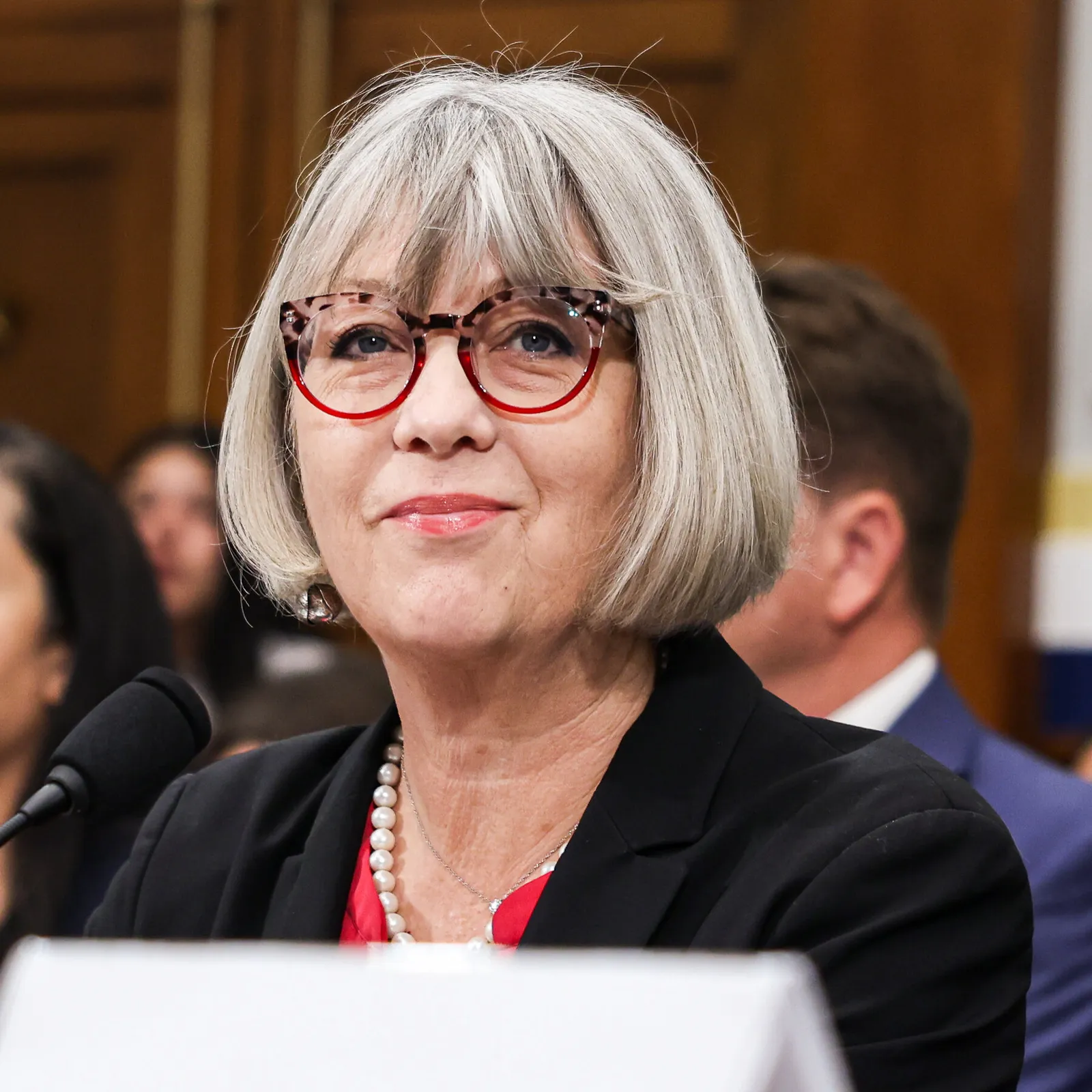
A House subcommittee questioned the director of the National Museum of American History after a White House report described the museum as insufficiently patriotic. The consequence for decision-makers is a new, more political compliance pressure on public-history institutions and their leadership.
In Washington, “culture” can move like “regulation,” and this week is a clear example. A House subcommittee questioned the director of the National Museum of American History after a White House report characterized the museum as insufficiently patriotic.
That sequence matters because it turns a museum job into a policy test. The White House issued a scathing report, and the follow-up is not symbolic. Lawmakers used a formal hearing-style questioning session to pressure leadership at a major Smithsonian institution, effectively asking: Are you presenting American history in the way the government expects?
To understand why this is more than a political dust-up, look at how public-facing institutions manage incentives. The Smithsonian is not a private museum choosing exhibits based purely on donor preferences. It sits inside a federal ecosystem with congressional oversight, government-facing communications expectations, and high stakes around public trust. When a presidential report frames content as “insufficiently patriotic,” the risk is not just reputational. It can quickly translate into legislative attention, scrutiny of programming decisions, and pressure to align messaging and curatorial priorities with the prevailing political narrative.
This is where second-order effects start to compound for executives and boards. Museum directors and other senior leaders are often expected to balance scholarship, public education, and institutional mission. But when political actors label the mission delivery as failing a patriotic standard, leadership can find itself caught between professional norms and external expectations. Even if the museum continues operating under its standard governance processes, the external “scorecard” becomes a moving target. That can change how leaders staff up, how they design review processes for exhibitions, and how they think about what information is shared proactively with stakeholders.
The source is clear about the mechanism: a White House report preceded a House subcommittee questioning. That is a classic Washington pipeline. First, an administration sets a narrative and a critique in a formal document. Then, legislative bodies respond with oversight hearings and targeted questioning. For decision-makers, this matters because it suggests an escalation path: reports can be followed by formal scrutiny of leadership conduct, institutional positioning, and potentially the allocation of political attention that can influence future funding or oversight intensity.
There is also a governance lesson here for boards and senior teams. When oversight pressure rises, boards often become the stabilizer, not the accelerator. They need to ensure leadership has a defensible process for making programming decisions, a clear communications strategy for explaining curatorial choices, and a risk management plan for political volatility. In environments where “patriotism” is treated as a compliance category, the board's role shifts toward ensuring the director can withstand politicized evaluation without compromising the institution’s credibility with the public.
Finally, the broader stake extends beyond the Smithsonian. Other public history organizations, government-affiliated educational institutions, and museums with national-profile mandates may see this as a warning sign. Once the government signals that content will be judged through a patriotic lens, executives across the sector face a similar question: how do you protect the integrity of your mission while anticipating government scrutiny that can be triggered by executive-branch framing?
This is why the story is worth your attention. The White House report already characterized the museum as insufficiently patriotic, and a House subcommittee has moved to question the director. That combination is the real signal. It means leaders in public institutions should expect not only public debate, but formal oversight that targets leadership and can reshape the operating environment in subtle but consequential ways.
This story's Key Insights and Take-aways are locked.
Create a free account to unlock Executive Actions for one credit.
Register to UnlockAlways free for Executives Club members. Join the Club
More in Politics

LA County: DOJ's 20,000 'noncitizen' voter list is 'unreliable,' includes U.S.-born
Preliminary review by Los Angeles County election officials finds errors in the federal list, raising the stakes for voter roll integrity ahead of November.

Trump's $1.5B Pentagon chip investment lands in North Carolina
A $1.5 billion defense infusion for North Carolina chipmaking signals a new era of Pentagon-backed reshoring - here's what it means for the industry.

Nigeria confirms first Ebola case in Abuja, a woman just off a Uganda flight
Health Minister Muhammad Ali Pate says the patient flew in from Uganda, putting Africa's latest outbreak on Nigeria's doorstep.