
HPE's AI server focus on enterprise and sovereign clients drives earnings beat
While Dell chases the same AI boom, HPE's bet on enterprise and government customers is paying off with fatter margins and a stronger quarter.
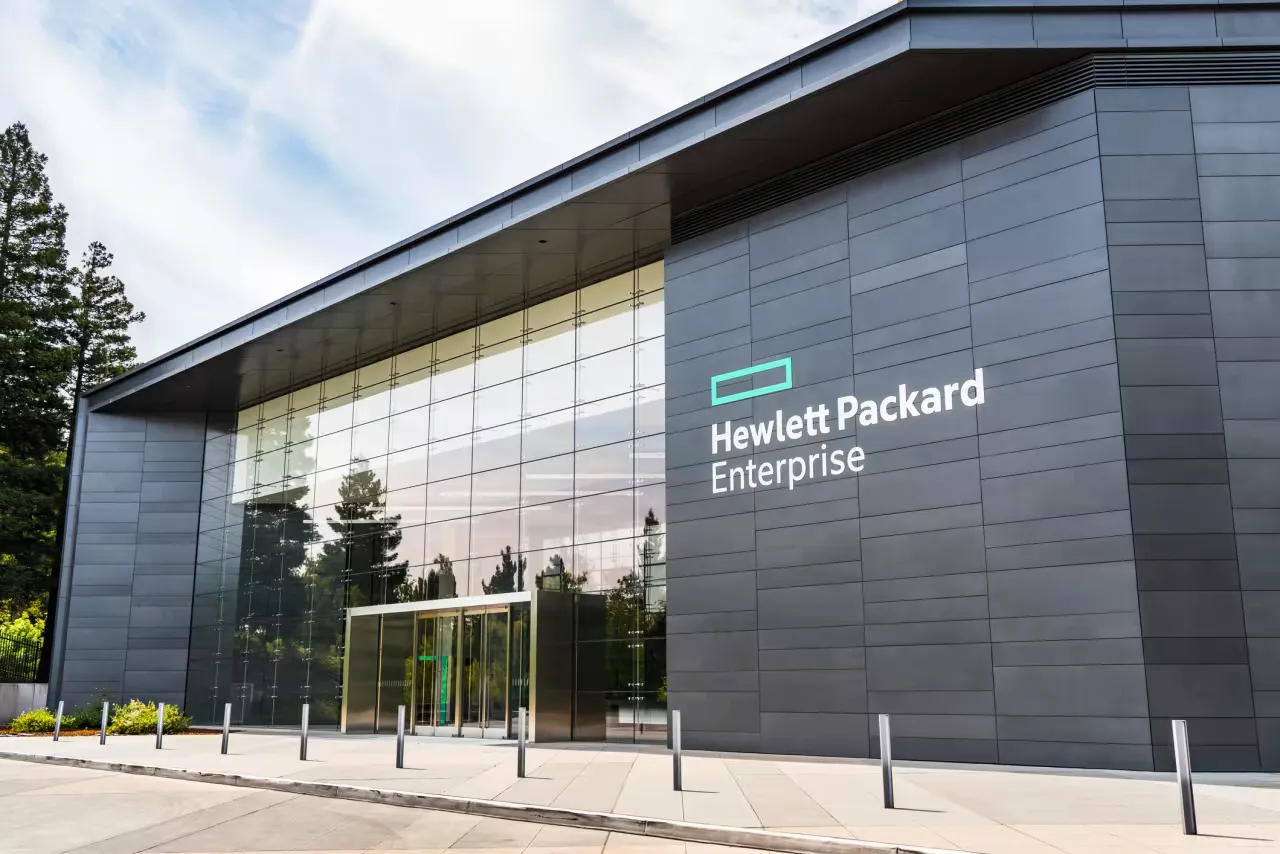
HPE reported a big earnings beat, riding the AI server boom but targeting a different customer base than Dell. An analyst noted that HPE's focus on enterprise and sovereign clients offers a better profit profile, signaling a strategic divergence in the AI hardware race.
Hewlett Packard Enterprise just dropped a quarterly report that turned heads on Wall Street, and the headline is simple: the AI server boom is real, but not every player is playing the same game. While Dell has been the loudest name in the AI infrastructure rally, HPE quietly posted a big earnings beat of its own, and the reason isn't just raw demand-it's who they're selling to. An analyst following the space put it bluntly: HPE's focus on enterprise and sovereign customers gives it a better profit profile than Dell's approach. That one line explains a lot about why HPE's stock is moving and why the AI hardware race is splitting into two very different strategies.
The AI server market has been on fire for over a year, driven by hyperscalers and cloud giants desperate for GPUs and the systems that house them. Dell rode that wave hard, becoming a go-to vendor for massive AI clusters. HPE, meanwhile, took a more selective path. Instead of chasing every hyperscaler dollar, the company concentrated on traditional enterprises-banks, manufacturers, healthcare systems-and on sovereign customers, meaning national governments and state-backed entities that want AI infrastructure built and operated within their own borders. That choice isn't just about market positioning; it's about margins. Hyperscaler deals are often high-volume, low-margin affairs, where the buyer has enormous negotiating power. Enterprise and sovereign deals, by contrast, tend to be stickier, more customized, and less price-sensitive. The analyst's note suggests that this mix is exactly why HPE's profitability is holding up better than expected, even as the AI spending spree continues.
The sovereign angle is particularly interesting. Over the past year, a growing number of countries have decided that AI is a matter of national security and economic sovereignty. They don't want to rely on foreign cloud providers or import all their AI capabilities. That has created a niche but rapidly expanding market for vendors who can deliver secure, on-premises AI systems tailored to government requirements. HPE has been aggressive in this space, positioning itself as a trusted partner for nations looking to build their own AI stacks. This isn't just a nice-to-have; it's a strategic moat. Sovereign deals often come with long-term contracts, regulatory protections, and a level of loyalty that commercial clients rarely offer. For HPE, that means more predictable revenue and better margins-exactly what the analyst was pointing to.
But let's be clear: HPE isn't ignoring the hyperscaler market entirely. The company still sells to big cloud providers, and its AI server lineup is competitive. The difference is in emphasis. Dell has made hyperscalers a core part of its growth story, while HPE has treated them as just one segment among many. That divergence is now showing up in the financials. While Dell's margins have been squeezed by the brutal price competition for massive AI orders, HPE's more balanced portfolio has kept its profitability relatively stable. The analyst's comment about a "better profit profile" isn't just a compliment-it's a warning to investors who might assume all AI server makers are created equal.
For decision-makers watching this space, the takeaway is that the AI hardware boom is maturing into a two-tier market. On one side, you have the volume players fighting for hyperscaler contracts, where growth is impressive but margins are thin. On the other, you have specialists like HPE that are betting on higher-value customers-enterprises that need AI for their own operations and governments that need it for national projects. The latter approach may not generate the same eye-popping revenue growth, but it delivers something arguably more important in today's environment: sustainable profitability. That's a message that resonates with investors who have grown wary of AI hype that doesn't translate into bottom-line results.
Of course, there are risks. The sovereign AI market is still young, and political shifts could slow government spending. Enterprise AI adoption, while growing, can be lumpy as companies figure out their use cases. And Dell isn't standing still-it's likely to push into more enterprise and government deals as it sees HPE's success. But for now, HPE's strategy is proving its worth. The earnings beat is a validation, and the analyst's note underscores that the company's focus on quality over quantity is paying off. For anyone tracking the AI infrastructure race, the lesson is clear: it's not just about how many servers you ship, but who you ship them to. HPE has chosen its customers carefully, and that choice is now showing up in the numbers that matter most.
This story's Key Insights and Take-aways are locked.
Create a free account to unlock Executive Actions for one credit.
Register to UnlockAlways free for Executives Club members. Join the Club
More in Business

Tim Cook steps down as Apple CEO, stays on as chair with $45M equity
The 'Trump whisperer' keeps his White House and Beijing access as Apple navigates tariffs and a $4.6 trillion market cap.
Snowflake shares surge as AI data demand crushes estimates, lifting full-year forecast
Stocks jumped on stronger-than-expected guidance, signaling enterprise AI workloads are accelerating faster than Wall Street priced in.
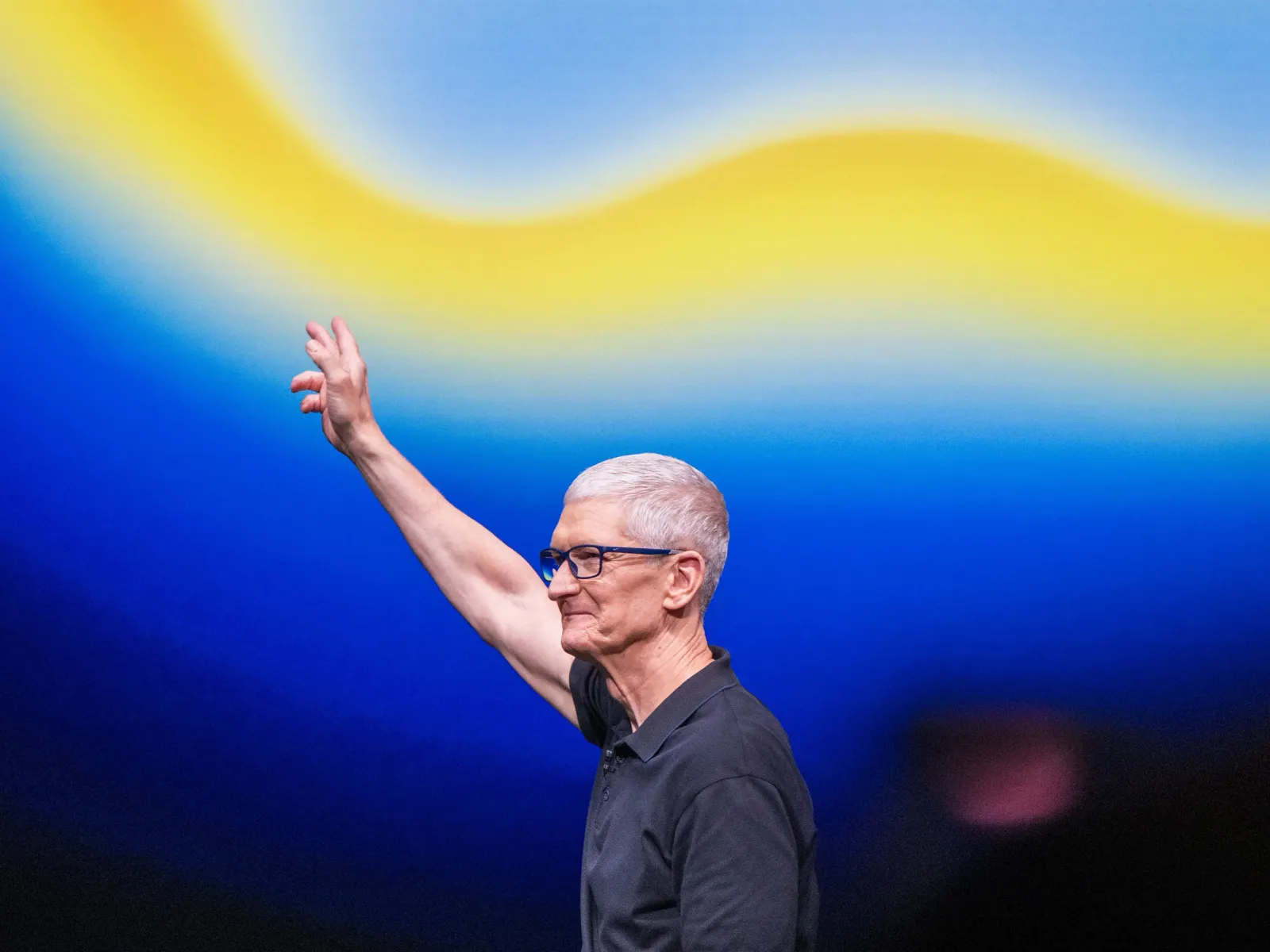
Tim Cook's 15-year Apple CEO run ends: 3 lessons for any successor
After 15 years, Tim Cook hands Apple to John Ternus - here's how he turned a $350B company into a $4.6T juggernaut.