
Hunza Valley’s touristic promise meets climate and development pressures in Gilgit-Baltistan
A remote region in northern Pakistan shows how fast progress can arrive, then get tested by warming and constraints.
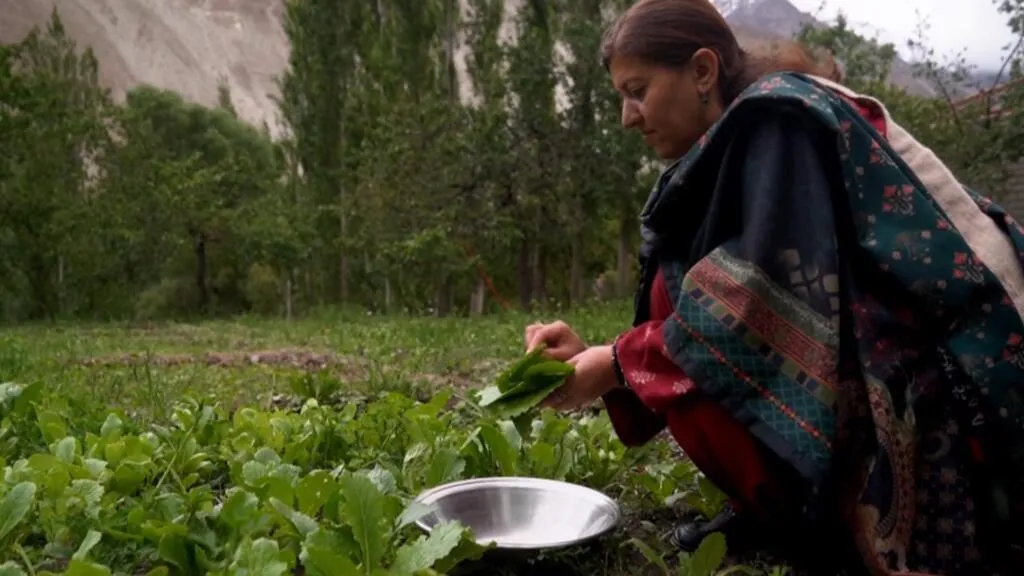
Gilgit-Baltistan's Hunza Valley has been reshaped in a few decades by expanded education, improved healthcare, and strong local development. The model is frequently linked to foundations associated with Aga Khan, and its consequences matter for anyone funding or governing regional development.
The Hunza Valley, in Pakistan's Gilgit-Baltistan, has undergone a dramatic transformation in just a few decades. This remote mountainous corner of northern Pakistan is increasingly framed as a tourist jewel, but its trajectory is now being tested by both development realities and climate change pressures, according to France 24.
The reason this story matters is simple: the same forces that helped Hunza change quickly are also the ones that can make a place fragile. France 24 describes expanded access to education, improved healthcare, and strong local development as the drivers of that change, with the progress often linked to foundations associated with Aga Khan, the spiritual leader of the Ismaili community. Meanwhile, the Ismaili minority in Pakistan counts nearly 500,000 members and makes up around 90% of Hunza's population, which means social and institutional support structures are not just background, they are central to how the valley evolves.
To understand why climate change is such a high-stakes variable here, remember what mountainous tourism depends on. Resorts and visitors want reliability, especially for weather windows, transport routes, and water access. Development can improve life in the short term by expanding services and local capacity, but it can also increase exposure, because more people, buildings, and economic activity concentrate in places that nature can disrupt. France 24's framing, that Hunza is “tested” by climate change, is a reminder that development outcomes are not locked in. They can be interrupted, reversed in part, or made more expensive to sustain as conditions shift.
There's also an institutional angle that executives and boards should care about. The article connects Hunza's model of progress to foundations associated with Aga Khan and situates the Ismaili community as a dominant share of the local population, around 90% in Hunza, with nearly 500,000 members across Pakistan. That combination suggests development is not only about infrastructure. It is about governance capacity, social networks, and the ability to coordinate education and healthcare improvements over time.
From a capital and strategy perspective, this is exactly where second-order effects show up. When development is delivered through networks tied to specific community leadership, the programs can be resilient in stable periods, because local legitimacy and participation can be high. But climate shocks and changing conditions can stress any system, especially if adaptation depends on continued funding, policy support, and long-term planning. For decision-makers, the lesson is that “progress” is not a one-time investment. It is an operating model that has to handle risk, including slow-moving risks like warming and fast-moving disruptions like extreme events.
Even without naming a specific regulator in the France 24 piece, the governance question is still real for anyone overseeing regional development programs: how do education and healthcare improvements survive when the economic base is partially dependent on tourism and environmental conditions? In many remote mountainous regions, tourism can generate income, but it can also create pressure on local resources, including water and land management. If climate change reduces the predictability tourism relies on, the valley's development gains may need rebalancing. That could mean shifting investment toward climate resilience, monitoring, and adaptation, not just expanding services.
There is also a broader implication for peer regions. Hunza's story is often presented as a model of progress, but France 24's headline direction makes the point that models can be tested. Gilgit-Baltistan is not a blank canvas where capital automatically translates to lasting benefits. It is a place where community composition, education and health delivery, and tourism incentives all collide with climate realities. For founders, investors, and operators, the stakes are the same everywhere: if you fund development, you are also funding resilience. If you build tourism narratives, you are also signing up for environmental volatility. The executive challenge is to treat sustainability as a requirement for continuity, not a marketing layer.
In the end, Hunza Valley's transformation is not just a feel-good regional case study. It's a live demonstration of how quickly societies can change, how tightly those changes can link to institutional support, and how climate change can turn “tested by reality” into the next line item on the board agenda.
This story's Key Insights and Take-aways are locked.
Create a free account to unlock Executive Actions for one credit.
Register to UnlockAlways free for Executives Club members. Join the Club
More in Politics

LA County: DOJ's 20,000 'noncitizen' voter list is 'unreliable,' includes U.S.-born
Preliminary review by Los Angeles County election officials finds errors in the federal list, raising the stakes for voter roll integrity ahead of November.

Trump's $1.5B Pentagon chip investment lands in North Carolina
A $1.5 billion defense infusion for North Carolina chipmaking signals a new era of Pentagon-backed reshoring - here's what it means for the industry.

Nigeria confirms first Ebola case in Abuja, a woman just off a Uganda flight
Health Minister Muhammad Ali Pate says the patient flew in from Uganda, putting Africa's latest outbreak on Nigeria's doorstep.