
India’s “Cockroach” satire-protest spreads beyond Delhi, as Gen Z fury hits youth jobs
A joke turned movement is scaling, powered by corruption rage and stubborn youth unemployment. Here’s why it matters.
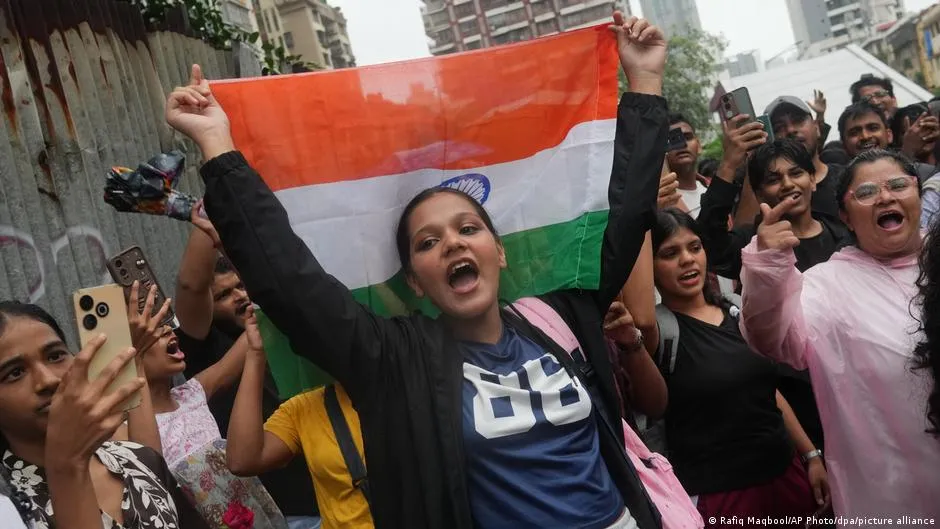
India’s “Cockroach” protest movement, which began as satire on social media, has grown into a massive Gen Z-led protest driven by anger over corruption and high youth unemployment. The shift from Delhi-only signals to broader traction forces leaders to re-think how fast online dissent can become real-world disruption.
India’s “Cockroach” protest movement started as satire on social media. Then it stopped being funny. It has since grown into a massive, Gen Z-led protest driven by anger over corruption and high youth unemployment. And crucially for anyone running a business, a public institution, or an investment portfolio, the movement is showing signs of finding traction outside of Delhi.
That “outside of Delhi” part is the operational alarm bell. Delhi has long been a magnet for national attention, policy attention, and media coverage, so you can sometimes dismiss protests there as centrally concentrated. The source is clear that the “Cockroach” protests are not staying contained. When a youth-driven movement rooted in corruption anger and job scarcity begins to spread geographically, it often changes the risk profile from a local political story into a broader social and economic one.
The mechanics behind this kind of escalation are familiar, even if the specific “cockroach” framing is not. Social media satire is low-cost to create and easy to share, which means it can recruit quickly, especially among Gen Z users who are fluent in memes and fast enough to treat politics as something you can react to in real time. But satire turning into protest usually happens when underlying grievances are already intense. In this case, the grievance stack is explicit in the source: corruption and high youth unemployment.
Corruption anger matters for executives because it erodes trust in institutions. When people believe rules are rigged, patience with slow reforms collapses. And when the frustration is tied to unemployment, the stakes become personal and immediate, not abstract. Youth unemployment is not just a labor market statistic. It is a daily experience of stalled entry into stable jobs, postponed adulthood milestones, and a widening sense that effort does not translate into opportunity.
So what does it mean that “Cockroach” started as satire and then became a massive movement? It suggests mobilization is happening through culture first and then organizing through shared identity and message resonance. In practical terms, businesses and boards should think less in terms of “will protests stay peaceful” and more in terms of “how quickly can narrative-driven unrest translate into disruptions.” Even if the source does not detail tactics, the fact pattern it provides is enough to signal a fast-moving, youth-led escalation.
There is also a regulatory and governance layer. India has, for years, grappled with how to manage protest activity and public order while respecting free expression. When protests originate online and move into the physical world, regulators face pressure on multiple fronts: messaging, policing, and platform governance all collide. That tends to create secondary effects for decision-makers, because enforcement choices can have knock-on impacts across industries, especially those that rely on stable operations, predictable supply chains, and consistent consumer behavior.
Now add the geography clue. The source says there are signs the movement is finding traction outside of Delhi. In a country as large and diverse as India, that is not a trivial detail. It can mean more local actors get pulled in, local media coverage accelerates, and authorities outside the capital may respond differently based on local political dynamics and capacity. For companies, this can translate into uneven risk across states rather than a single, predictable hotspot.
Finally, there is a broader second-order implication that matters to investors and executives: movements built on corruption concerns and youth unemployment can become political barometers. If the public connects unemployment to governance failures, the pressure for policy shifts rises. Even if the protests remain primarily social and political in the near term, the underlying themes can push changes in labor market expectations, enforcement priorities, and how regulators engage with institutions perceived as slow to deliver opportunity.
For peers in similar roles, the strategic takeaway is simple but uncomfortable. A protest movement that begins as satire can scale faster than traditional stakeholders expect. And when it is powered by youth unemployment and corruption anger, it targets trust and legitimacy, not just specific policies. The more it extends beyond Delhi, the more it becomes a nationwide governance stress test, with real implications for stability, sentiment, and the operating environment.
This story's Key Insights and Take-aways are locked.
Create a free account to unlock Executive Actions for one credit.
Register to UnlockAlways free for Executives Club members. Join the Club
More in Politics

LA County: DOJ's 20,000 'noncitizen' voter list is 'unreliable,' includes U.S.-born
Preliminary review by Los Angeles County election officials finds errors in the federal list, raising the stakes for voter roll integrity ahead of November.

Trump's $1.5B Pentagon chip investment lands in North Carolina
A $1.5 billion defense infusion for North Carolina chipmaking signals a new era of Pentagon-backed reshoring - here's what it means for the industry.

Nigeria confirms first Ebola case in Abuja, a woman just off a Uganda flight
Health Minister Muhammad Ali Pate says the patient flew in from Uganda, putting Africa's latest outbreak on Nigeria's doorstep.