
Investors descend on Shenzhen as AI, robotics lure global banks
Three global banks host conferences in the Chinese tech hub, signaling a shift in capital flows toward the country's advanced manufacturing and AI sectors.
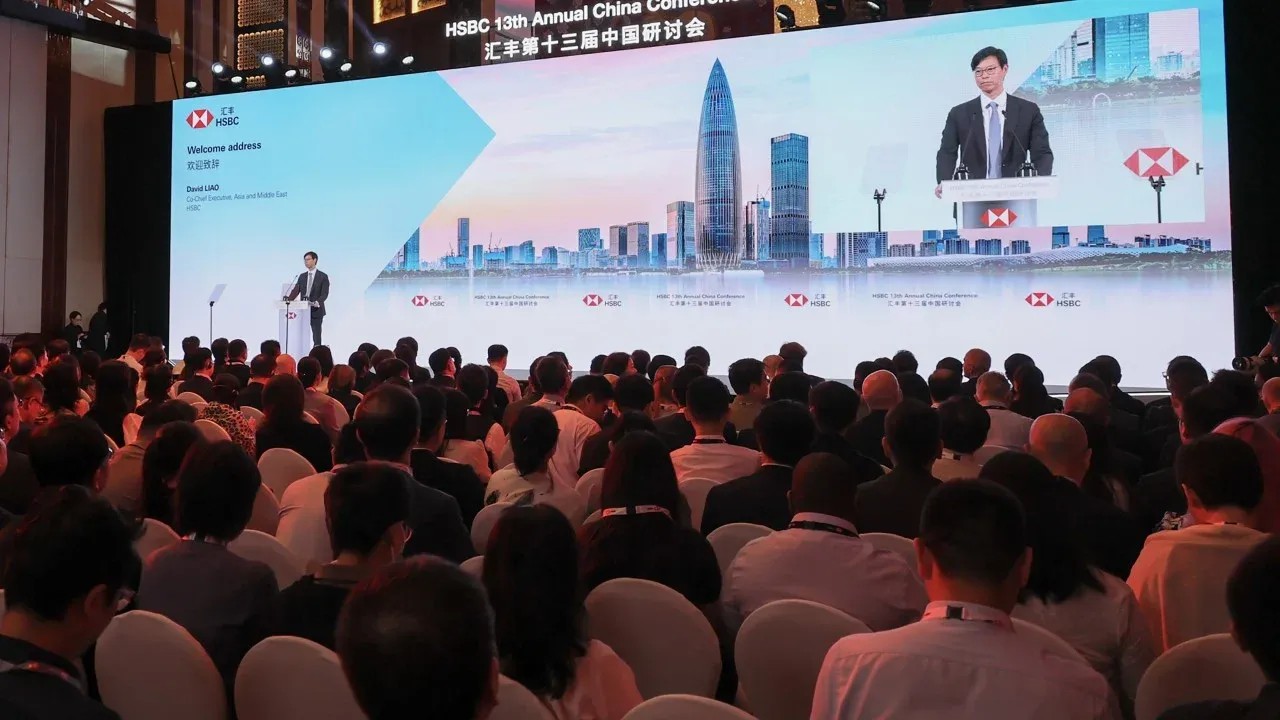
Shenzhen, home to Huawei and DJI, is drawing a wave of global investors as HSBC, UBS, and Nomura host conferences there on Tuesday. The influx signals growing international appetite for Chinese AI and robotics despite US sanctions on key firms.
On Tuesday, Shenzhen became the epicenter of global tech investment as HSBC, UBS, and Nomura each hosted investor conferences in the city, with artificial intelligence, robotics, and other emerging technologies dominating the agendas. The simultaneous presence of three major international banks underscores a broader shift: despite geopolitical tensions and US sanctions on some of China's most prominent tech firms, global capital is increasingly looking to Shenzhen as a gateway to the country's next wave of innovation.
Shenzhen is not just any Chinese city. It is the headquarters of Huawei Technologies, the telecom giant that has been at the center of US export controls, and DJI, the world's leading drone maker. Over the past four decades, Shenzhen has transformed from a small fishing village into a sprawling metropolis of more than 17 million people, earning the nickname "China's Silicon Valley." Its ecosystem spans hardware prototyping, electronics manufacturing, and now cutting-edge AI and robotics startups, making it a natural magnet for investors seeking exposure to China's technological ambitions.
The conferences come at a time when global interest in Chinese AI has surged, fueled by breakthroughs in large language models, autonomous systems, and industrial automation. While much of the world's attention has focused on Beijing's tech giants, Shenzhen's strength lies in its deep integration of software and hardware. Companies here are not just writing algorithms; they are building the physical robots, sensors, and edge-computing devices that will deploy AI in factories, warehouses, and cities. This vertical integration is a key reason why international investors are willing to look past political headwinds.
The role of HSBC, UBS, and Nomura is significant. These are not fringe players; they are among the world's largest and most influential financial institutions. Their decision to hold conferences in Shenzhen signals a calculated bet that the city's tech ecosystem will continue to grow and offer lucrative returns. For these banks, it is also a way to deepen relationships with Chinese corporates and startups, positioning themselves as the preferred partners for cross-border deals, IPOs, and capital raising. The fact that all three chose the same day highlights the intensity of the competition to capture this deal flow.
Yet the investment landscape is not without risks. US sanctions on Huawei and other Chinese firms have created a complex regulatory environment, and investors must navigate export controls, data security rules, and the possibility of further restrictions. Additionally, China's own regulatory crackdowns on sectors like tech education and gaming have shown that policy shifts can upend even the most promising markets. Still, the sheer scale of China's AI and robotics investment, coupled with government support for self-reliance in critical technologies, suggests that the long-term opportunity may outweigh the near-term uncertainties.
For global investors, the message is clear: Shenzhen is no longer just a manufacturing hub; it is a launchpad for the next generation of intelligent machines. The banks' conferences are likely to spark a wave of due diligence trips, partnership discussions, and capital commitments. As Western funds increasingly seek diversification away from traditional tech hubs, Shenzhen offers a unique blend of innovation, scale, and cost efficiency that is hard to replicate elsewhere.
Looking ahead, the impact of this investor influx could be profound. It may accelerate the commercialization of Chinese robotics and AI, pushing local companies to expand globally. It could also prompt other international banks to follow suit, further integrating Shenzhen into the global financial system. For executives and decision-makers, the takeaway is that Shenzhen is becoming a critical node in the world's technology supply chain, and those who ignore it risk missing out on the next wave of industrial transformation.
This story's Key Insights and Take-aways are locked.
Create a free account to unlock Executive Actions for one credit.
Register to UnlockAlways free for Executives Club members. Join the Club
More in Business
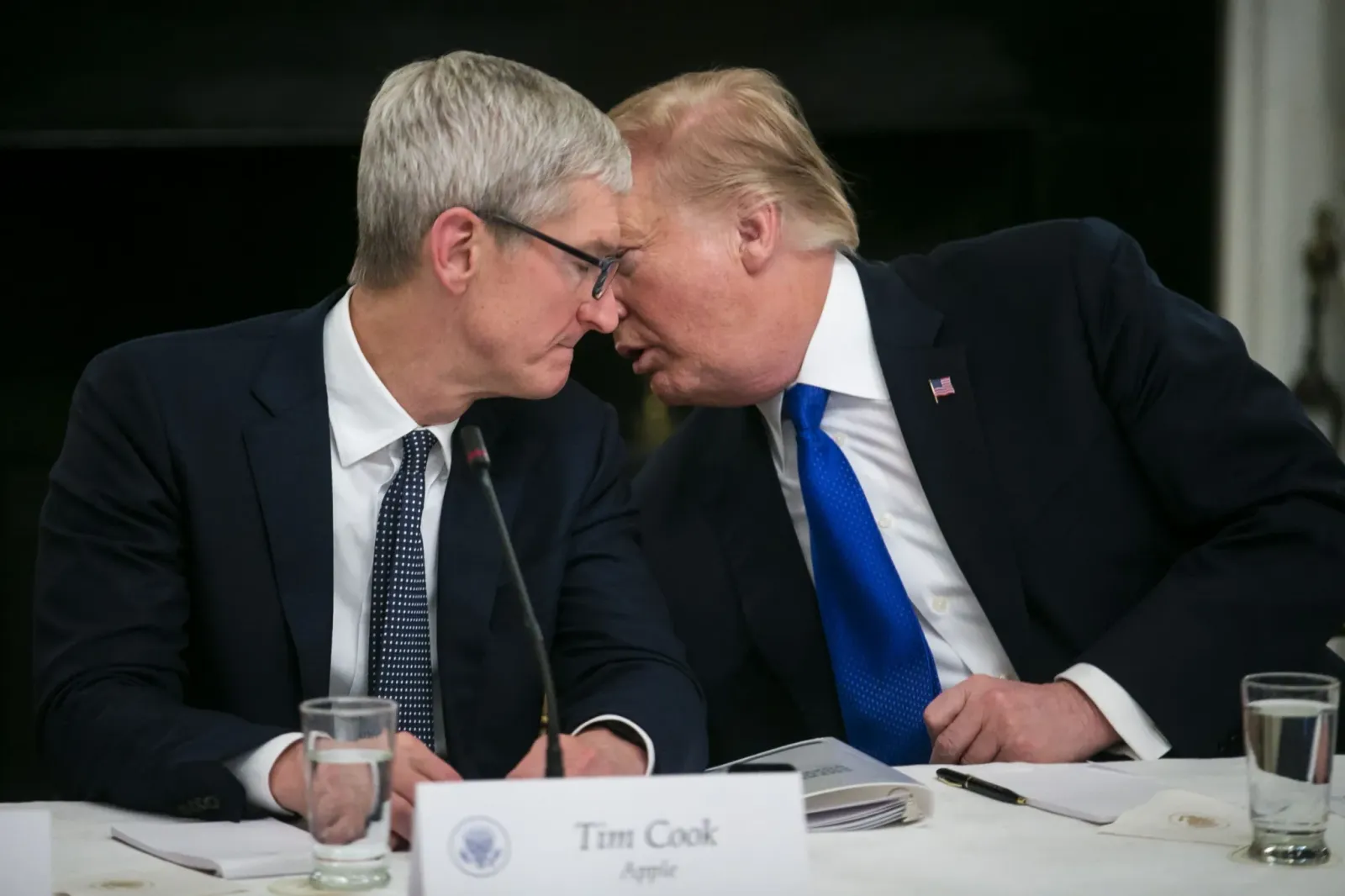
Tim Cook steps down as Apple CEO, stays on as chair with $45M equity
The 'Trump whisperer' keeps his White House and Beijing access as Apple navigates tariffs and a $4.6 trillion market cap.
Snowflake shares surge as AI data demand crushes estimates, lifting full-year forecast
Stocks jumped on stronger-than-expected guidance, signaling enterprise AI workloads are accelerating faster than Wall Street priced in.
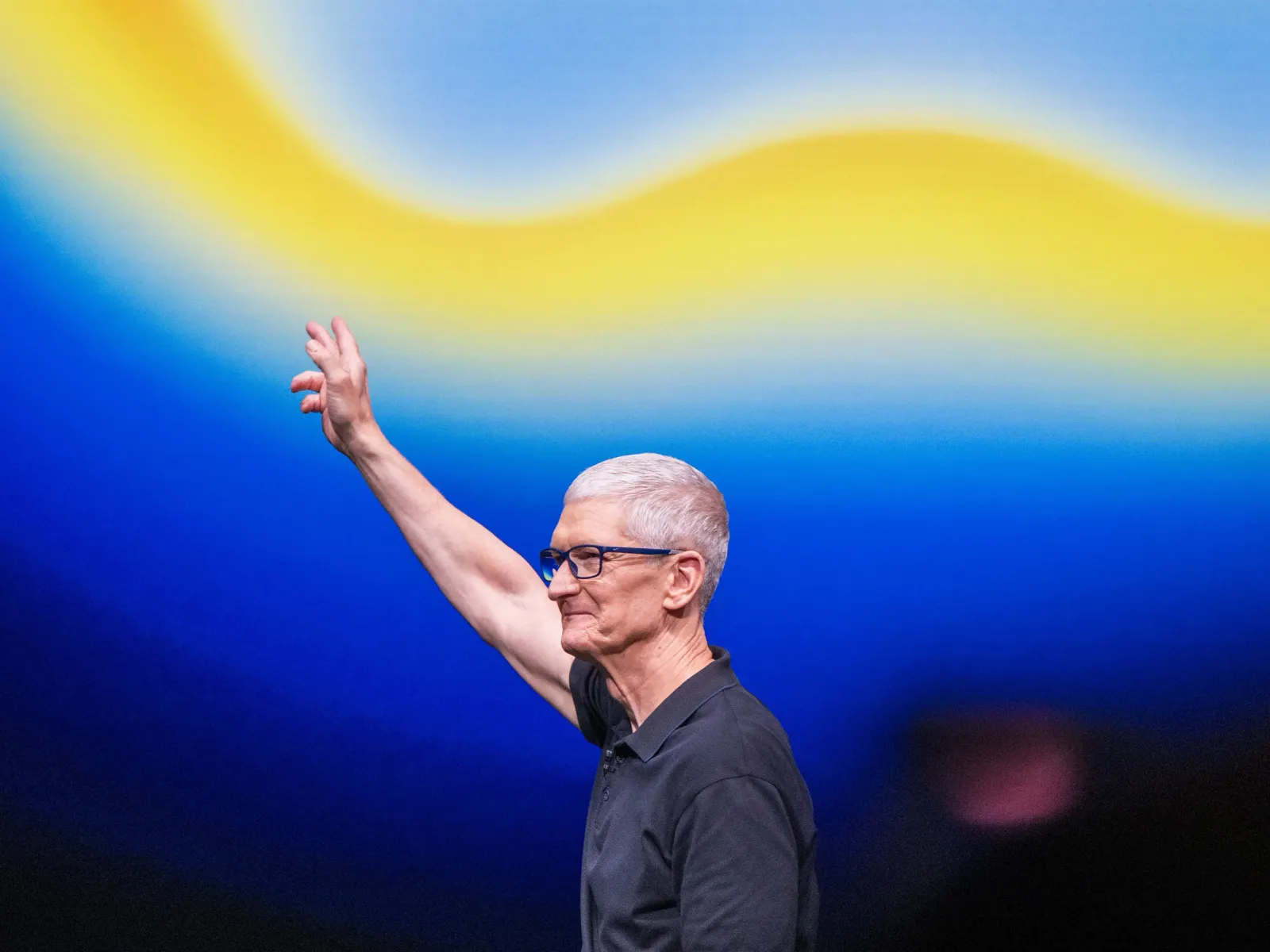
Tim Cook's 15-year Apple CEO run ends: 3 lessons for any successor
After 15 years, Tim Cook hands Apple to John Ternus - here's how he turned a $350B company into a $4.6T juggernaut.