

iOS 27’s real upgrades won’t steal headlines, but they quietly shift daily workflows
TechCrunch breaks down the iOS 27 features that matter, even if they are not “Siri AI” flash.
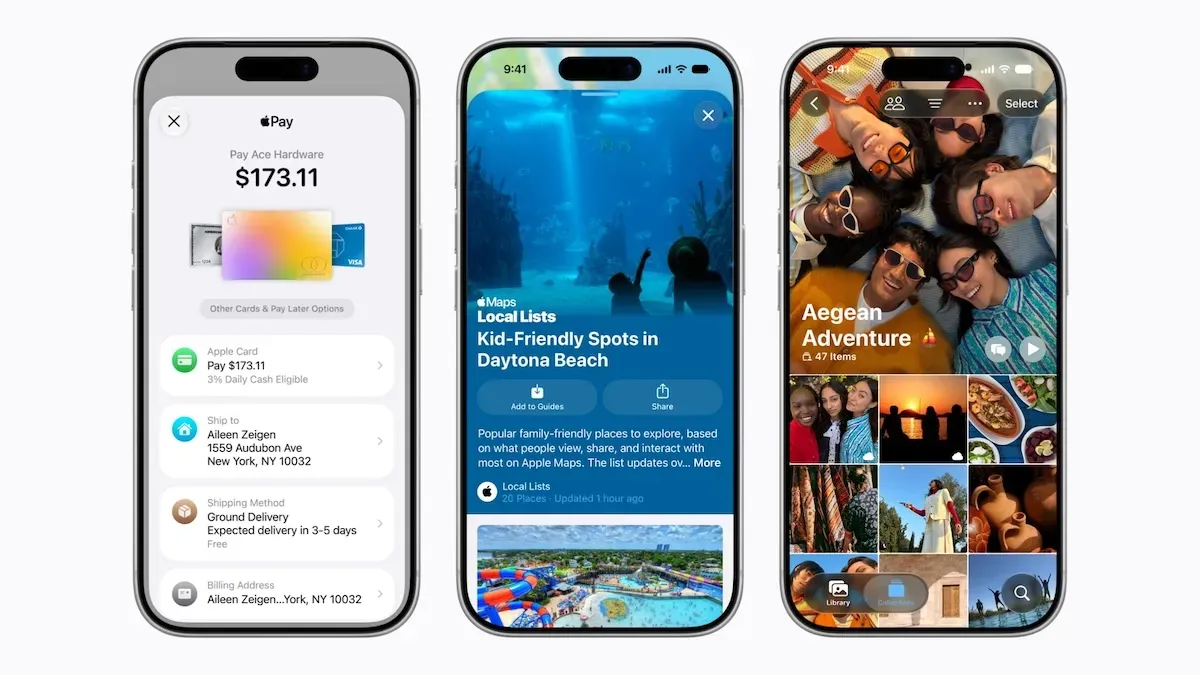
TechCrunch highlights that iOS 27 adds multiple features that are worth knowing about, even though they are not as flashy as Apple’s new Siri AI and Apple Intelligence upgrades. For decision-makers, the implication is simple: the roadmap’s boring parts often drive adoption and ongoing user behavior more than the most public demo moments.
If you expected iOS 27 to be all splash screens and headline-grabbing AI upgrades, TechCrunch is basically telling you to slow down. The publication notes that, while Apple’s “Siri AI” and Apple Intelligence upgrades may get the spotlight, there are still a number of additions in iOS 27 that are worth looking at. Translation: the features that matter may not look as exciting in a product keynote, but they can still change what people do every day on their iPhones.
That matters more than it sounds. In mobile, adoption is not just about novelty, it is about friction. When new operating system features actually improve daily flows, they reduce reasons for users to delay updates, switch platforms, or ignore the OS entirely. And in Apple’s world, “not flashy” features can still be the ones that quietly influence engagement metrics, retention, and how users experience Apple’s ecosystem as a whole.
Here is the underlying dynamic TechCrunch is pointing at, even though it stays high level in the excerpt you provided. Apple’s most marketable capabilities tend to cluster around AI, and those are naturally easier to describe in one breath: new Siri capabilities, Apple Intelligence improvements, and the kind of storyline that can travel far beyond tech circles. But operating systems are built from many smaller pieces too, and those pieces have a different power. They show up in the background of how apps behave, how notifications arrive, how system settings are navigated, and how users get from “I want to do X” to “X is done.”
From a decision-maker perspective, the temptation is to over-index on the features that look best in press coverage. That is where strategy can get expensive. The business impact of an OS update often comes from second-order effects: increased update rates, smoother in-session user journeys, fewer workarounds, and more consistent user expectations that developers and partners then have to follow. Even if TechCrunch frames these iOS 27 additions as not flashy, the real question for operators and board members is whether these changes are the kinds that reduce cognitive load for users and raise the baseline quality of the platform.
There is also an incentives angle. When Apple pushes “Siri AI” and “Apple Intelligence” upgrades, it can reinforce its position as the interface to devices and services. But even the most advanced AI features still rely on boring foundations: permissions, system integration, performance, and user controls. The operating system is the layer where those controls live, and that layer is where changes can either accelerate adoption or create friction that makes users cautious. If iOS 27 includes practical feature additions that improve daily workflows, those can increase trust in the update itself, which then makes users more likely to stick with Apple’s broader strategy.
For executives watching the competitive landscape, the iOS 27 split between public flash and practical additions is a familiar pattern. Tech ecosystems do not move only because of one breakthrough capability. They move because the platform becomes incrementally easier to use, developers can rely on consistent APIs and behaviors, and user expectations shift toward the “new normal.” This is why “worth knowing about” features often matter: they are the ones that can compound. A small quality-of-life update can become a habit. A habit becomes behavior. Behavior becomes measurable outcomes.
And for boards and investors, that is where the stakes land. If the most visible Apple updates are centered on AI, but the real day-to-day improvements are spread across other additions, then the roadmap’s total value is not captured by headline narratives alone. It shows up in the grind: how often people use the OS features after upgrading, how quickly they adopt, and how much of their time is spent within the Apple-controlled parts of the experience. That can influence everything from ecosystem retention to partner economics, even if the changes do not come with the same fanfare.
So while TechCrunch’s framing is that iOS 27’s worth-noting features are “not flashy” compared to Siri AI and Apple Intelligence, the subtext is still clear: operational improvements can drive real user outcomes. The question executives should ask is not “Is this the most exciting feature?” It is “Which iOS 27 additions reduce friction and make the update feel necessary, not optional?” If iOS 27 nails that, the quiet features will do the loud work.
This story's Key Insights and Take-aways are locked.
Create a free account to unlock Executive Actions for one credit.
Register to UnlockAlways free for Executives Club members. Join the Club
More in Technology

Nvidia's $89B data center quarter: the 9 companies cashing in
The AI buildout is minting fortunes beyond GPUs, and memory, cloud, and cooling suppliers are riding the same wave.

Google quietly links your phone number to every Android account on your SIM
Adding a SIM now ties your phone number to all Google accounts - and future accounts inherit it. Here's the security and privacy stakes.

Hijacker AI 'Skynet mode' runs 100,000 attack steps against exposed models
Symantec caught a criminal AI agent that borrows other models, steals data, and mines crypto; the only relief is no confirmed victims yet.