
iPadOS 27 promises apps up to 30% faster, plus Siri AI in Spotlight
Apple’s iPadOS 27 pushes performance and a new Siri entry point, tying upgrades to iOS 27 and macOS Golden Gate 27.
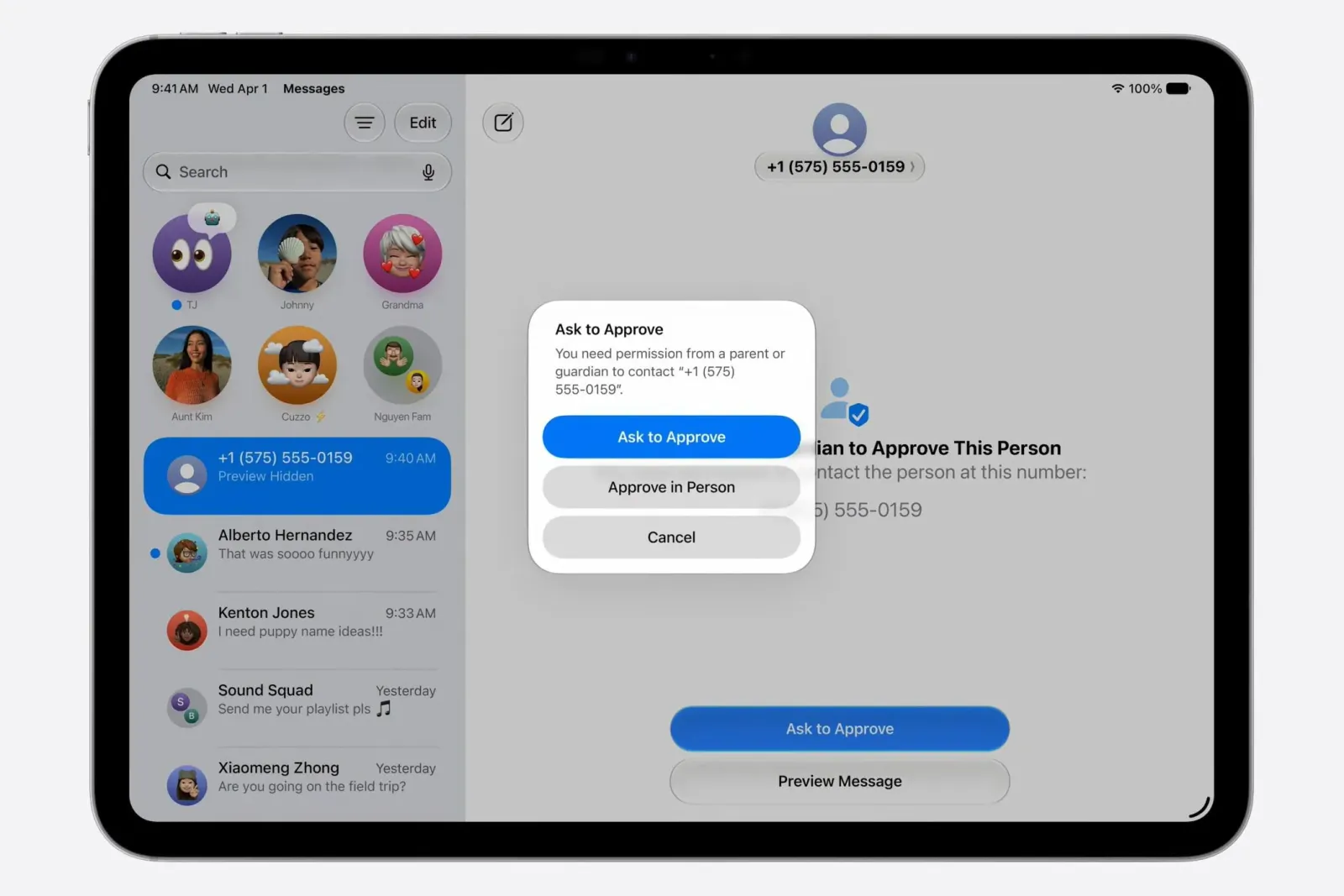
At WWDC, Apple announced iPadOS 27 with performance optimizations including apps launching up to 30 percent faster and smoother switching between multiple apps. The centerpiece is Siri AI, accessible through iPadOS Spotlight, with behavior that adapts whether you are prompting Siri or simply searching.
Apple used WWDC to send a very specific message to iPad users and the people who manage iPad fleets: iPadOS 27 is focused on speed you can feel, not just features you can admire. The headline item is performance, with Apple saying apps will launch up to 30 percent faster by intelligently preloading needed info. It also targets day-to-day multitasking, promising more responsive switching between multiple apps.
That performance push is paired with a workflow shift that matters just as much as raw speed: iPadOS 27’s biggest updates arrive through the new Siri AI. Apple is putting Siri behind a familiar interface, Spotlight search. According to Apple, iPadOS Spotlight will automatically know when you are prompting the assistant versus when you are just searching for apps and documents. In other words, the system is being designed to stop treating “search” and “asking” like separate worlds.
Zoom out for a second, because this is not just one iPad announcement. The Verge notes that, as with the other new versions of Apple operating systems launching this year, including iOS 27 and macOS Golden Gate 27, the biggest iPadOS 27 updates are meant to land through Siri AI. This matters for decision-makers because Apple is building a shared experience across its stack. When one system changes how assistants integrate with search, it can influence expectations everywhere else, including enterprise workflows, developer tooling, and how teams measure productivity gains.
From a product and operations perspective, “up to 30 percent faster” is the kind of number executives like because it is both concrete and user-relevant. Faster app launches reduce friction. Less friction reduces the time users spend waiting, and it also changes usage patterns. Even if the “up to” ceiling is not what every user sees, the optimization described is systematic: intelligently preloading needed information, rather than waiting for an app to be fully spun up after you tap.
And the multitasking piece is a practical complement. iPad users live in switching. They bounce between work apps, notes, documents, dashboards, and browser tabs. The promise of “more responsive switching between multiple apps” indicates Apple is thinking about the latency you feel between actions, not just the initial load. For operators managing productivity devices, that difference is real. If switching gets smoother, users may be less likely to close apps and restart them, which in turn can reduce inconsistent performance across long sessions.
Now comes the AI integration, which is where things get operational. Siri AI being accessible through Spotlight is more than a UI tweak. It suggests Apple is trying to reduce the cognitive overhead of knowing which interface to use. If Spotlight can tell whether you are prompting Siri or simply searching for content, users can stay in one mental lane. For teams that care about standardization, that also reduces training burden. People do not have to remember different pathways for different intentions. They just search or ask, and iPadOS handles the interpretation.
There is also an architectural implication behind “automatically know.” The system has to contextualize the prompt, detect intent, and route the request appropriately. That is important because modern devices increasingly sit inside policy-controlled environments. In regulated or heavily managed deployments, how an OS routes requests and integrates assistant features can affect what gets logged, what gets processed, and how administrators evaluate compliance. The source does not provide those details, so the safe takeaway is narrower: Apple is explicitly integrating Siri AI into an always-on, user-facing entry point rather than forcing a separate assistant workflow.
Second-order effect: if Spotlight becomes the front door for Siri AI, then Spotlight search behavior becomes a strategic lever for Apple. It influences discoverability. It shapes the default interaction model. And because iOS 27 and macOS Golden Gate 27 are part of the same “new versions launching this year” set mentioned by The Verge, the behavior could become consistent across devices. That matters for anyone building on Apple platforms, especially developers who depend on search, indexing, and assistant handoffs to drive user outcomes.
So what is the real stake for executives and boards? It is the risk of being out of sync with user expectations. If iPadOS 27 delivers tangible speed improvements and makes Siri AI easier to reach through Spotlight, competitors will feel pressure to match responsiveness and unify assistant access. Meanwhile, companies that standardize on Apple devices will face a recurring decision point: whether to update promptly to capture performance gains and new AI workflows, or to delay while validating how the assistant and search integration behave in their specific environments. Either way, iPadOS 27 signals where Apple wants the iPad experience to go: faster launches, smoother multitasking, and an assistant that blends into the search moment you already do every day.
This story's Key Insights and Take-aways are locked.
Create a free account to unlock Executive Actions for one credit.
Register to UnlockAlways free for Executives Club members. Join the Club
More in Business

Anthropic’s Levant Alpöge cracks the Jacobian conjecture after 87 years
A Harvard valedictorian used Claude to hit a 1939 breakthrough, but the missing “why” is the real problem.

Uber buys Delivery Hero for nearly $15B, vaulting to top food delivery outside China
The deal doubles Uber's dual-services footprint and pushes a ride-and-eats bundling play into 50 more markets.

Epic and Google drop settlement bid, forcing rival Android app stores by July 22
Google told the court it is ready to carry third-party app stores starting Wednesday, July 22.