
Iran Arrests 11 Foreigners in Fuel Smuggling Crackdown
The arrests highlight Tehran's battle against a smuggling trade that exploits subsidized fuel and drains the economy.
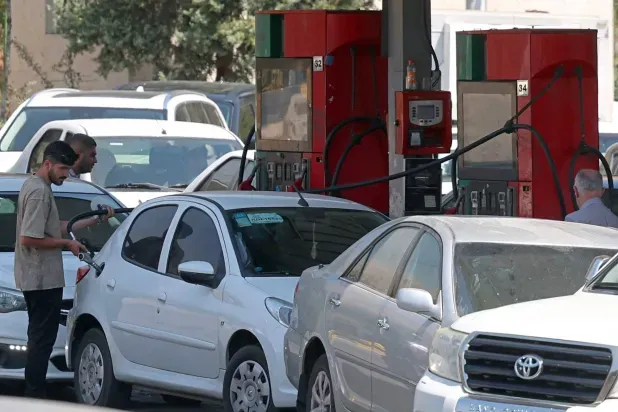
Iranian authorities have arrested 11 foreigners suspected of fuel smuggling, according to a report from Asharq Al-Awsat. The move underscores the Islamic Republic's ongoing struggle to curb a lucrative black market that thrives on its heavily subsidized fuel prices.
Iranian authorities have arrested 11 foreigners on suspicion of fuel smuggling, according to a report from Asharq Al-Awsat. The arrests, which have not been detailed by Iranian officials, highlight a persistent challenge for Tehran: a smuggling trade that exploits the gap between Iran's subsidized fuel prices and those in neighboring markets.
Fuel smuggling is a long-standing issue in Iran, where gasoline is sold at a fraction of its international price. Smugglers often transport fuel across borders to countries like Pakistan, Afghanistan, and Iraq, where prices are significantly higher. The practice drains Iran's economy and exacerbates domestic fuel shortages, particularly in border regions.
The economic impact is substantial. Iran spends billions of dollars annually on fuel subsidies, and smuggling undermines these efforts by diverting cheap fuel out of the country. While exact figures are hard to pin down, analysts have long estimated that fuel smuggling costs Iran billions of dollars in lost revenue each year. The arrest of foreign nationals suggests that smuggling networks may have international links, complicating Tehran's enforcement efforts.
The arrests also come amid broader economic pressures. Iran's fuel sector is heavily affected by international sanctions, which restrict its ability to export oil and import refined products. This makes domestic fuel management even more critical. The government has periodically adjusted fuel prices to curb consumption and reduce smuggling, but such moves have sparked public protests, as seen in 2019 when a price hike led to nationwide demonstrations.
For Tehran, cracking down on smuggling is not just an economic imperative but also a matter of border security. The involvement of foreign nationals in these networks could strain relations with neighboring countries, though it may also prompt greater cooperation on cross-border crime. Without detailed information on the nationalities or the circumstances of the arrests, it is difficult to assess the full scope of the operation.
For executives and investors monitoring the region, this development is a reminder of Iran's ongoing economic vulnerabilities. Fuel smuggling is a symptom of deeper structural issues, including subsidy reform, inflation, and the impact of sanctions. Companies operating in or near Iran should watch how these enforcement actions affect regional fuel markets and border dynamics.
While the arrests are a small step in addressing a massive problem, they underscore the challenges Tehran faces in managing its energy resources. The international community, particularly neighboring countries, will be watching to see if Iran can effectively curb smuggling without triggering domestic unrest. For now, the 11 foreigners remain in custody, and the details of their alleged involvement are still emerging.
This story's Key Insights and Take-aways are locked.
Create a free account to unlock Executive Actions for one credit.
Register to UnlockAlways free for Executives Club members. Join the Club
More in Business
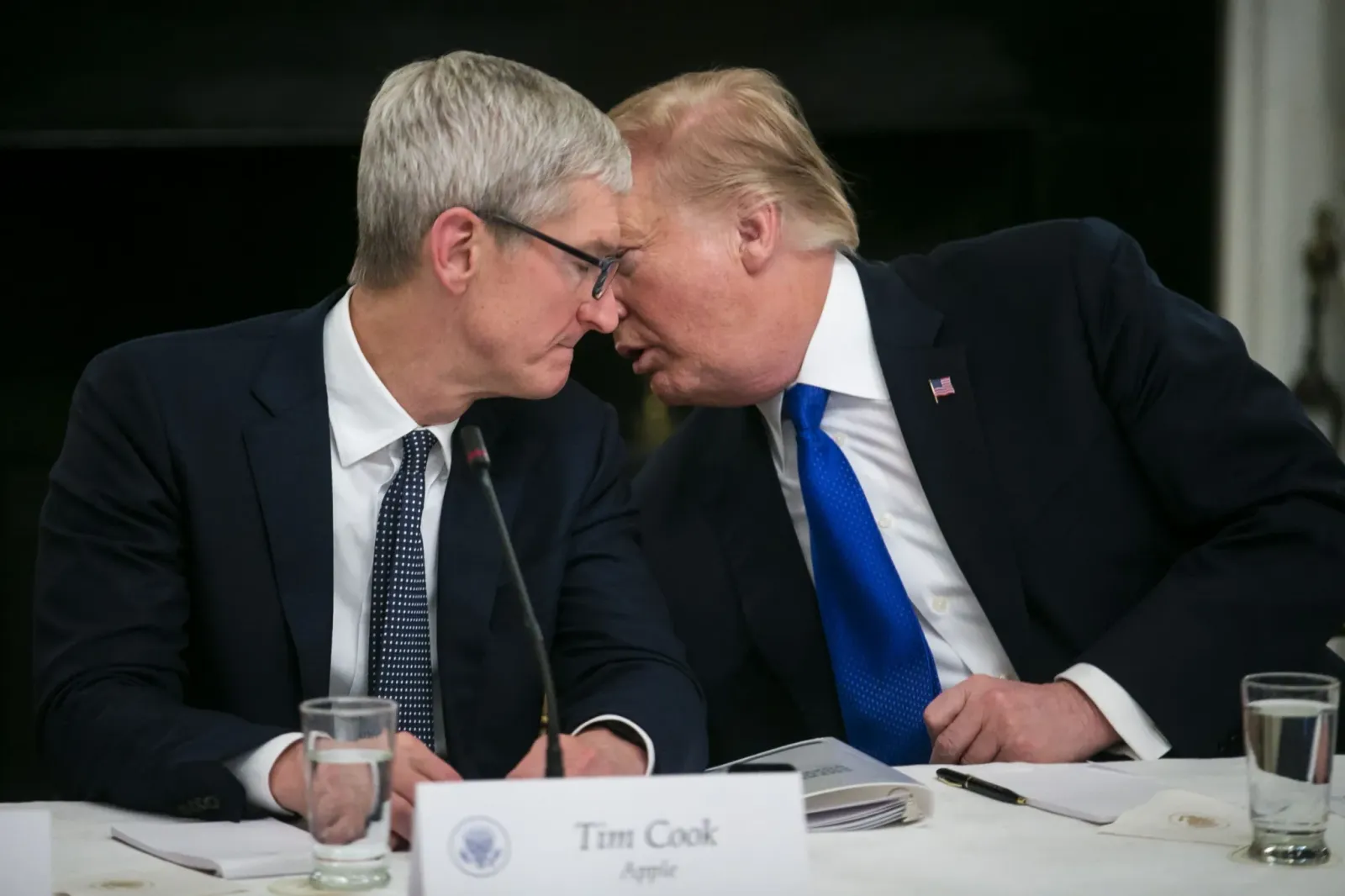
Tim Cook steps down as Apple CEO, stays on as chair with $45M equity
The 'Trump whisperer' keeps his White House and Beijing access as Apple navigates tariffs and a $4.6 trillion market cap.

Snowflake shares surge as AI data demand crushes estimates, lifting full-year forecast
Stocks jumped on stronger-than-expected guidance, signaling enterprise AI workloads are accelerating faster than Wall Street priced in.

Tim Cook's 15-year Apple CEO run ends: 3 lessons for any successor
After 15 years, Tim Cook hands Apple to John Ternus - here's how he turned a $350B company into a $4.6T juggernaut.