
Iran Guards claim strikes on US radar, air defenses in Bahrain and Kuwait
A new round of claims raises pressure on regional security, US posture, and shipping and energy risk assumptions.

Iran's Revolutionary Guards said they struck US military targets, including air defence systems and a radar installation in Bahrain and Kuwait, IRNA reported. The claims come after the US said it struck Iranian military command centres overnight.
Iran's Revolutionary Guards said on Tuesday they hit US military targets including air defence systems and a radar installation in Bahrain and Kuwait, state news agency IRNA reported. This is not just political theater. In the short term, these claims are designed to signal capability and reach, and in the longer term they shape how governments and companies model escalation risk across a strategically sensitive region.
The timing matters. The statement lands after the US earlier said it struck Iranian military command centres overnight. So you effectively have a back-and-forth cycle: one side claims operational hits, the other side highlights preemptive or retaliatory action. Even if the operational details are contested or unclear from public reporting, the strategic message is coherent: both sides want to deter further action by demonstrating they can strike assets tied to air defence and sensing.
For executives, the immediate question is not who is more accurate in the fog of conflict. The immediate question is what the next 24 to 72 hours of uncertainty does to risk pricing and operations. Bahrain and Kuwait are not random locations in this story. Bahrain is home to major US presence, and Kuwait sits on the edge of key energy routes and regional logistics. When radar and air defence systems are referenced in claims like these, it can feed concern that air and missile risk could disrupt commercial movement, affect insurance and security costs, and tighten planning windows for supply chains that cannot simply pause.
There is also a governance angle that matters behind the scenes. In tense regional situations, boards and senior leadership teams often face fast-moving decisions that blend security, legal, and capital allocation. They need to know which customers, counterparties, and assets are exposed, and whether any sanctions or export-control compliance requirements could tighten. While this specific report does not mention sanctions or regulatory actions, the pattern is familiar in markets: when conflict risk rises, compliance scrutiny often rises with it. That can mean more conservative payment terms, additional diligence on logistics providers, and heightened review of any dealings that could be seen as supporting restricted military end uses.
On the military-communications side, claims about radar installations and air defence systems are about more than hardware. Radar systems are part of the sensing and targeting chain, and air defence systems are part of the defensive and interception chain. Referencing both suggests the Revolutionary Guards are framing their actions as affecting both detection and the ability to respond. That framing matters because it influences how external observers interpret deterrence credibility. If one side believes its sensing advantage is being challenged, the incentive to change operational posture increases. If the other side believes defenses are being degraded, it may calculate that follow-on action is more feasible.
Meanwhile, the US statement about striking Iranian military command centres overnight sets a different emphasis: leadership and coordination nodes. Command centres are the operational brain. In escalation cycles, actions against command and control are often interpreted as attempts to degrade decision-making tempo, communications, or coordination. Even without getting into the details, executives should read the pattern: one side focuses on air and sensing assets; the other side focuses on command and control. When both narratives are public, each side is effectively telling its audience, allies, and adversaries that it is prepared to sustain pressure.
Second-order effects show up in unexpected places. Energy and shipping are obvious, but procurement and workforce logistics can be just as sensitive. Companies with regional offices may face travel restrictions, increased security monitoring, and changes in third-party service availability. Financially, risk models tied to geopolitical stress can move quickly even before physical impacts are confirmed, because markets price uncertainty. That can affect liquidity planning, hedging costs, and how investors evaluate regional exposure.
For peers in leadership roles, the takeaway is operational discipline under incomplete information. When a state news agency like IRNA publishes military strike claims, and when the US simultaneously describes overnight strikes, decision-makers should treat the situation as a live risk scenario rather than a single-day headline. Build a fast internal fact check, map exposures in Bahrain and Kuwait linked to movement, energy, logistics, and any regulated trade flows, and then decide what you need to control now versus later. In moments like this, the strategic stake is not only whether incidents happen. It is whether your organization can keep functioning while the world around it tries to recalibrate deterrence, signaling, and escalation.
This story's Key Insights and Take-aways are locked.
Create a free account to unlock Executive Actions for one credit.
Register to UnlockAlways free for Executives Club members. Join the Club
More in Politics

LA County: DOJ's 20,000 'noncitizen' voter list is 'unreliable,' includes U.S.-born
Preliminary review by Los Angeles County election officials finds errors in the federal list, raising the stakes for voter roll integrity ahead of November.

Trump's $1.5B Pentagon chip investment lands in North Carolina
A $1.5 billion defense infusion for North Carolina chipmaking signals a new era of Pentagon-backed reshoring - here's what it means for the industry.
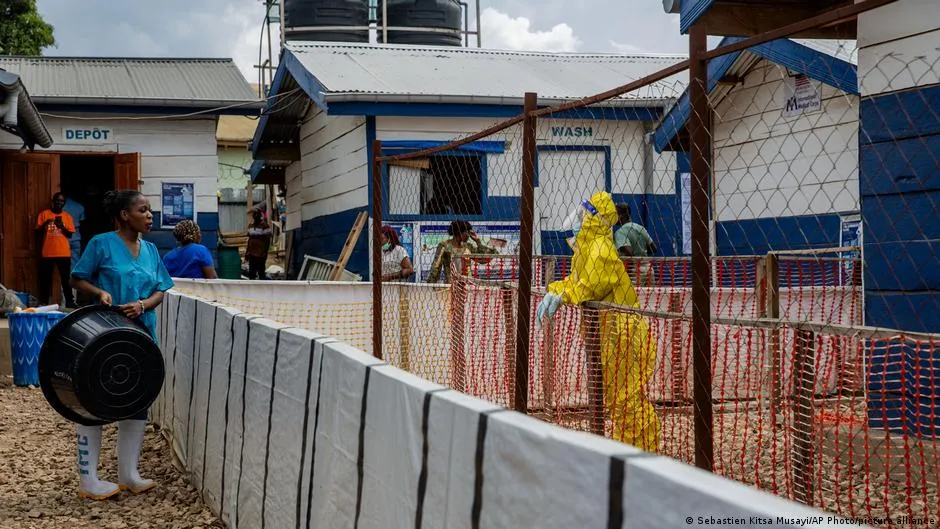
Nigeria confirms first Ebola case in Abuja, a woman just off a Uganda flight
Health Minister Muhammad Ali Pate says the patient flew in from Uganda, putting Africa's latest outbreak on Nigeria's doorstep.