

Iran-linked hack shuts UK power plant, fixes not due until 2030
A four-day outage at a small gas plant exposes a decade-long gap in Britain's cyber defenses for distributed energy.
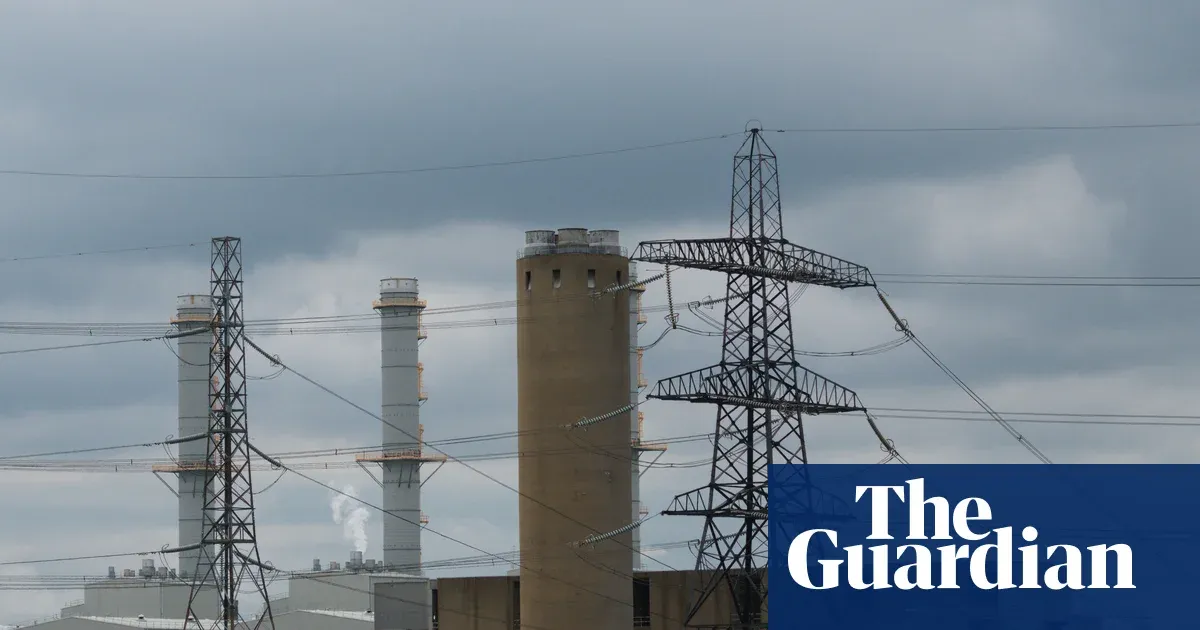
UK officials briefed energy bosses on an Iran-linked hack that shut an unnamed small gas power plant for four days in July, with resilience measures not due until 2030. The breach puts hundreds of Britain's smallest power plants at elevated state-sponsored cyber risk for years, forcing operators to self-fund interim defenses.
The July hack that knocked out a small British gas power plant for four days was not a one-off scare - it was a warning shot that the country's most vulnerable energy assets will stay exposed for the better part of a decade. This week, government officials briefed energy executives on the breach, which is understood to have been linked to Iran and forced the unnamed facility offline. The message: the threat is real, the timeline for mandatory fixes is not moving, and the gap between the two is measured in years, not months.
Here is the uncomfortable math. The government's own resilience measures for small power plants are not scheduled to take effect until 2030. July's successful hack did not alter that timeline. That means hundreds of Britain's smallest power plants - the distributed gas peakers and small combined-cycle units that keep the grid balanced during demand spikes - could remain at a higher risk of state-sponsored cyber-attacks until the early 2030s. For the operators of those plants, the briefing was less a reassurance than a heads-up: you are on your own until the regulatory cavalry arrives.
The hack itself was notable for its precision. It targeted a small gas plant, not a giant nuclear station or a major interconnector. That choice is telling. Small plants often run on older control systems, have thinner IT budgets, and lack the dedicated security teams that protect the big assets. They are the soft underbelly of the grid - and state actors know it. The four-day shutdown, while brief, demonstrated that a well-aimed attack can take a unit offline just when the system needs it most, such as a cold snap or a sudden drop in wind generation.
For context, Britain's electricity system has become more dependent on a patchwork of smaller generators as large coal plants retired and renewables scaled up. These small plants provide flexibility and backup, but their distributed nature makes them harder to defend collectively. The National Grid ESO already pays them to be available, but cyber resilience has not been a standard procurement criterion. The July breach is forcing a conversation about whether that should change - and who pays for it.
The regulatory backdrop only deepens the concern. The government's 2030 target for improved resilience is not just a deadline; it is a statement of how slowly the machinery of state moves relative to the speed of cyber threats. In the interim, the burden falls on plant owners and operators. They must decide whether to invest in enhanced monitoring, network segmentation, and incident response plans without any regulatory mandate or financial incentive. For a small plant owner, that is a hard sell to a board that sees cyber insurance premiums rising and revenue per megawatt falling.
The briefing also signals a shift in how the government communicates about cyber incidents. Officials chose to brief energy bosses directly rather than issue a public alert, suggesting they are trying to manage both operational risk and market confidence. But the quiet approach has a downside: it leaves the broader industry guessing about the specific attack vectors and whether other plants have been probed. Transparency, in this case, is a double-edged sword - too much detail helps defenders, but also helps the next attacker refine their playbook.
For executives across the energy sector, the strategic takeaway is clear: the threat landscape has moved faster than the regulatory framework. Waiting for 2030 is not a strategy. Companies that operate small plants should treat the July incident as a stress test of their own defenses, not a distant event. That means auditing control system access, testing offline backup procedures, and building relationships with the National Cyber Security Centre before an incident, not after.
The second-order effect is likely to be a split in the market. Larger utilities with deep pockets will quietly upgrade their distributed assets and market their resilience as a premium service. Smaller independent operators, already squeezed by margin pressure, will struggle to justify the spend - making them the most attractive targets for the next state-sponsored probe. The gap between the protected and the exposed is about to become a competitive differentiator, and the 2030 deadline will do nothing to close it.
This story's Key Insights and Take-aways are locked.
Create a free account to unlock Executive Actions for one credit.
Register to UnlockAlways free for Executives Club members. Join the Club
More in Business
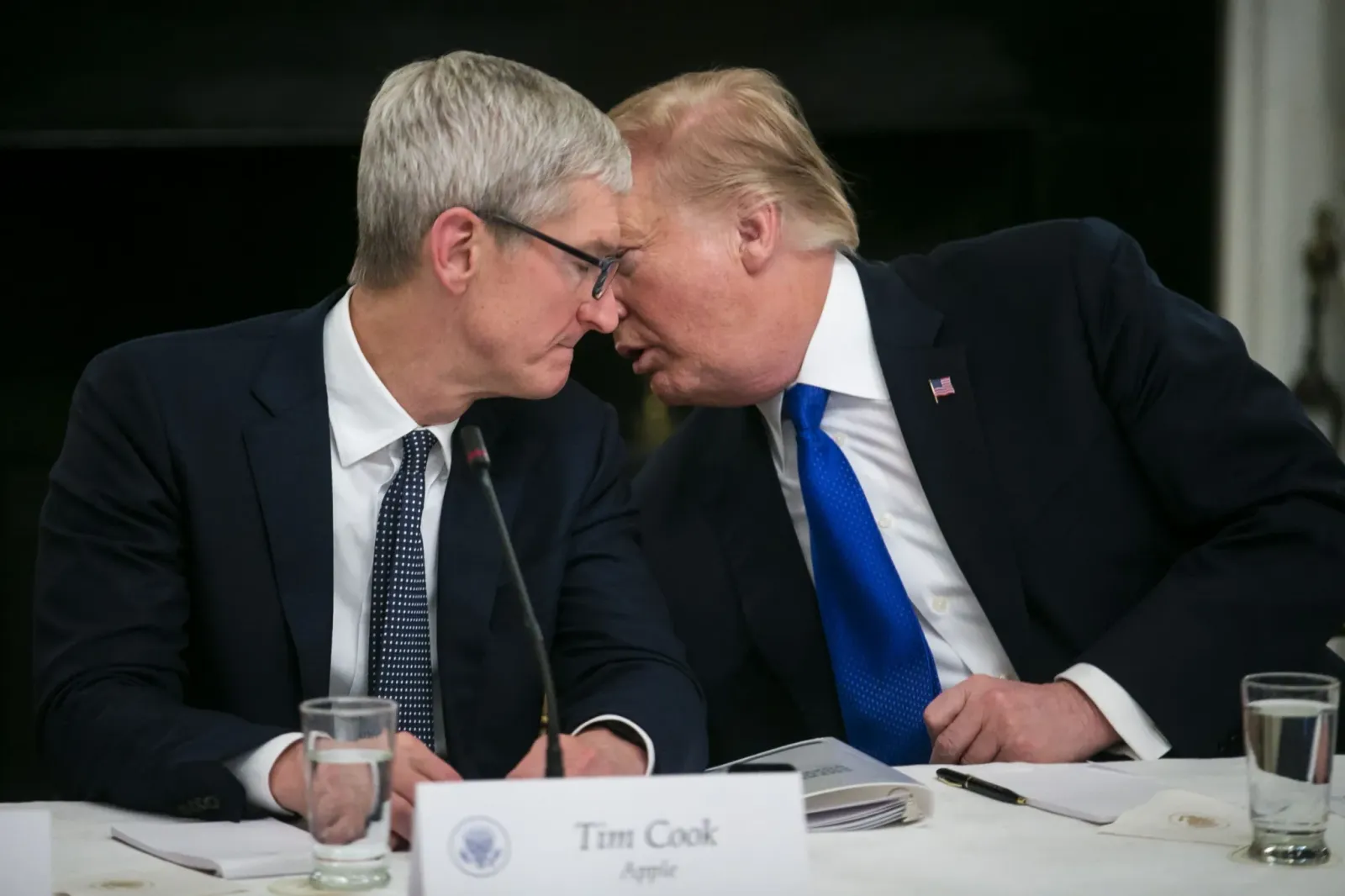
Tim Cook steps down as Apple CEO, stays on as chair with $45M equity
The 'Trump whisperer' keeps his White House and Beijing access as Apple navigates tariffs and a $4.6 trillion market cap.
Snowflake shares surge as AI data demand crushes estimates, lifting full-year forecast
Stocks jumped on stronger-than-expected guidance, signaling enterprise AI workloads are accelerating faster than Wall Street priced in.

Tim Cook's 15-year Apple CEO run ends: 3 lessons for any successor
After 15 years, Tim Cook hands Apple to John Ternus - here's how he turned a $350B company into a $4.6T juggernaut.