

Jamie Dimon's $12M HBCU bet: permanent endowments, not programs
The JPMorgan CEO's foundation is betting on long-term capital for 12 historically Black colleges as federal funding wobbles.
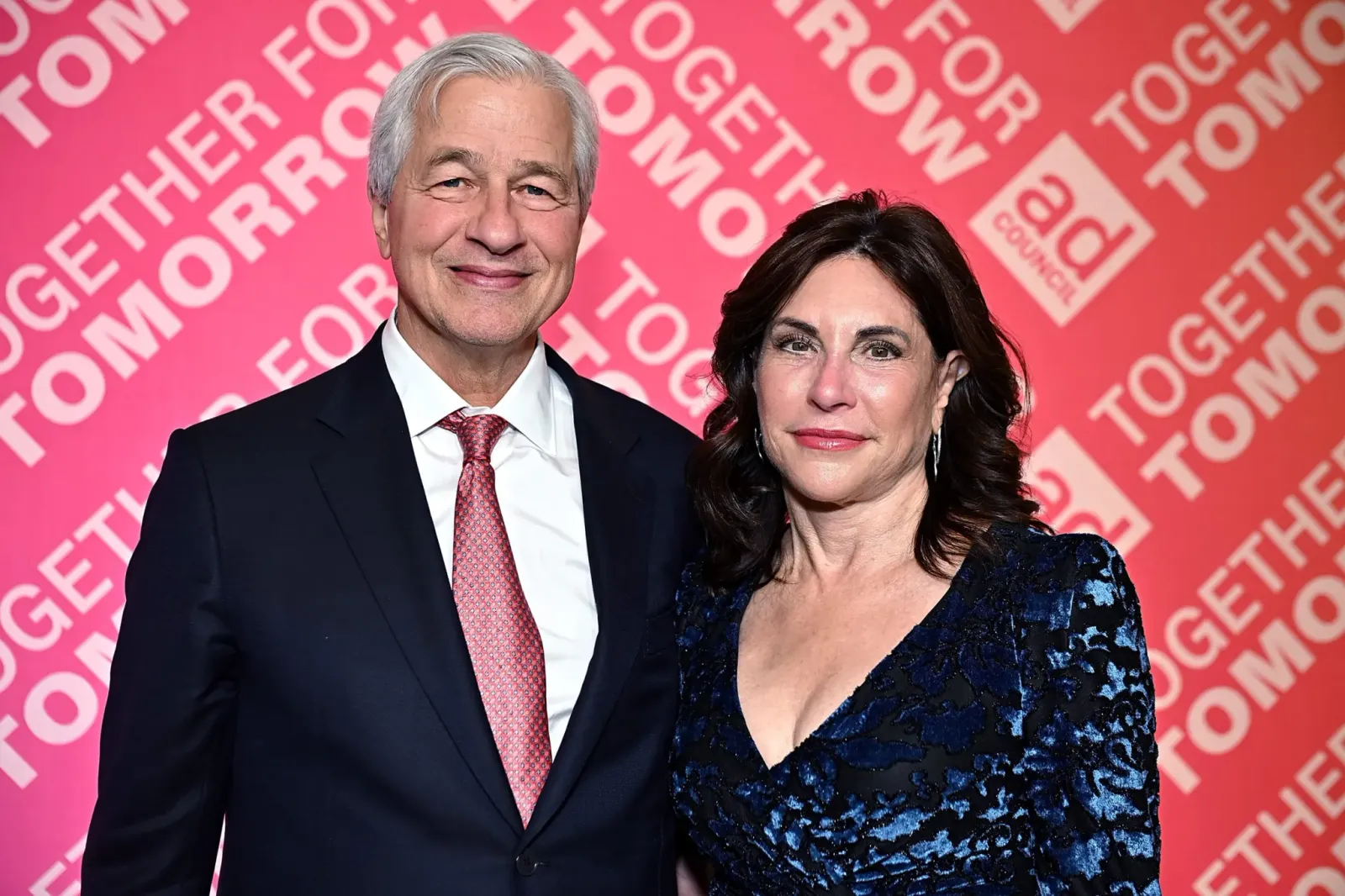
Jamie Dimon and his wife Judith, through their foundation, donated $12 million to 12 HBCUs via UNCF, establishing permanent endowments. The gift lands as federal support for HBCUs faces uncertainty, signaling a shift toward private philanthropy filling gaps.
On Aug. 20, the James and Judith K. Dimon Foundation announced a $12 million gift to 12 historically Black colleges and universities through the United Negro College Fund. The money doesn't fund a single program; it flows into permanent endowments, giving schools the freedom to plan for decades rather than scramble year to year. That's the bet: long-term capital over short-term fixes.
The timing is pointed. The gift lands as the Trump administration has pulled back funding for public institutions and HBCUs, leaving programs like the HBCU Capital Financing Program in limbo. The Dimons' move is a private counterweight to federal uncertainty, and it's part of UNCF's $1.5 billion capital campaign.
The foundation, established in 1996, is low-profile - no website, but ProPublica data shows it paid out more than $9 million in 2024, mostly to public schools and career advancement. Judy Dimon, the foundation's president, oversees grantmaking focused on career-connected learning for New York City public school students, and helped launch FutureReadyNYC, aiming to give 100,000 students hands-on career experience by 2030.
The 12 schools selected - Benedict College, Dillard University, Edward Waters University, Huston-Tillotson University, Jarvis Christian University, Johnson C. Smith University, Miles College, Oakwood University, Shaw University, Stillman College, Tuskegee University, and Voorhees University - were chosen for their leadership in preparing teachers, nurses, and healthcare professionals, high-demand fields where HBCUs punch above their weight for first-generation students.
The Dimons' joint statement: "Our system of HBCUs continue to serve as the springboard to success for thousands of students in pursuit of the American Dream." They cited their own backgrounds as children of first-generation high school and college graduates.
The gift is part of a broader wave of billionaire philanthropy stepping in where federal support has wobbled. MacKenzie Scott has given more than $700 million to more than a dozen HBCUs and affiliated organizations. The federal picture: a 43-day government shutdown that began Oct. 1, 2025, stopped new grants and furloughed roughly 95% of Education Department staff not working on student aid. The shutdown ended Nov. 12, but days later the department signed agreements handing billions in grant programs to other agencies, seen as a move toward dissolving the Education Department.
Some experts doubt the administration's sincerity. Mike Hoa Nguyen, an associate professor of education at UCLA, told The American Prospect in October 2025: "If [the Trump administration] actually…cared about HBCUs and tribal colleges, then you would not see such a big attack on other sectors of higher education." The department had announced a $495 million increase for HBCUs and tribally controlled colleges for FY 2025, but the shutdown and subsequent handoffs undercut that.
For executives and boards, the Dimons' approach is a template: permanent endowments over programmatic grants, and a focus on institutions that produce workforce-ready graduates in high-demand fields. As federal funding becomes less predictable, private capital is becoming the stability anchor for HBCUs. The strategic stakes: donors who want lasting impact should consider endowment-based giving, and institutions should build relationships with philanthropists who think in decades, not fiscal years.
This story's Key Insights and Take-aways are locked.
Create a free account to unlock Executive Actions for one credit.
Register to UnlockAlways free for Executives Club members. Join the Club
More in Business
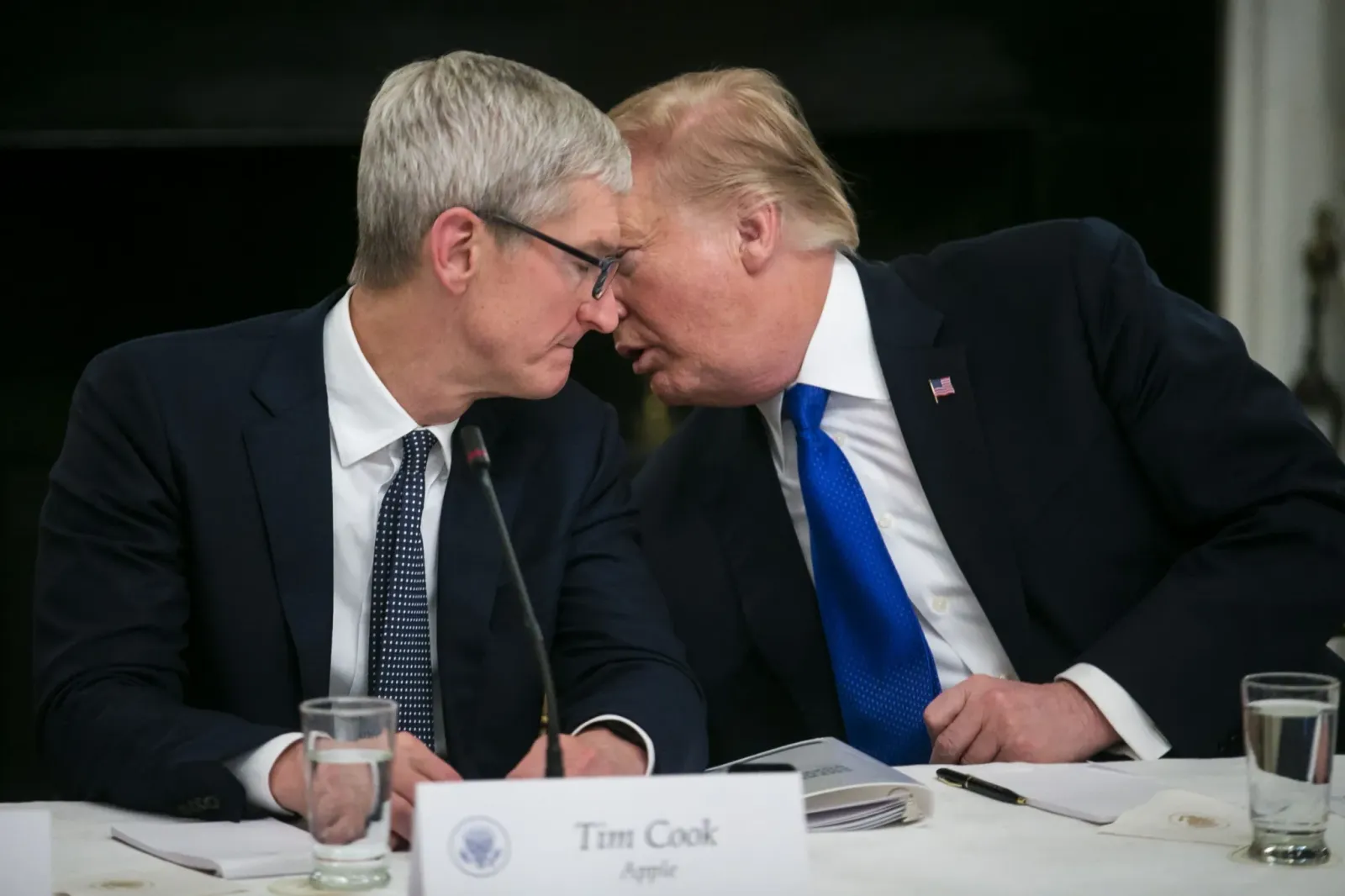
Tim Cook steps down as Apple CEO, stays on as chair with $45M equity
The 'Trump whisperer' keeps his White House and Beijing access as Apple navigates tariffs and a $4.6 trillion market cap.
Snowflake shares surge as AI data demand crushes estimates, lifting full-year forecast
Stocks jumped on stronger-than-expected guidance, signaling enterprise AI workloads are accelerating faster than Wall Street priced in.
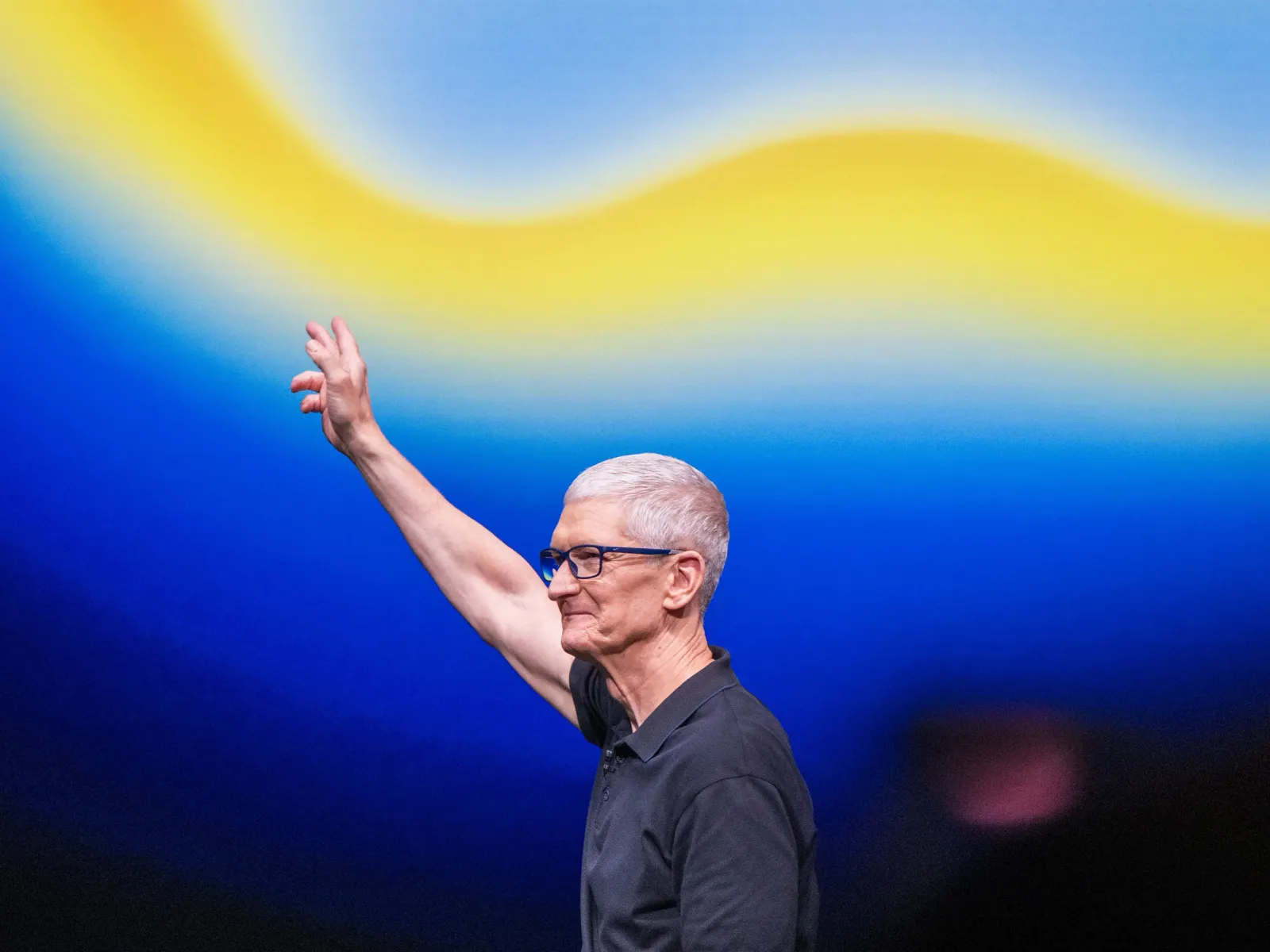
Tim Cook's 15-year Apple CEO run ends: 3 lessons for any successor
After 15 years, Tim Cook hands Apple to John Ternus - here's how he turned a $350B company into a $4.6T juggernaut.