

Japan approves stem cell heart patch for insurance - a regenerative breakthrough
The national health insurance nod could accelerate adoption of regenerative therapies for heart disease, opening a new era for cell-based medicine.
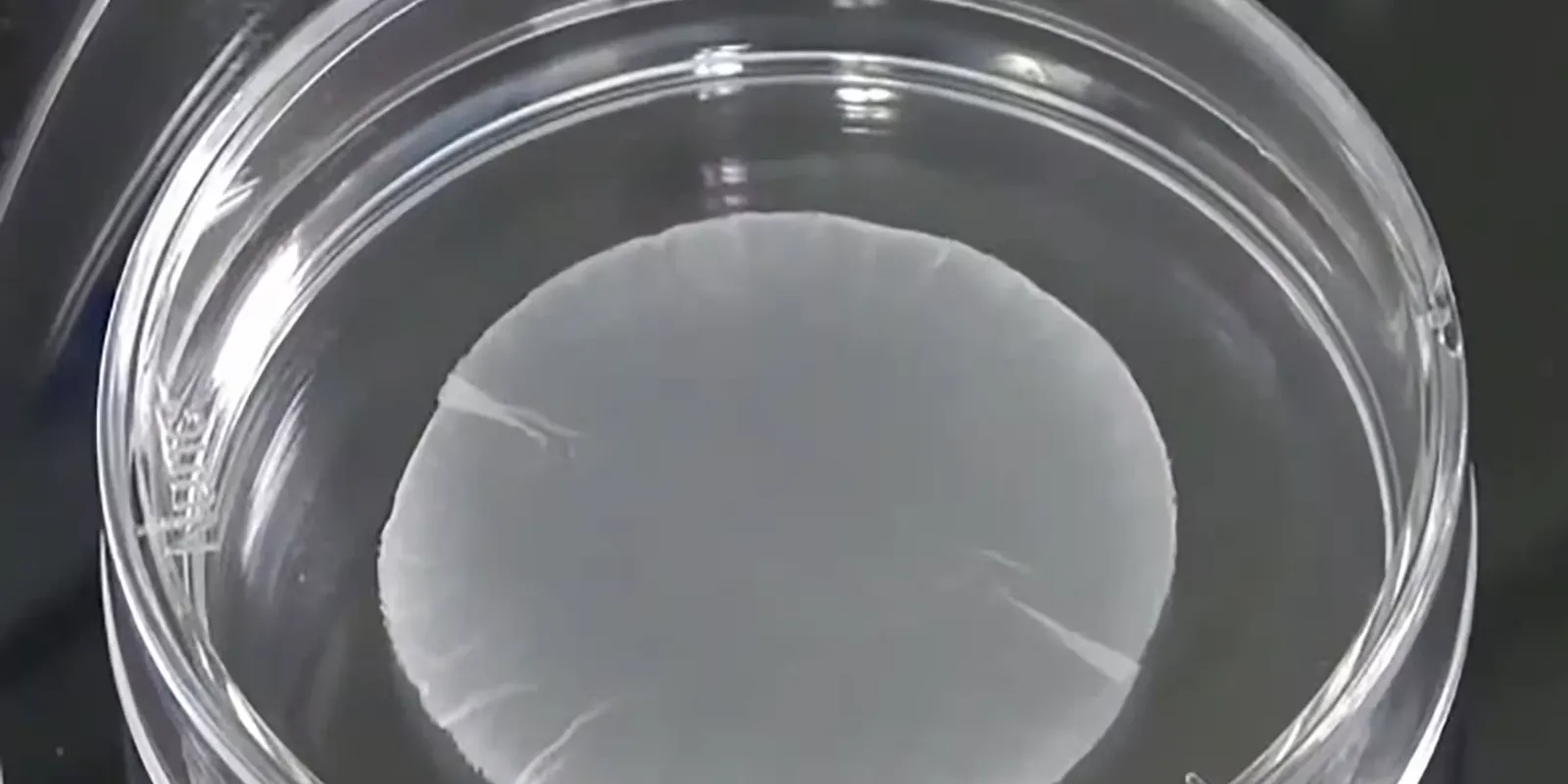
Japan's health ministry has approved insurance coverage for a stem cell-derived heart patch, a significant step for regenerative medicine. The decision could spur broader adoption of cell therapies and reshape treatment for heart failure patients.
Japan's health ministry has approved insurance coverage for a stem cell heart patch, a first for regenerative medicine in the country. The decision means patients with heart disease can now access this cell-based therapy under the national health insurance system, dramatically lowering out-of-pocket costs and signaling a major vote of confidence in the technology.
The patch is designed to treat heart disease, specifically by using stem cells to regenerate damaged heart muscle. While the exact cell source isn't specified in the approval, Japan has been a global leader in induced pluripotent stem cell (iPS cell) research, and this therapy is widely expected to leverage that technology. The approval is a breakthrough because it moves regenerative medicine from experimental to reimbursed, a critical step for commercial viability.
Japan's regulatory environment has been uniquely supportive of regenerative medicine. The country's Pharmaceuticals and Medical Devices Agency (PMDA) offers a conditional approval pathway that allows therapies to reach the market based on safety and probable efficacy, with post-market data collection required. This framework, established in 2014, was designed to accelerate access to innovative treatments and has made Japan a testbed for cell therapies. The insurance approval now adds a financial layer that could drive patient adoption.
The market implications are significant. Without insurance coverage, the cost of such a patch would likely be prohibitive for most patients, limiting its use to clinical trials or wealthy individuals. With national insurance, the therapy becomes accessible to a broader population, potentially creating a new standard of care for heart failure. This could also attract investment into the regenerative medicine sector, as companies see a clear path to reimbursement.
Globally, this approval could have ripple effects. The US and Europe have been more cautious in approving cell therapies, often requiring larger clinical trials and longer follow-up. Japan's approach, which balances speed with post-market surveillance, may serve as a model for other regulators. It could also encourage international partnerships, as foreign biotech firms seek to enter the Japanese market or leverage its regulatory pathway for their own products.
For executives in biotech and healthcare, this is a strategic signal. It validates that regenerative medicine can achieve regulatory and reimbursement milestones, reducing the risk of investing in similar pipelines. It also highlights the importance of understanding Japan's unique regulatory landscape. Companies with cell therapy programs should consider how to align with Japan's conditional approval and insurance processes to gain a competitive edge.
However, challenges remain. Manufacturing cell therapies at scale is complex and costly, and the long-term efficacy of the patch is still being evaluated. The post-market data will be crucial in determining whether the therapy truly improves outcomes and justifies its cost. Additionally, the patch's success could face competition from other emerging treatments, such as gene therapies or advanced medical devices.
The approval is a milestone, but it's just the beginning. The next few years will reveal whether regenerative medicine can deliver on its promise of repairing damaged organs. For now, Japan has taken a bold step, and the world is watching. The strategic stakes for peers in the industry are clear: those who move early to understand and leverage Japan's regulatory and reimbursement environment could be positioned to lead in the next wave of medicine.
This story's Key Insights and Take-aways are locked.
Create a free account to unlock Executive Actions for one credit.
Register to UnlockAlways free for Executives Club members. Join the Club
More in Business

Tim Cook steps down as Apple CEO, stays on as chair with $45M equity
The 'Trump whisperer' keeps his White House and Beijing access as Apple navigates tariffs and a $4.6 trillion market cap.

Snowflake shares surge as AI data demand crushes estimates, lifting full-year forecast
Stocks jumped on stronger-than-expected guidance, signaling enterprise AI workloads are accelerating faster than Wall Street priced in.

Tim Cook's 15-year Apple CEO run ends: 3 lessons for any successor
After 15 years, Tim Cook hands Apple to John Ternus - here's how he turned a $350B company into a $4.6T juggernaut.