

Japan updates imperial succession laws, but keeps the ban on women emperors
Parliament revises succession rules to protect the throne, yet women remain excluded, leaving Princess Aiko next only in theory.

Japan's parliament revised imperial succession laws to ensure the royal line endures, while maintaining the rule excluding women from becoming emperor. For decision-makers, the change signals how institutions protect legitimacy and continuity even when public sentiment pushes elsewhere.
Japan’s parliament has revised the country’s imperial succession laws with a clear goal: ensure the imperial line endures. But the headline detail is the catch: the changes still exclude women emperors.
That means the result hinges on a question many thought would finally move. A popular princess, Aiko, would be next in line if sex were no issue. In other words, Parliament tightened the process to preserve continuity, but it did not open the door that would have resolved the succession question in a straightforward way.
For outsiders, this may read like a narrow constitutional tweak. For anyone watching how high-status institutions manage risk, it is something else. Succession rules are not just legal boilerplate. They are legitimacy infrastructure. Once a system is built around a specific form of eligibility, every revision becomes a balancing act between two pressures: public expectations for fairness or modernization, and the institutional need to avoid rupture.
This is where Japan’s approach matters. The parliament’s move is framed as protecting the royal line. That goal is about continuity, not political theater. When the legitimacy of a hereditary system comes under stress, the governing process often aims for stability first, even if that means incremental change rather than full reform. The decision to adjust succession laws while still barring women emperors suggests Parliament judged the existing boundary as the least negotiable part of the system.
In practical terms, this kind of lawmaking is “change with guardrails.” It can prevent uncertainty from boiling into constitutional chaos, but it also sets a predictable limit on possible outcomes. Princess Aiko’s position becomes a symbolic and strategic pressure point. She is described as popular, and she would be next in line if sex were no issue. That means the revised rules likely reduce immediate legal unpredictability while keeping a longer-term legitimacy debate alive, because the underlying exclusion remains.
Second-order implications show up wherever governance depends on continuity. Think of how boards handle thorny transitions: you can streamline procedures and reduce near-term variance, but if you preserve the core constraint that blocks the “preferred” candidate path, you are not solving the fundamental tension. You are postponing the reckoning. Japan’s lawmakers appear to have done exactly that for the imperial succession question, prioritizing an orderly framework over a break from tradition.
There is also a communications dimension. The public sees the same headline regardless of what policymakers intend. When a system makes room for adjustment but keeps the bar on women emperors, supporters of broader inclusion are likely to read it as a partial concession. Meanwhile, traditionalists may see it as reassurance that the changes protect the line without challenging the foundational model. For decision-makers and institutions, managing that split audience is part of the work, and part of why revisions like this are typically engineered for stability rather than transformation.
For leaders in corporate or investor roles, the broader lesson is about how rules shape incentives and expectations across time. Legal eligibility rules determine who can credibly inherit roles and authority. Once a rule excludes a group, every reform that preserves the exclusion keeps the “next in line” question in a holding pattern. It can reduce friction in the short run, but it also ensures future disputes will return in a different form, especially when a popular candidate like Aiko sits just outside the eligibility boundary.
This story's Key Insights and Take-aways are locked.
Create a free account to unlock Executive Actions for one credit.
Register to UnlockAlways free for Executives Club members. Join the Club
More in Politics
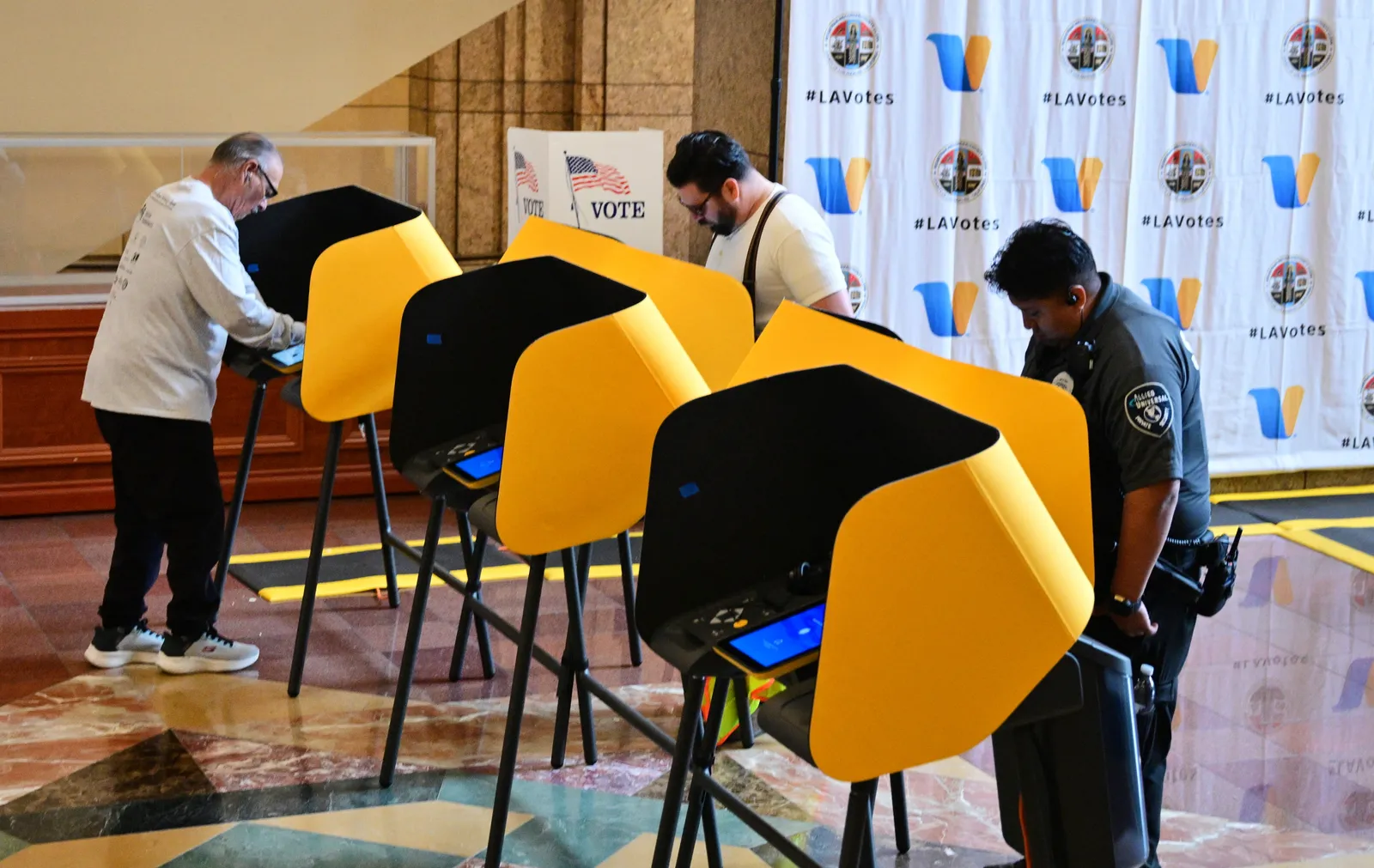
LA County: DOJ's 20,000 'noncitizen' voter list is 'unreliable,' includes U.S.-born
Preliminary review by Los Angeles County election officials finds errors in the federal list, raising the stakes for voter roll integrity ahead of November.

Trump's $1.5B Pentagon chip investment lands in North Carolina
A $1.5 billion defense infusion for North Carolina chipmaking signals a new era of Pentagon-backed reshoring - here's what it means for the industry.

Nigeria confirms first Ebola case in Abuja, a woman just off a Uganda flight
Health Minister Muhammad Ali Pate says the patient flew in from Uganda, putting Africa's latest outbreak on Nigeria's doorstep.