
JD.com, Chinese state firms swoop into Hong Kong border megaproject
A cross-border investment by Beijing-backed capital signals Hong Kong's northern districts are becoming a hub for mainland logistics and tech.
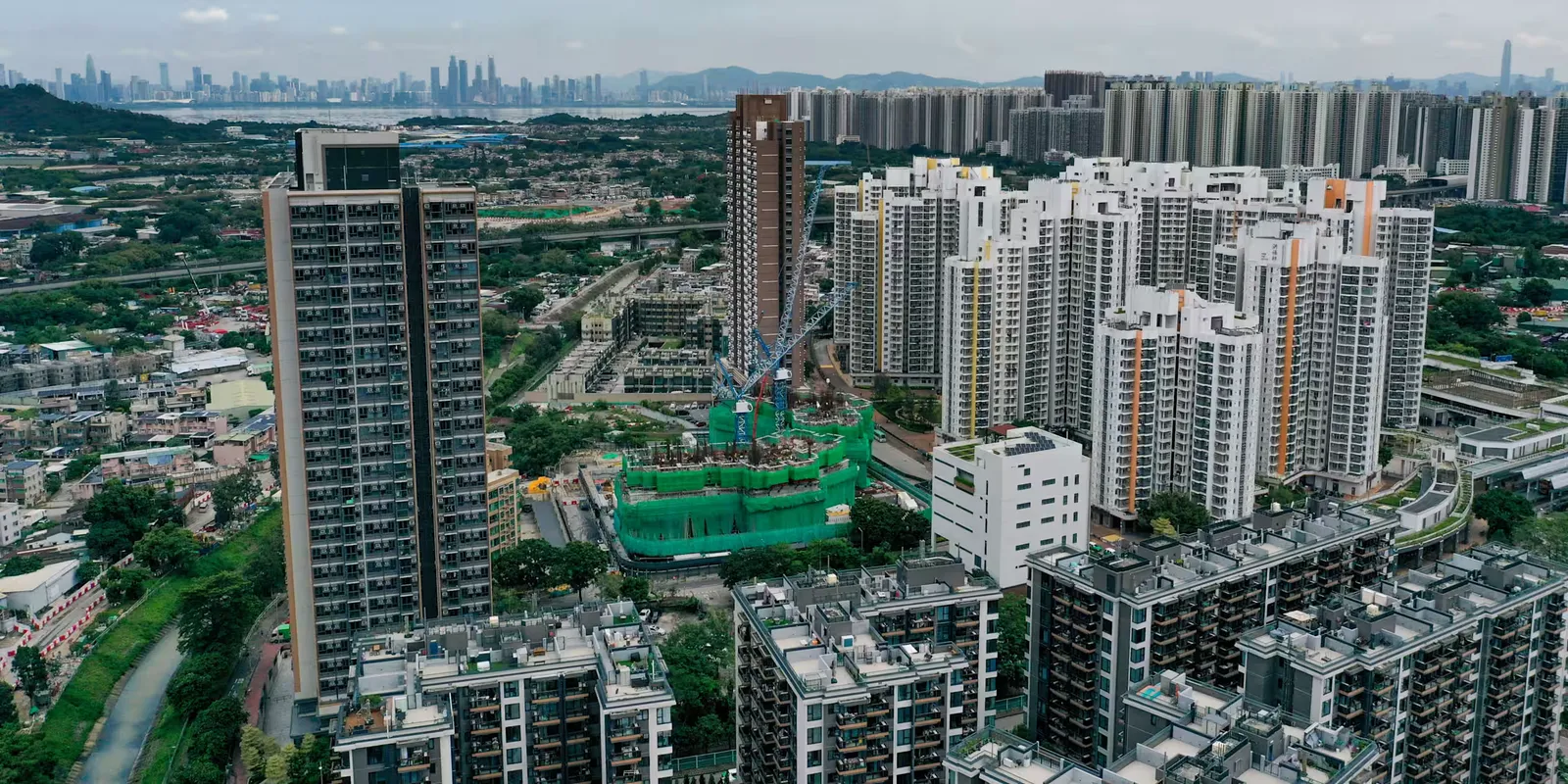
JD.com and unnamed Chinese state firms are investing in Hong Kong's border megaproject, per Nikkei Asia. The move gives mainland capital a foothold in the territory's land development at a time when Hong Kong is looking to integrate deeper with Shenzhen.
JD.com and several Chinese state-owned enterprises are joining Hong Kong's border megaproject, a development that places Beijing-backed capital at the heart of the territory's most ambitious land scheme. The move, reported by Nikkei Asia, marks one of the clearest examples yet of mainland companies and state entities choosing to plant their flag in Hong Kong's northern front, just across the town of Shenzhen.
For Hong Kong, the participation of these anchors changes the calculus of a project that has spent years in the political weeds. The northern New Territories have long been the city's exclusion zone - farmland, low-rise villages, and the occasional container yard - even as Shenzhen, across the river, became a global tech and manufacturing capital. That asymmetry is what this megaproject is meant to correct. By bringing in JD.com, which runs one of the world's largest fulfillment networks, and state-linked investors, the Hong Kong government gets not just capital but operational credibility that the project will actually be occupied, not speculative.
The deal is also a play on the Greater Bay Area, Beijing's strategy to stitch together Guangdong, Hong Kong, and Macau into a single economic cluster. For JD.com, Hong Kong offers a gateway for cross-border e-commerce, cold-chain logistics, and access to international markets - while maintaining a manufacturing and sourcing hub in the Pearl River Delta. State firms, for their part, have shown a growing appetite for real assets that serve Beijing's political priorities, from infrastructure to regional connectivity. The border project is a natural fit.
But there are complications. Hong Kong's land governance is famously slow and fragmented. The city has tried to develop its north before, and those efforts have been repeatedly delayed by environmental review, property compensation disputes, and political wrangling. The new investors are entering at a moment when the government has pledged to fast-track planning approvals, yet the delivery timeline remains uncertain. For executives, that means a long capital lock-up with a highly political payoff.
There is also the question of what the project becomes. In other parts of the world, border zones are special economic zones, often with streamlined customs and tax regimes. Hong Kong's status as a separate customs territory and its common law system give it an edge. If the megaproject mixes logistics parks, data centers, research facilities, and housing - as many similar schemes do - it could reshape where Hong Kong's economy lives. But if it turns into another real estate play, it will exacerbate the very land prices it is supposed to solve.
For corporate leaders in the region, the takeaway is that the border is no longer a hard edge. JD.com's move signals that mainland corporate giants are comfortable making multi-year commitments in Hong Kong's less glamorous neighborhoods, provided the price is right and the policy tailwinds hold. That could unlock a wave of industrial and tech investment in the northern districts, and it puts pressure on other Hong Kong developers and landlords to rethink their own strategies.
None of this will happen overnight. The megaproject is a long-term infrastructure effort, and JD.com and the state firms are early movers, not finishers. But for CEOs and CFOs looking at where the next generation of infrastructure will be built, this is a clear signal: China's corporate giants are moving to the frontier, and they want Hong Kong to be part of the story.
The involvement of Chinese state firms also has a geopolitical undertone. As Western regulators tighten scrutiny on Chinese-owned infrastructure, Hong Kong offers a neutral, internationally connected platform. That makes the border megaproject not just a local development but a strategic asset in Beijing's efforts to maintain global economic links. For foreign investors, the project represents both an opportunity and a cautionary tale: they can participate, but they will be sharing the table with Beijing-linked capital.
This story's Key Insights and Take-aways are locked.
Create a free account to unlock Executive Actions for one credit.
Register to UnlockAlways free for Executives Club members. Join the Club
More in Business

Tim Cook steps down as Apple CEO, stays on as chair with $45M equity
The 'Trump whisperer' keeps his White House and Beijing access as Apple navigates tariffs and a $4.6 trillion market cap.

Snowflake shares surge as AI data demand crushes estimates, lifting full-year forecast
Stocks jumped on stronger-than-expected guidance, signaling enterprise AI workloads are accelerating faster than Wall Street priced in.
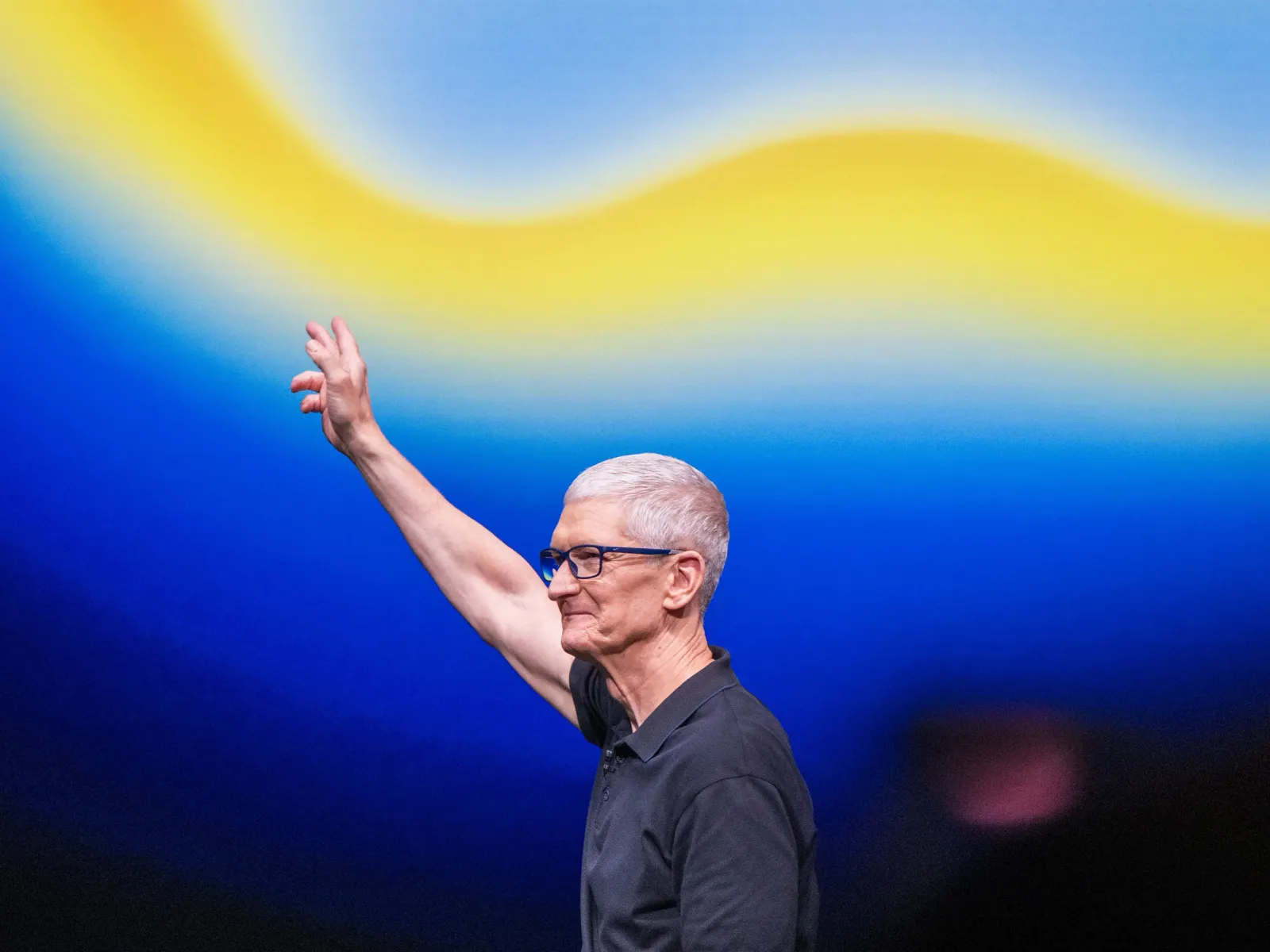
Tim Cook's 15-year Apple CEO run ends: 3 lessons for any successor
After 15 years, Tim Cook hands Apple to John Ternus - here's how he turned a $350B company into a $4.6T juggernaut.