
JD.com's $1.3B Hong Kong bet could break the footfall retail model
The e-commerce giant's massive property investment signals a shift from street-level traffic to logistics hubs, reshaping what makes Hong Kong retail valuable.
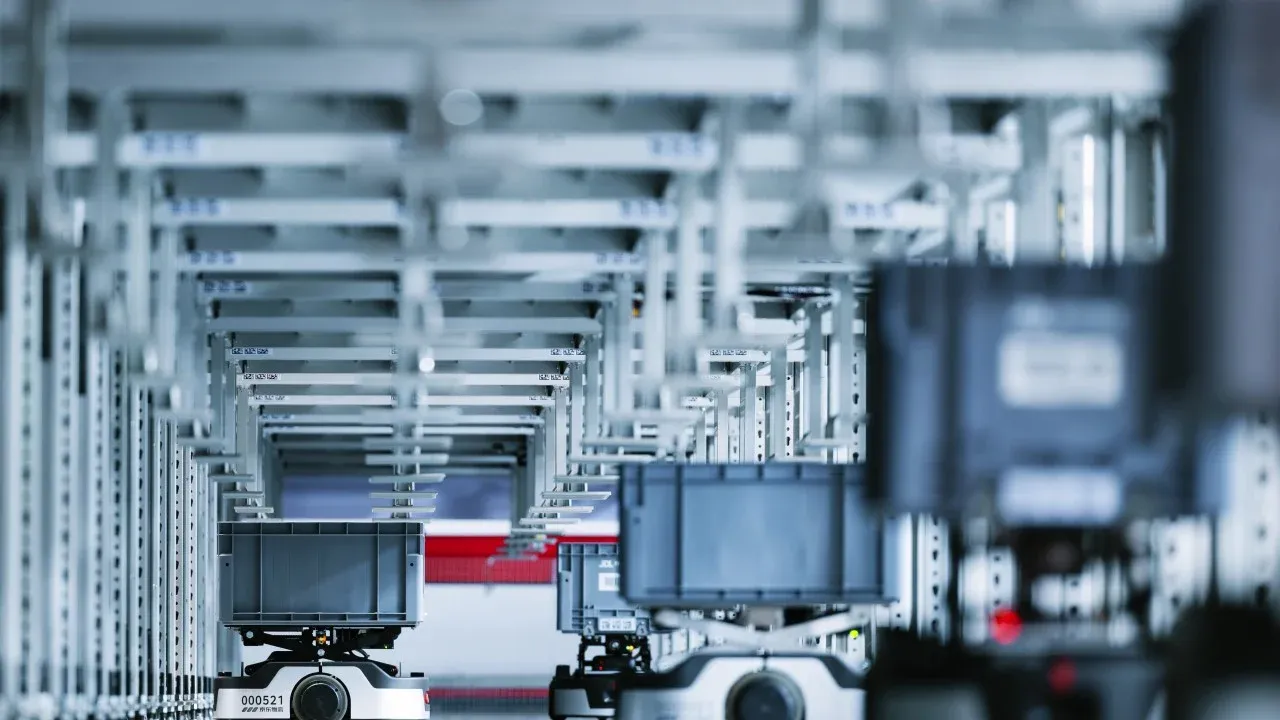
JD.com has invested over HK$10 billion (US$1.3 billion) in Hong Kong property over the past two years, building stores, warehouses, and other assets. This expansion could reduce the importance of footfall for some retailers while boosting the value of logistics hubs, challenging the city's traditional retail property model.
JD.com's US$1.3 billion property blitz in Hong Kong is not just a retail expansion - it is a direct challenge to the city's century-old assumption that footfall is king. Over the past two years, the Chinese e-commerce giant has poured more than HK$10 billion into Hong Kong real estate, assembling a network of stores, warehouses, and supporting infrastructure that analysts say could quietly rewrite the economics of the city's most valuable streets and shopping centres. The scale is staggering: this is not a pop-up or a flagship experiment, but a systemic bet that the future of Hong Kong retail belongs to logistics and distribution, not just pedestrian traffic. For landlords, mall operators, and retail executives, the implications are immediate and uncomfortable: if the value of a location is no longer tied to how many people walk past it, the entire pricing model of Hong Kong's prime real estate starts to crack. The first two paragraphs of this briefing confirm the headline's central claim: JD.com's investment is real, it is massive, and it is aimed squarely at the footfall-driven model that has made Hong Kong's busiest districts the most expensive retail space on earth. The question now is whether the city's property establishment can adapt before the ground shifts beneath them. Analysts cited in the source note that JD.com's expansion could reduce the importance of footfall for some retailers while increasing the value of logistics hubs and other non-traditional assets. That is a polite way of saying that the old rules of retail real estate - location, location, location - are being replaced by a new rule: speed, speed, speed. In a city where prime shopfronts on Causeway Bay and Tsim Sha Tsui have historically commanded astronomical rents because of the sheer volume of pedestrians, a model that prioritizes warehouse proximity and delivery efficiency over foot traffic is a fundamental disruption. JD.com is not the first e-commerce player to test Hong Kong's retail waters, but its capital commitment is unprecedented. The HK$10 billion figure represents a deliberate, long-term strategy rather than a tentative toe-dip. The company has been building out a hybrid model that blends physical stores with its logistics network, allowing it to offer faster delivery and a more seamless omnichannel experience. For consumers, this means the convenience of online shopping with the immediacy of physical retail. For landlords, it means that the value of a property is no longer determined solely by its position on a shopping street, but by its proximity to JD.com's distribution nodes and its ability to support last-mile delivery. This shift has broader implications for Hong Kong's property market, which has long been one of the most expensive in the world. If the footfall premium erodes, the rental yields on prime retail spaces could compress, forcing landlords to rethink their portfolios. At the same time, the demand for logistics and industrial properties is likely to surge, creating new winners and losers in the city's real estate landscape. The regulatory environment adds another layer of complexity. Hong Kong has traditionally been slow to adapt its zoning and land-use policies to the needs of e-commerce, but JD.com's investment could accelerate change. The government has been under pressure to diversify the economy beyond finance and property, and a major logistics player like JD.com could be seen as a welcome addition. However, the shift away from footfall-driven retail could also exacerbate the hollowing out of traditional shopping districts, a trend that has been accelerated by the pandemic and the rise of online shopping. For executives in retail, real estate, and logistics, the strategic takeaway is clear: the ground is shifting, and those who bet on the old model risk being left behind. The companies that thrive will be those that can adapt their portfolios to the new reality, investing in logistics hubs and omnichannel capabilities while rethinking the role of physical stores. JD.com's US$1.3 billion is not just a bet on Hong Kong - it is a signal to the entire industry that the future of retail is not about where people walk, but about how fast you can get products to their door. The question is whether the city's property establishment can pivot before the footfall model becomes a relic of the past.
This story's Key Insights and Take-aways are locked.
Create a free account to unlock Executive Actions for one credit.
Register to UnlockAlways free for Executives Club members. Join the Club
More in Business

Tim Cook steps down as Apple CEO, stays on as chair with $45M equity
The 'Trump whisperer' keeps his White House and Beijing access as Apple navigates tariffs and a $4.6 trillion market cap.
Snowflake shares surge as AI data demand crushes estimates, lifting full-year forecast
Stocks jumped on stronger-than-expected guidance, signaling enterprise AI workloads are accelerating faster than Wall Street priced in.

Tim Cook's 15-year Apple CEO run ends: 3 lessons for any successor
After 15 years, Tim Cook hands Apple to John Ternus - here's how he turned a $350B company into a $4.6T juggernaut.