
Jonas Vingegaard withdraws from Tour de France after fall, ceding second place
The Danish rider pulled out right after a crash, reshaping the race and the risk calculus for elite teams.

Jonas Vingegaard, currently in second place at the Tour de France, withdrew after a fall, according to France 24. The immediate consequence is a major shake-up of leadership dynamics and strategy for every contender left in the race.
Jonas Vingegaard, in second place in the Tour de France, has withdrawn after a fall, France 24 reports. The moment matters because second place is not a casual position in cycling's biggest event. It is the edge of contention, the posture of “I can still win,” and the psychological and tactical center of gravity for an entire team.
When a rider at that rank crashes and then exits the race, the knock-on effects happen fast. Vingegaard’s withdrawal removes a reference point for pace-setting, pacing discipline, and what the peloton dares to ask of itself next. In elite stage racing, the arithmetic changes instantly: teammates must adjust their workload, contenders alter their risk appetite, and directors recalibrate stage-by-stage plans that were built around a specific leader and his rivals.
There is also a broader “business logic” to why a withdrawal like this hits so hard. Teams in the Tour run on tight operational models, not just athletic ability. Staff plan for controllable variables such as team roles, time gaps, and stage profiles. A fall disrupts all of it at once. Suddenly, what was a controlled execution turns into contingency management: regroup, protect remaining leaders if any, and prevent the race from turning into chaos that benefits opponents.
Even if you do not follow cycling day to day, the incentives are familiar. One rider’s misfortune shifts leverage to others. Contenders who were waiting for the right moment may feel pressure to attack sooner, because the “safe” rival is gone. Meanwhile, teams who had protected Vingegaard’s threat may need to decide whether to keep investing in team tactics or pivot to damage control. This is the same strategic fork executives recognize across industries: when the plan’s primary asset disappears, do you double down on the existing narrative or rebuild around the remaining capabilities?
This is where the second-order implications show up for everyone else in the peloton. A withdrawal can alter how competitors perceive downstream risk. If the most threatening rider is removed due to a crash, some riders may read the situation as a sign to take fewer chances, particularly on technical routes and in chaotic sprint or cobblestone-adjacent moments. Others may treat it as opportunity, pushing harder because the ceiling for winning has changed. Either way, the tempo and positioning that follows can be as consequential as any single breakaway.
From a governance and rules perspective, the Tour is not built to pause for individual tragedies. Race organization continues, and the remaining riders must follow the event’s competitive structure without renegotiating outcomes. That is typical in sports, and it has a close analogue in regulated environments: the system keeps moving, and participants must adapt within the constraints, not rewrite the rules midstream. A fall leading to withdrawal is one of those constraints that cannot be negotiated.
For teams, the strategic stakes extend beyond the remaining stages. Elite cycling careers and sponsorship value are tightly tied to visibility and results. A rider withdrawing while in second place can affect how a team portrays performance to partners and how it prioritizes future investment in training blocks, equipment choices, and rider development. Staff also have to evaluate whether the fall was an isolated incident or something that suggests changes to approach on similar terrain. That is operational learning, and it can influence next season even when the current race ends early for a star.
Finally, for anyone tracking the sport's competitive landscape, Vingegaard’s withdrawal is a reminder of how quickly narrative order can flip. Second place at the Tour represents momentum and intent. When that intent is abruptly removed by a fall, the remaining contenders inherit a different tournament reality. The teams that adapt fastest, communicate cleanly, and execute under changed conditions will be the ones turning this setback into whatever upside remains.
This story's Key Insights and Take-aways are locked.
Create a free account to unlock Executive Actions for one credit.
Register to UnlockAlways free for Executives Club members. Join the Club
More in Politics
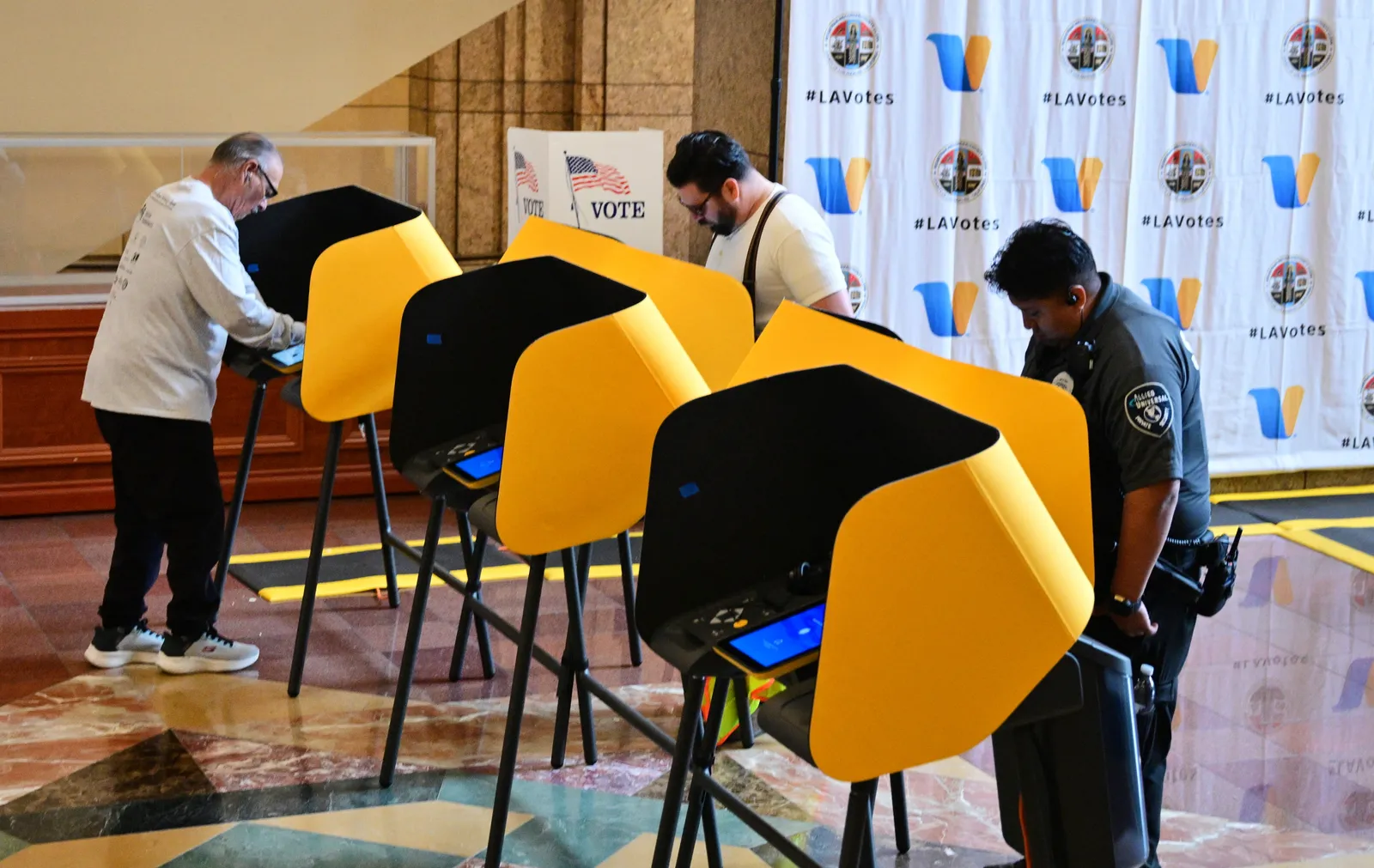
LA County: DOJ's 20,000 'noncitizen' voter list is 'unreliable,' includes U.S.-born
Preliminary review by Los Angeles County election officials finds errors in the federal list, raising the stakes for voter roll integrity ahead of November.
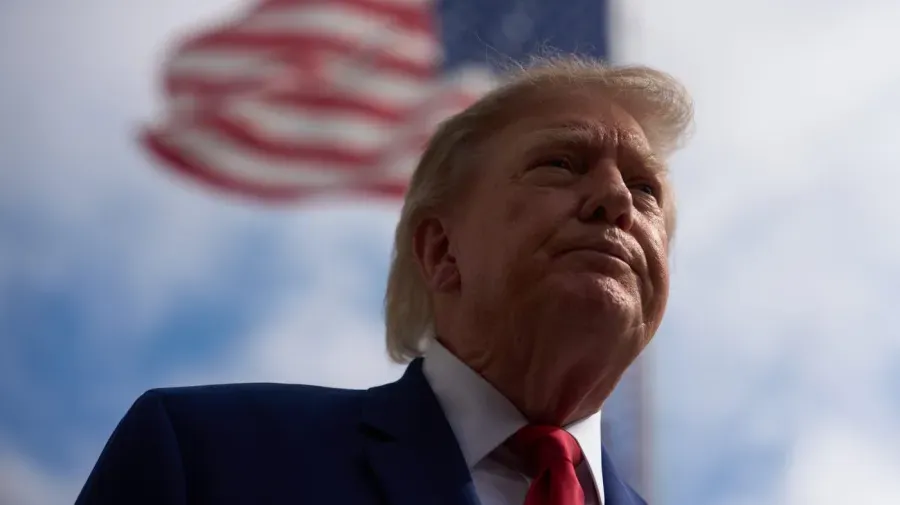
Trump's $1.5B Pentagon chip investment lands in North Carolina
A $1.5 billion defense infusion for North Carolina chipmaking signals a new era of Pentagon-backed reshoring - here's what it means for the industry.
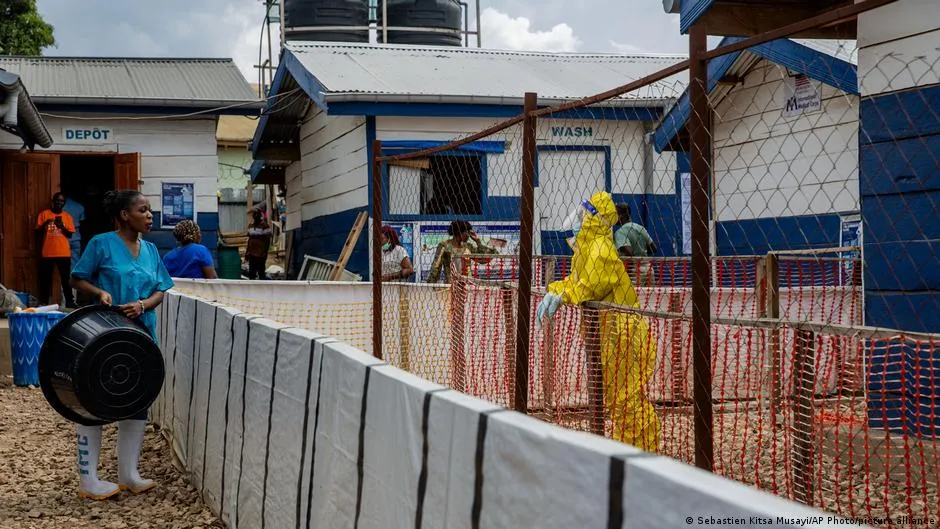
Nigeria confirms first Ebola case in Abuja, a woman just off a Uganda flight
Health Minister Muhammad Ali Pate says the patient flew in from Uganda, putting Africa's latest outbreak on Nigeria's doorstep.