

Justice Dept. subpoenas Times freelancer to trace leaks tied to failed SEAL Team 6 mission
A newly disclosed subpoena shows the government is widening leak investigations. Editors and executives should treat source-protection as risk management.
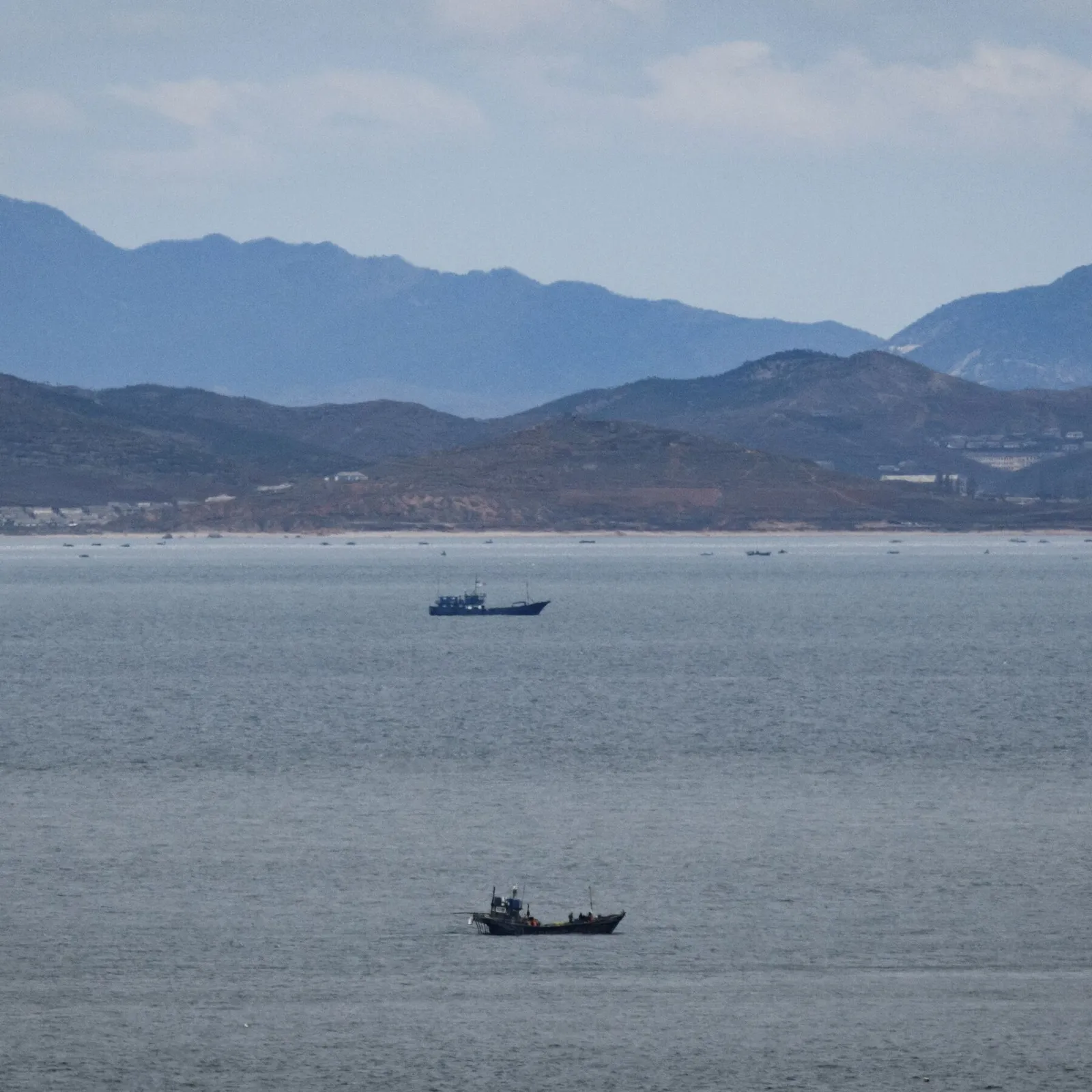
The Justice Department issued a previously undisclosed subpoena to a freelancer for The New York Times as part of efforts to identify sources behind reporting on a failed SEAL Team 6 mission in North Korea. For decision-makers, the development signals leak probes are getting broader, with real exposure for newsrooms and their contractors.
A previously undisclosed Justice Department subpoena targeted a freelancer for The New York Times as the government tried to identify sources tied to reporting on a failed SEAL Team 6 mission in North Korea. This is not abstract law enforcement theater. It is a concrete escalation in how aggressively the government is trying to locate the people behind national security leaks.
That focus on the source, not the story, is the key point. The subpoena is tied to reporting on an operation that did not go as planned, and it reflects the government’s expanding campaign to investigate leaks of secrets. In other words: when the government believes sensitive information flowed from inside the system, it is moving outward, using legal process to find who talked, not just what was printed.
For executives and boards in media, policy, or adjacent sectors, this matters because subpoenas behave like risk magnets. They pull legal, operational, and reputational attention toward one question: who has information that can identify other information? Freelancers and contractors are often less resourced than full-time staff, and the subpoena process can force fast decisions about compliance, document retention, and internal handling even when the underlying reporting is already published.
There is also a structural incentive mismatch at play. Agencies that investigate leaks are trying to stop additional disclosures and deter future ones. News organizations, meanwhile, are built on gathering, verifying, and publishing information in the public interest. That mission can collide with government efforts to identify individuals who supplied details. Even without commenting on any specific underlying legal theories, the existence of this subpoena shows the government is willing to pursue the perimeter of the newsroom ecosystem, not just its editors or executives.
Second-order implications spread beyond the newsroom. When a subpoena targets a freelancer, it can reshape workflows for everyone who touches sensitive reporting, including editors, legal teams, and sometimes outside vendors. Journalists often rely on informal trust networks for access. Legal threats can change behavior inside those networks, slowing reporting or narrowing what sources will share, especially when the subject involves classified operations.
The setting here is national security, and the story element is a failed SEAL Team 6 mission in North Korea. In that context, the government’s interpretation of what constitutes “secrets” tends to be broad, and the consequence of disclosure can be seen as both operational and diplomatic. That helps explain why leak investigations can become a sustained campaign rather than a one-off response. The goal is enforcement with leverage. If the government can identify the source path, it can tighten controls and deter future leaks.
For companies whose leaders oversee communications, government relations, or crisis response, this is a governance moment. Boards increasingly treat regulatory scrutiny as an enterprise-wide issue, not a legal department problem. Here, the subpoena is aimed at uncovering sources, but the ripple hits operations: compliance posture, vendor and contractor oversight, and the cost of responding to legal process.
The strategic stake is straightforward: this development is a signal to peers across journalism and information-heavy industries that the government’s approach is expanding. If leak investigations are reaching freelancers tied to sensitive stories about failed operations abroad, the same pattern can surface in other contexts where classified material is involved. The executives who plan for that reality will be the ones who can move decisively when subpoenas show up, and who can protect both legal compliance and editorial integrity while the process unfolds.
This story's Key Insights and Take-aways are locked.
Create a free account to unlock Executive Actions for one credit.
Register to UnlockAlways free for Executives Club members. Join the Club
More in Politics

LA County: DOJ's 20,000 'noncitizen' voter list is 'unreliable,' includes U.S.-born
Preliminary review by Los Angeles County election officials finds errors in the federal list, raising the stakes for voter roll integrity ahead of November.

Trump's $1.5B Pentagon chip investment lands in North Carolina
A $1.5 billion defense infusion for North Carolina chipmaking signals a new era of Pentagon-backed reshoring - here's what it means for the industry.

Nigeria confirms first Ebola case in Abuja, a woman just off a Uganda flight
Health Minister Muhammad Ali Pate says the patient flew in from Uganda, putting Africa's latest outbreak on Nigeria's doorstep.