

Keith Thomas uses a “double neural bypass” to feed himself after 6-year paralysis
A brain implant bypassing a spinal cord injury lets a man who was paralyzed from the chest down control hands and touch.
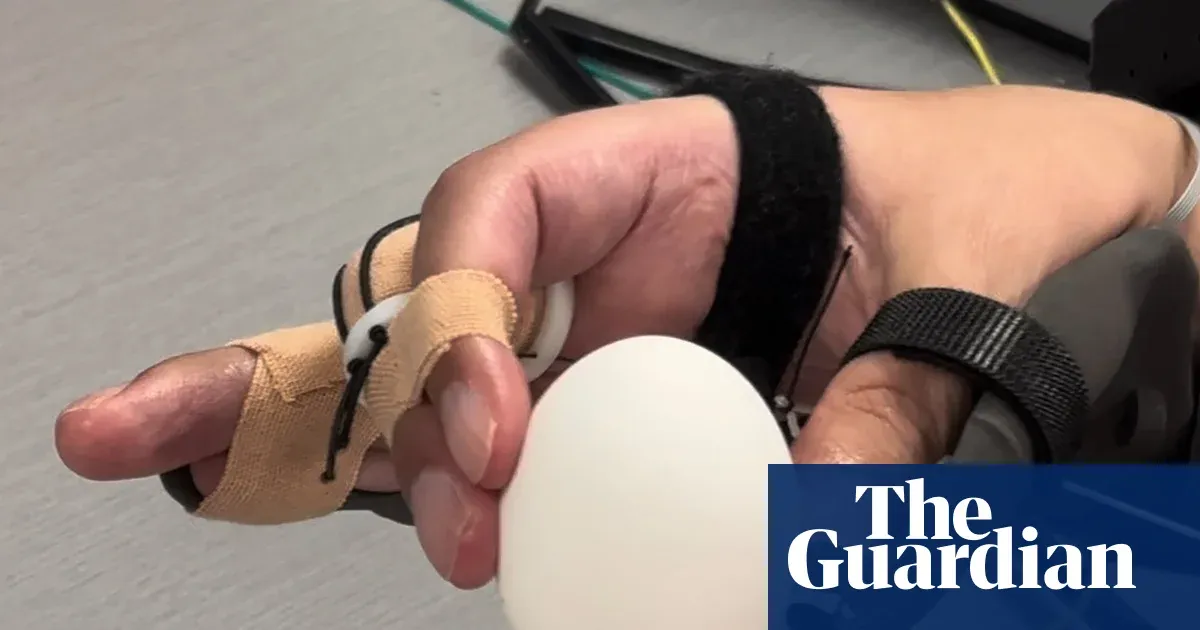
Keith Thomas of Massapequa, New York, can move his arms and hands and feel touch after a “double neural bypass” and months of training. The breakthrough matters to decision-makers because it demonstrates how neurotechnology could translate injury recovery into predictable, testable outcomes.
Keith Thomas can move his arms and hands, and he can feel sensation of touch after what the article calls a “double neural bypass,” followed by months of training. The key moment: after agreeing to trial the technology in 2021, he underwent surgery to implant electrodes in his brain, and over months of training he regained the ability to lift his limbs enough to feed himself and drink from a cup. Six years after being paralyzed from the chest down in a swimming accident, that’s not a minor clinical win. It is a functional re-entry into daily life, where “can I do it myself?” stops being theoretical.
Thomas’s origin story underscores why the engineering and the clinical workflow matter. Before the trial, he could not lift his arms off his wheelchair when he agreed to try the technology in 2021. After surgery to implant electrodes in his brain and many months of training, he was able to move again. The article ties the outcomes directly to the “double neural bypass,” a brain-to-body approach that bypasses his spinal cord injury rather than trying to repair it. In other words, the system routes around the damaged path so commands and sensation can be re-established.
For executives and board members evaluating neurotech, the immediate takeaway is that this is not presented as a generic “brain magic” story. It is a structured intervention: electrode implantation in the brain, then a long training phase. That matters because it frames the product-like elements of the technology. Neurotechnology often struggles with variability in how quickly signals translate into real movement, and how stable those signals are over time. Even without additional numbers in the source, the mention of “many months of training” signals that outcome depends on more than surgery alone. There is an operational component: onboarding, calibration, therapy, and patient learning.
Now zoom out to the regulatory and oversight context this implies. In the United States, trials for implantable neurotechnology typically sit in a tightly managed lane involving multiple stakeholders, including clinicians, research teams, and regulators overseeing patient safety. While the source does not name a regulator or provide regulatory milestones, it does anchor the timeline: Thomas agreed to trial in 2021, received implanted electrodes, and then spent months training before functional milestones like feeding and drinking from a cup. For decision-makers, this is how credible clinical progress usually looks. A trial is not “installed and done.” It is “implemented, tuned, and proven through function.” Boards generally care about exactly that, because it lowers the risk of hype-driven expectations that do not survive contact with real-world rehab.
The technology’s mechanism is also commercially important, even if this specific article is not about market expansion. The “double neural bypass” concept, as described here, bypasses a spinal cord injury. That positions the system as a workaround for a common bottleneck in paralysis care. Spinal cord damage has historically limited options, so routing around the injury is a structural advantage. When you bypass, you are not waiting for repair. You are building a bridge, and then testing whether it carries enough bandwidth for everyday tasks. In Thomas’s case, the proof is tangible: feeding himself and drinking from a cup.
Second-order implications are where the boardroom gets interested. Functional control of hands and arms changes more than what a patient can do in a clinic. It affects caregiver load, quality of life, and the long-term trajectory of rehabilitation planning. For payers and healthcare systems, those impacts can move the economics of care, even when the upfront intervention is expensive. For technology companies, it also reframes “success metrics.” If the system’s value is measured by tasks like drinking from a cup and feeding, then clinical endpoints and product validation should align with those outcomes, not only with lab-based movement metrics.
There is also an industry signal here for other teams working on neural interfaces. The source describes a clear chain: a specific injury, agreement to trial in 2021, implantation of electrodes in the brain, months of training, and then regained ability to move limbs and feel touch. That pattern is the kind of evidence stakeholders can map into future trial designs, training protocols, and patient selection criteria. And it provides a reference point for what “recovery” could look like when the nervous system is not repaired directly, but circumvented through a brain-led bypass.
Finally, the strategic stakes for peers in similar roles are direct. Neurotechnology is crowded with claims, but functional outcomes are harder to demonstrate. Thomas’s story, as told in this article, puts a stake in the ground: a person paralyzed from the chest down can, after a brain implant with a “double neural bypass” and months of training, regain enough hand and arm control to feed himself and drink from a cup, and he can feel touch sensations. For executives and investors, the question becomes whether the field can turn those clinical milestones into scalable, repeatable care pathways. This is what the industry needs to move from breakthrough to platform.
This story's Key Insights and Take-aways are locked.
Create a free account to unlock Executive Actions for one credit.
Register to UnlockAlways free for Executives Club members. Join the Club
More in Science
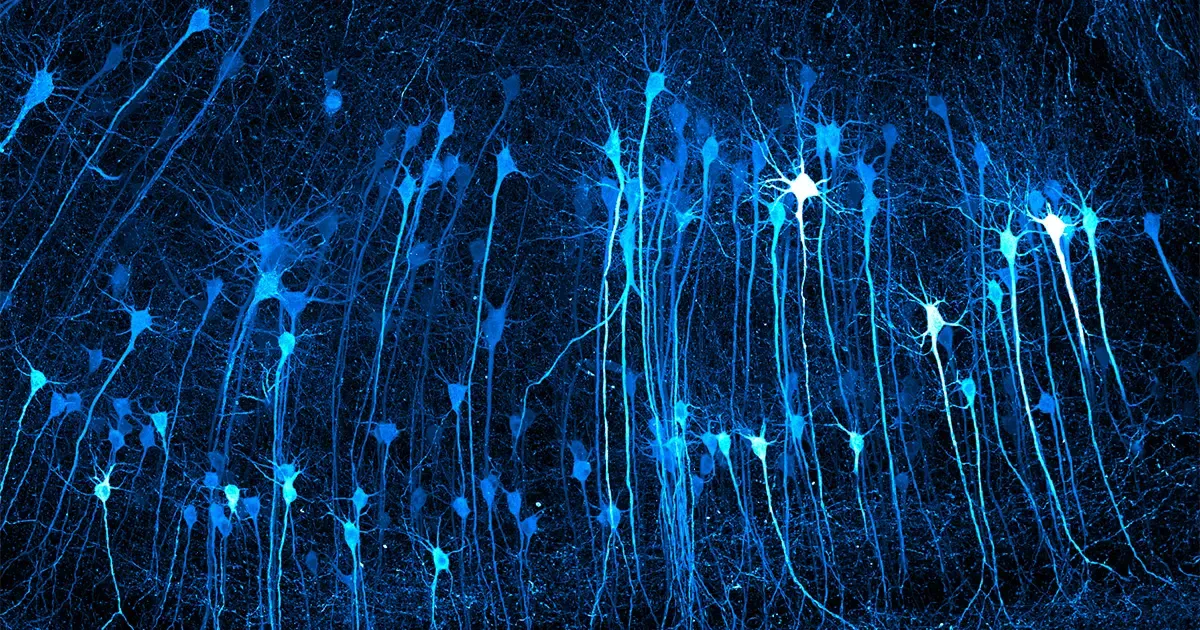
2026 Nikon Small World Winners Reveal the Hidden Machinery of Everyday Life
A mycologist's frozen Edinburgh garden became the backdrop for vivid views inside cells, a reminder of what advanced imaging now makes visible to researchers and the industries built on biology.
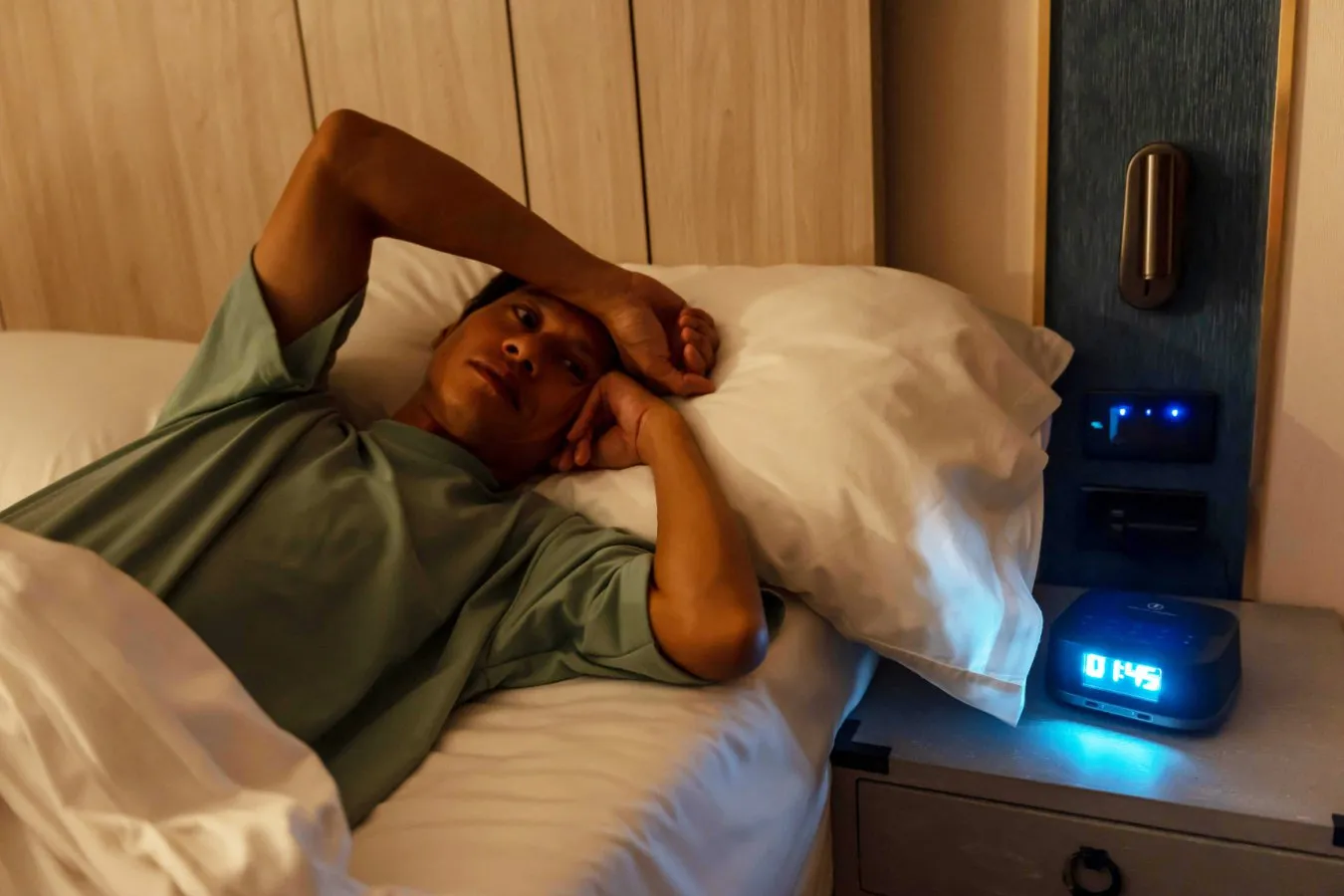
Study: 1 in 4 depression cases may be a body-clock problem, not a chemical one
A 10,000-person study finds standard antidepressants often fail these patients, but melatonin and morning sunlight may hit the real root cause.

Start-Up Says A.I. Designed a Virus to Attack One Patient's Superbug
If the claim holds up, personalized phage therapy could become a new frontline weapon against antibiotic resistance - but proof is far from final.