

Kevin Warsh buys himself time as central banking faces a forbidding future.
The former Fed governor's strategic positioning could determine who leads the world's most powerful central bank through its next crisis.

Kevin Warsh, former Federal Reserve governor and perennial candidate for Fed chair, has maneuvered to keep himself in contention for the top job. For executives and investors, this means uncertainty about the future direction of monetary policy as the Fed faces challenges from inflation to political pressure.
Kevin Warsh has bought himself time. That is the central takeaway from a recent Economist analysis of the former Federal Reserve governor's positioning as central banking enters a forbidding era. The line, buried in a broader piece on the challenges facing global monetary authorities, signals that Warsh-a candidate for Fed chair in both 2017 and 2021-has managed to keep his name in the mix without explicitly declaring his intentions. In a world where central bankers are increasingly second-guessed by politicians and markets alike, the ability to play the long game is a rare luxury. Warsh, who served on the Fed board from 2006 to 2011 and was a key architect of the initial response to the financial crisis, has kept his profile high through speeches, op-eds, and private conversations with policymakers. The question now is whether he has bought himself enough time to become the next chair when Jerome Powell's term expires in 2026, or whether he will be passed over yet again.
Central banking's forbidding future is the backdrop that makes Warsh's timing so strategic. The era of easy money and low inflation is over. Central banks are grappling with the highest inflation in decades, the unwinding of massive balance sheets, and a loss of public trust. The Federal Reserve, in particular, faces a dual challenge: taming inflation without triggering a recession, all while fending off political attacks from both sides of the aisle. Warsh has been a vocal critic of the Fed's recent policy missteps, arguing that the central bank waited too long to raise rates and that its communication has been muddled. By positioning himself as a reformer who understands the mistakes of the past, he is appealing to those who want a more hawkish, rule-based approach. But the same forbidding future that makes his candidacy plausible also makes it fraught: whoever takes the helm after Powell will inherit a fractured committee, a skeptical public, and a global economy that is anything but stable.
Warsh's background gives him a unique vantage point. A lawyer by training, he was the youngest Fed governor in history when he was appointed at age 36. He is also a former Morgan Stanley investment banker and a lecturer at Stanford's Graduate School of Business. His network extends deep into both Wall Street and Washington. He has been a regular contributor to the Wall Street Journal and has testified before Congress on monetary policy. His 2021 essay in the Wall Street Journal, in which he warned that the Fed was risking a 'policy error' by keeping rates too low for too long, was seen as a prescient critique of the Powell-led Fed's stance. That essay, combined with his steady drumbeat of public commentary, kept him in the conversation even as the Biden administration ultimately renominated Powell. Warsh's strategy appears to be one of patience: he is not running a public campaign, but he is making sure that when the time comes, the case for his appointment is widely understood.
For the Fed and the markets, Warsh's continued viability as a candidate adds a layer of uncertainty to an already volatile outlook. The Fed's next chair will be chosen by the president elected in 2024, which means the political calculus is as important as the economic one. A Republican president might be inclined to appoint a hawk like Warsh, while a Democratic president might prefer a more dovish figure. But Warsh has also cultivated relationships with Democrats, including his role as a co-chair of the New York Fed's advisory council. His ability to bridge the aisle could be an asset in a divided Washington. Still, the forbidding future of central banking means that any new chair will face immediate pressure to deliver results. The next crisis-whether it is a recession, a debt-ceiling showdown, or a global financial shock-could come before the new chair is even settled in. Warsh's 'bought time' might be just enough to get him through the door, but it will not buy him any grace once he is inside.
The implications extend beyond the Fed. Central banks around the world are watching the U.S. example. The European Central Bank, the Bank of Japan, and the Bank of England all face similar challenges: inflation, political interference, and the need to restore credibility. Warsh's potential return to the Fed would signal a shift toward a more hawkish, independent-minded approach-one that could set the tone for the global monetary policy cycle. For investors, the prospect of a more aggressive Fed chair means repricing risk assets, especially bonds and growth stocks. For corporate executives, it means higher borrowing costs and a more uncertain planning environment. The forbidding future of central banking is not just a theoretical concern; it is a practical reality that will shape the cost of capital, the direction of currencies, and the health of the global economy.
In the end, Kevin Warsh has bought himself time, but time is a limited resource. The clock is ticking on the next Fed chair decision, and the forbidding future of central banking will not wait. For Warsh, the challenge is to convert his strategic positioning into a definitive advantage before the window closes. For the rest of us, the challenge is to prepare for a world where central banks are no longer the safety net they once were. The era of the 'central bank put' is over. The next chair-whether it is Warsh or someone else-will inherit a legacy of challenges, not opportunities. And that is the forbidding future that awaits.
This story's Key Insights and Take-aways are locked.
Create a free account to unlock Executive Actions for one credit.
Register to UnlockAlways free for Executives Club members. Join the Club
More in Business
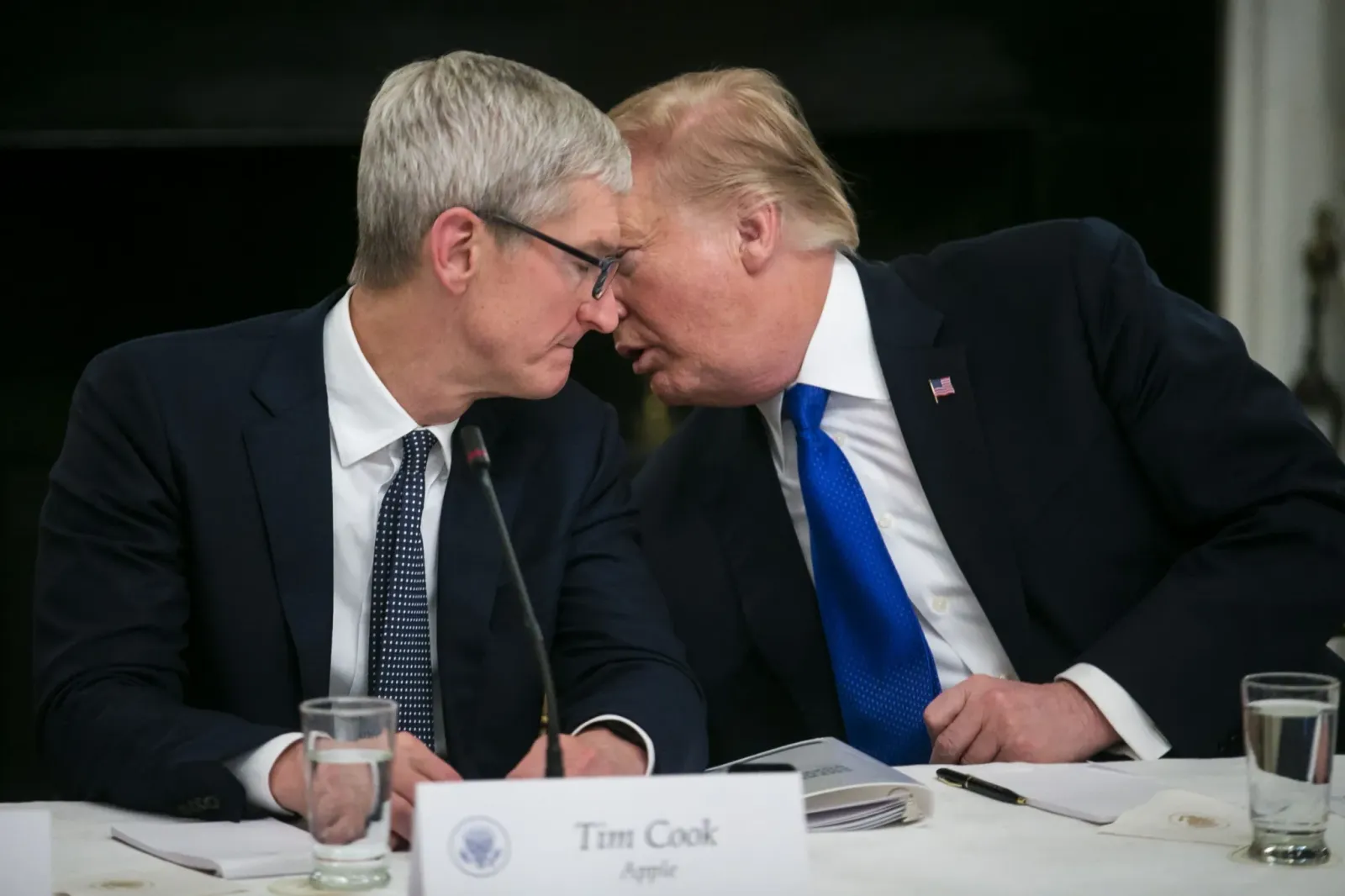
Tim Cook steps down as Apple CEO, stays on as chair with $45M equity
The 'Trump whisperer' keeps his White House and Beijing access as Apple navigates tariffs and a $4.6 trillion market cap.
Snowflake shares surge as AI data demand crushes estimates, lifting full-year forecast
Stocks jumped on stronger-than-expected guidance, signaling enterprise AI workloads are accelerating faster than Wall Street priced in.
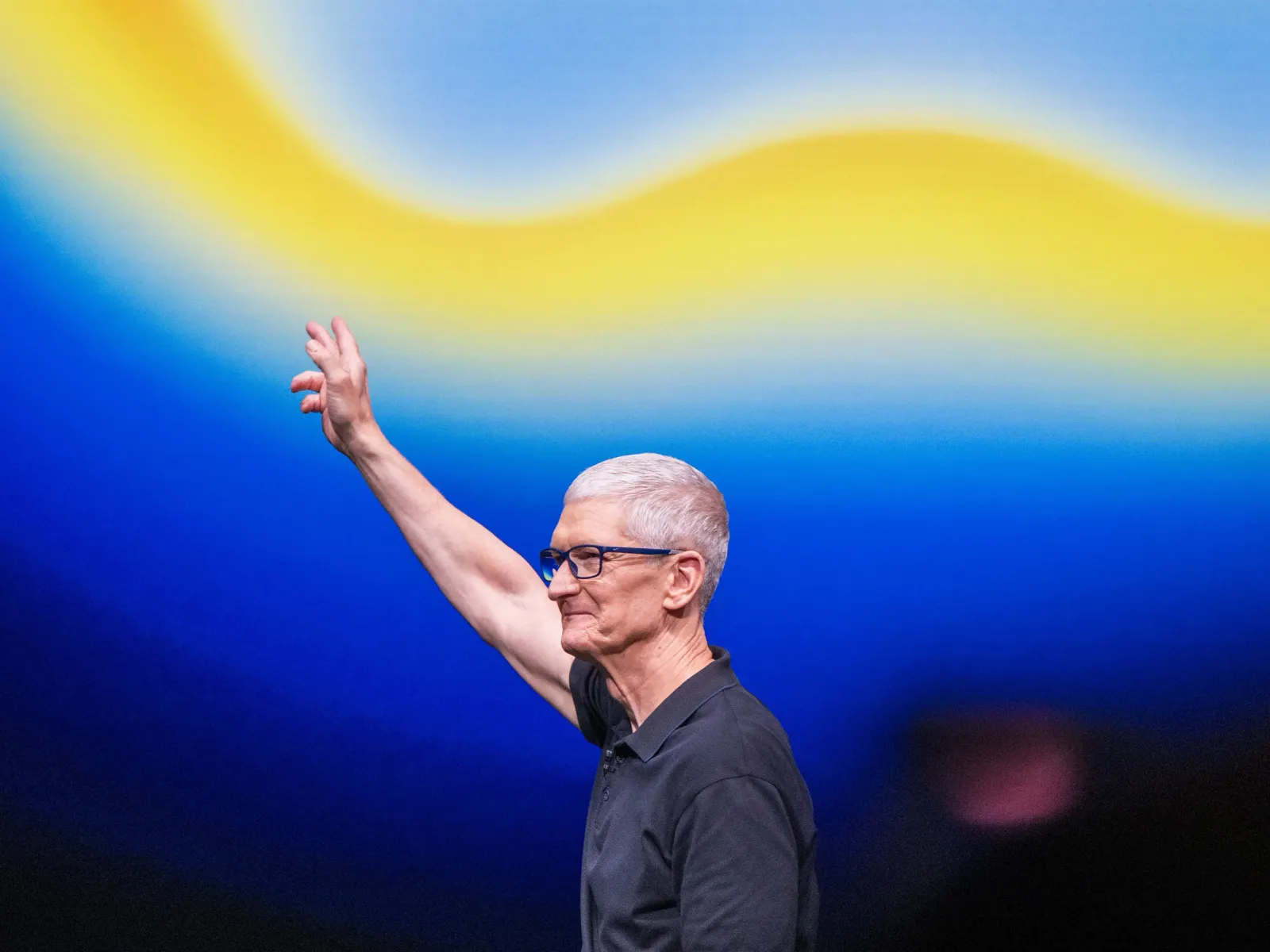
Tim Cook's 15-year Apple CEO run ends: 3 lessons for any successor
After 15 years, Tim Cook hands Apple to John Ternus - here's how he turned a $350B company into a $4.6T juggernaut.