
Labour’s Keir Starmer vows to end rough sleeping in first PM speech, again
His “end rough sleeping” pledge repeats an earlier promise from his Manchester mayor days, raising the big question: can policy deliver this time?
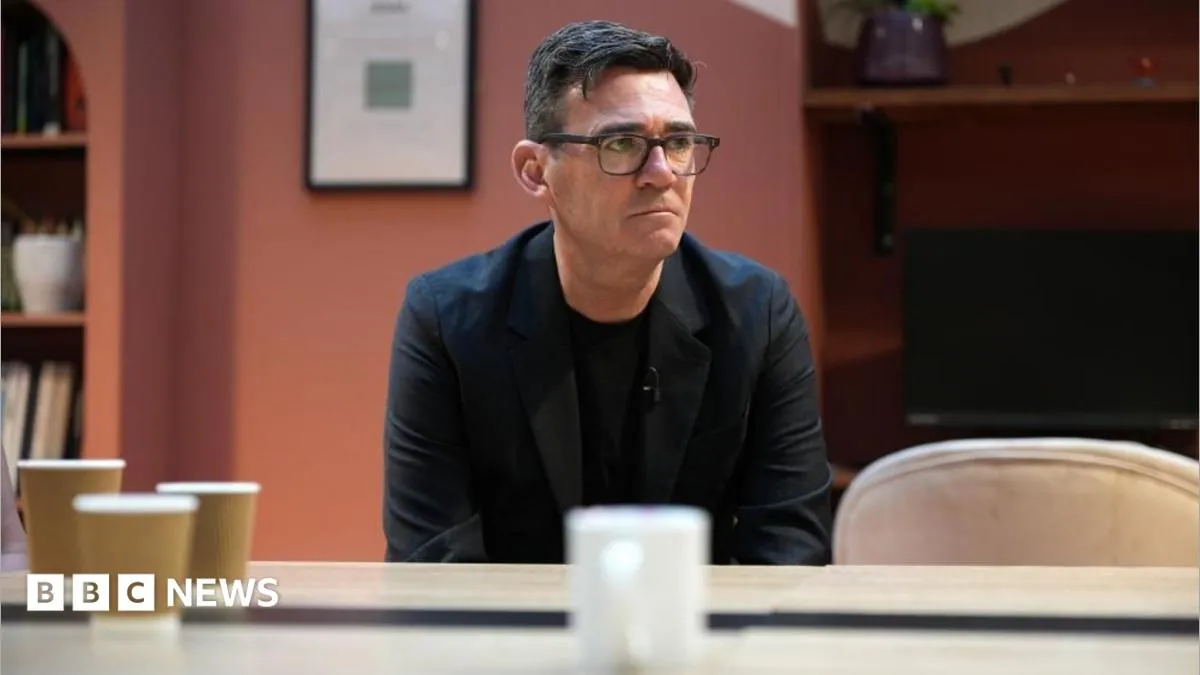
Labour leader Keir Starmer made a pledge to end rough sleeping in his first speech as prime minister. The BBC notes he made a similar pledge as Greater Manchester mayor but failed to achieve it.
Keir Starmer pledged to end rough sleeping in his first speech as prime minister. The point is not that it is a nice intention. The point is that the pledge is a repeat performance, because the BBC reports he had already made a similar promise while he was Greater Manchester mayor, and he failed to achieve it.
For decision-makers, this is the kind of detail that changes how you read every follow-on line in a policy agenda. When a leader makes the same commitment in a new job, it is either a sign of persistent seriousness or a sign of unresolved delivery problems from a previous mandate. In Starmer’s case, the record mentioned by the BBC forces a reckoning up front: the goal is the same, but the outcome previously did not match.
To understand why this matters beyond political headlines, you have to look at how rough sleeping policy typically works in practice. Ending rough sleeping is not one lever you can pull like turning down a thermostat. It is usually a stack of coordinated interventions, ranging from emergency accommodation and outreach to health and addiction support, plus longer-term housing pathways. Even when funding exists, implementation can stall due to capacity constraints, fragmented responsibilities across local authorities, and the time lag between spending and measurable results. In other words, the pledge might be correct on principle, but delivery is a systems problem.
The BBC reference to Starmer’s earlier role as Greater Manchester mayor is a reminder that mayors and central governments often run into a similar tension: they control some parts of the pipeline but not all of them. Housing supply, benefit rules, mental health capacity, and policing or safeguarding dynamics sit in a wider web of institutions. A mayor can coordinate and prioritize, but the outcomes depend on national frameworks, partner agencies, and sustained operational throughput. When a promise repeats after a prior shortfall, boards and senior managers in public sector-adjacent work tend to ask a harder question: what changed, specifically, in incentives, governance, or resourcing?
There is also the governance question of accountability. In politics, pledges often function as signaling devices, setting direction for bureaucracies and partners. In management terms, they are targets. But targets without credible delivery architecture tend to become political artifacts: something everyone agrees on, and then nobody can operationalize fast enough. Rough sleeping is especially vulnerable to this, because the visibility of the problem creates pressure, but the underlying causes are multi-factor.
Another second-order implication is how this pledge will shape expectations for cross-agency collaboration. Starmer’s repeated commitment effectively sets a public scoreboard. That can push agencies to coordinate more aggressively. But it can also create brittle planning if performance metrics are treated like PR wins rather than operational milestones. For example, officials may focus on short-term reductions in visible rough sleeping rather than longer-term placement stability, or on outputs like outreach visits rather than durable exits from the street. The BBC’s mention that the earlier pledge was not achieved means skeptics will look for whether the new government addresses the “how,” not just the “what.”
Zooming out, this moment is a lesson for any executive or board operating in complex systems with public-facing outcomes. When a leader makes the same vow after a failed attempt, it is not automatically a condemnation. It is a prompt to examine the delivery model: who owns what, how progress is measured, what constraints are fixed, and what gets funded or cut. For peers tracking this agenda, the stake is straightforward. If the new government fails again, the cost is not only reputational. It deepens cynicism, strains budgets, and can make future reforms harder to sell.
So the strategic takeaway from the BBC report is simple but uncomfortable: Starmer’s first PM speech includes a pledge to end rough sleeping, but the article flags that he previously made a similar promise as Greater Manchester mayor and did not deliver. The gap between promise and performance is now the central story. The next phase will be about whether the policy apparatus can close that gap with concrete implementation, not just renewed ambition.
This story's Key Insights and Take-aways are locked.
Create a free account to unlock Executive Actions for one credit.
Register to UnlockAlways free for Executives Club members. Join the Club
More in Politics

LA County: DOJ's 20,000 'noncitizen' voter list is 'unreliable,' includes U.S.-born
Preliminary review by Los Angeles County election officials finds errors in the federal list, raising the stakes for voter roll integrity ahead of November.

Trump's $1.5B Pentagon chip investment lands in North Carolina
A $1.5 billion defense infusion for North Carolina chipmaking signals a new era of Pentagon-backed reshoring - here's what it means for the industry.

Nigeria confirms first Ebola case in Abuja, a woman just off a Uganda flight
Health Minister Muhammad Ali Pate says the patient flew in from Uganda, putting Africa's latest outbreak on Nigeria's doorstep.