
Leon Black Skips Deposition, Sues to Block Epstein Subpoenas
The Apollo co-founder is fighting a House committee's demand for NDAs he may have signed with women, a move that could test subpoena power.

Leon Black, billionaire co-founder of Apollo Global Management, skipped a deposition and filed suit to block House committee subpoenas for nondisclosure agreements he may have made with women. The legal fight signals a new front in congressional scrutiny of Epstein-linked executives and could set a precedent for how far oversight can reach.
Leon Black did not show up. On Thursday, the billionaire co-founder of Apollo Global Management skipped a deposition and instead filed a lawsuit seeking to block a House committee's subpoenas demanding nondisclosure agreements he may have made with women. The move is a direct challenge to congressional oversight, turning a routine request for testimony into a legal battle that could ripple far beyond one man's Epstein ties.
The House committee, which is investigating the late financier Jeffrey Epstein's network, had subpoenaed Black for NDAs he may have signed with women. Black's lawsuit argues the subpoenas overreach, and his decision to sue rather than comply is a deliberate escalation. For executives watching from the sidelines, this is not just a celebrity billionaire's legal spat - it is a test of whether Congress can compel private documents from individuals who are not government officials, especially when those documents are shielded by confidentiality agreements.
Black's history with Epstein is well documented. The Apollo co-founder stepped down as CEO in 2021 after scrutiny over his financial dealings with Epstein, including payments for tax and estate planning advice. He has acknowledged those payments but denied any involvement in Epstein's crimes. The committee's interest in his NDAs suggests it believes those agreements could reveal patterns of coercion or cover-ups involving women connected to Epstein. If the committee gets its hands on them, it could open a window into how wealthy men used legal contracts to silence accusers - a theme that has already reshaped boardrooms and #MeToo-era accountability.
For Black, the stakes are personal and financial. A forced release of NDAs could expose him to new lawsuits, reputational damage, and potential regulatory action. But his lawsuit also carries strategic weight: by challenging the subpoenas in court, he buys time and forces the committee to justify its demands. That is a playbook familiar to executives under investigation - delay, litigate, and hope the political spotlight fades. Yet it is a risky one. Courts have historically been deferential to congressional subpoenas when they are tied to a legitimate legislative purpose, and Epstein's network is squarely within that scope.
The broader implication for corporate leaders is uncomfortable. If Black loses, it signals that NDAs - long a standard tool for settling harassment and discrimination claims - are not immune from congressional reach. Boards and executives who have used such agreements to resolve disputes may suddenly find those documents subject to oversight, especially if they involve figures with public-interest ties. That could force a re-evaluation of how companies handle confidential settlements, with an eye toward whether they can withstand a subpoena.
There is also a political dimension. The House committee's investigation is part of a broader push to hold Epstein's associates accountable, a cause that has drawn bipartisan support. Black's lawsuit could become a rallying point for critics who argue that billionaires are above the law, while his defenders will frame it as a necessary check on government overreach. Either way, the case is likely to attract amicus briefs from business groups and civil liberties organizations, each with their own stake in the outcome.
For now, the immediate question is whether a judge will grant Black's request to quash the subpoenas. That decision could come within weeks, and it will set the tone for how aggressively Congress can pursue Epstein-related documents. If Black succeeds, other executives may feel emboldened to resist similar demands. If he fails, the floodgates could open - not just for Epstein's circle, but for any company that has used NDAs to bury misconduct.
Executives in similar positions should watch this case closely. The legal strategy Black is deploying - skip the deposition, sue first, argue procedural overreach - is a template that could be replicated. But it comes with a reputational cost that no court can mitigate. In the court of public opinion, skipping a deposition and suing Congress rarely reads as transparency. For leaders who value their standing with investors, employees, and regulators, that trade-off may be the steepest price of all.
This story's Key Insights and Take-aways are locked.
Create a free account to unlock Executive Actions for one credit.
Register to UnlockAlways free for Executives Club members. Join the Club
More in Business
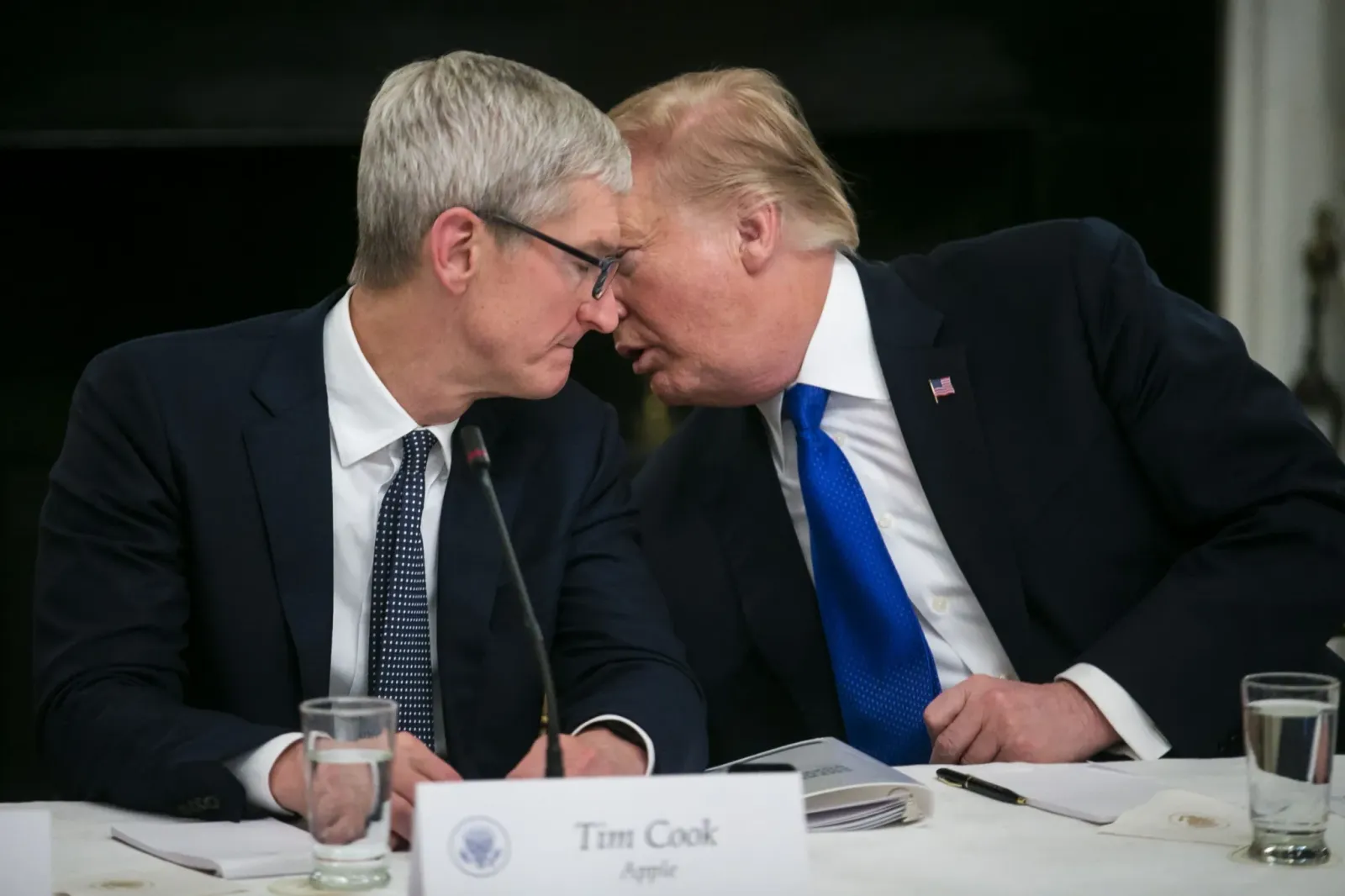
Tim Cook steps down as Apple CEO, stays on as chair with $45M equity
The 'Trump whisperer' keeps his White House and Beijing access as Apple navigates tariffs and a $4.6 trillion market cap.

Snowflake shares surge as AI data demand crushes estimates, lifting full-year forecast
Stocks jumped on stronger-than-expected guidance, signaling enterprise AI workloads are accelerating faster than Wall Street priced in.

Tim Cook's 15-year Apple CEO run ends: 3 lessons for any successor
After 15 years, Tim Cook hands Apple to John Ternus - here's how he turned a $350B company into a $4.6T juggernaut.