
“Leviticus” turns conversion therapy panic into romantic horror, inspired by gay-rights “regression”
Adrian Chiarella’s debut channels a specific fear: LGBTQ rights backsliding into coercion, then demonic pursuit.

Writer-director Adrian Chiarella’s romantic horror film “Leviticus,” opening in theaters Friday, was shaped by anxiety about LGBTQ rights, including what he calls a “regression” of gay rights. The movie’s premise links religious conversion therapy to supernatural retaliation, putting cultural and regulatory pressure into genre.
“Leviticus” was born from a place of anxiety. That matters because the fear driving the film is not just personal dread, it is the broader sense that LGBTQ rights can slide backward. In the film that opens in theaters Friday, the first feature-length project from writer-director Adrian Chiarella, two teen boys in Australia fall in love, but after a dark, religious conversion therapy, they’re pursued by demonic forces that look like something more than imagination.
The “regression” angle is the connective tissue. Chiarella’s inspiration points to a world where legal and social progress is treated like it can be reversed, and where that reversal can show up in coercive systems, including religious conversion therapy. That is the fuel for the movie’s mix of romance and horror. The love story is the setup, the conversion therapy is the rupture, and the supernatural chase is the emotional bill coming due.
If you are a decision-maker watching media and culture, this is a useful reminder that content does not land in a vacuum. Horror has long been a wrapper for social panic, but the specific choice here matters: the film doesn’t just mention conversion therapy as a background concept. It uses it as the plot event that triggers the chase. That is an important distinction for executives assessing audience reaction, because it signals the film is aiming at a real-world emotional target, not a purely escapist scare.
For studios, filmmakers, and investors, the stakes sit at the intersection of audience segmentation and reputational risk. Romantic horror is already a niche hybrid. Add LGBTQ themes shaped by fear of rights backsliding, and you get an even sharper audience geometry. Supporters may view the movie as an indictment of coercion and a cathartic response to anxiety about what happens when rights erode. Critics may accuse it of exploiting trauma for horror thrills. Either way, the film’s premise is built to create strong reactions, which is exactly what marketing teams want and exactly what brands want to manage carefully.
There is also a regulatory and policy backdrop executives will recognize, even when the story is fictional and supernatural. Conversion therapy has been widely debated and, in many jurisdictions, restricted or regulated. The phrase “regression of gay rights” is effectively a shorthand for a political environment where protections are contested, exemptions are fought over, and cultural momentum can reverse. When creators name that dynamic as inspiration, they are not only shaping a narrative. They are tapping into an ongoing governance conversation that audiences follow through headlines, school board fights, and legislative processes.
That governance conversation affects how films get financed, distributed, and discussed. Platforms and distributors often weigh who might be offended, who might boycott, and how quickly a controversy could spread. At the same time, attention is oxygen in entertainment. A film that opens in theaters Friday, backed by a clear thematic thesis, can outperform purely by capturing the moment. Not because every viewer agrees, but because everyone understands the stakes being dramatized.
Even the genre mechanics serve the idea of backsliding into coercion. Romance is built on trust and hope. Conversion therapy is built on control, shame, and forced “correction.” Then the demonic pursuit arrives like an externalization of internal fear. In other words, the film’s structure mirrors the anxiety driving it: progress is not guaranteed, coercion can recur, and the aftermath is something you cannot simply “move on from.” For a writer-director, that is a high-wire act. For a business team, it is also a high-clarity signal: the movie is designed to be talked about.
For peers in media, tech, and adjacent sectors, the second-order implication is this: narratives that directly reference social regression can become culture-war flashpoints, but they can also become alignment engines for communities that feel seen. Boards and executives should treat these projects as both creative bets and cultural risk calculations. If “Leviticus” lands, it may do more than win a weekend box office. It could reinforce a template for how creators will translate real-world anxiety about LGBTQ rights into genre form, and that template will travel across platforms, not just theaters.
This story's Key Insights and Take-aways are locked.
Create a free account to unlock Executive Actions for one credit.
Register to UnlockAlways free for Executives Club members. Join the Club
More in Entertainment

Norman Reedus exits The Walking Dead after 16 years as Daryl Dixon
A 16-season Daryl Dixon era ends, and it reshapes how TV studios hedge risk in long-running franchises.

‘Obsession’ tops $300M worldwide for Focus Features as Focus goes back-to-back for hits
Curry Barker’s third Universal-Blumhouse-Atomic Monster movie clears $300M globally, while Mando and Baby Yoda “get lost” stateside in the Backrooms.
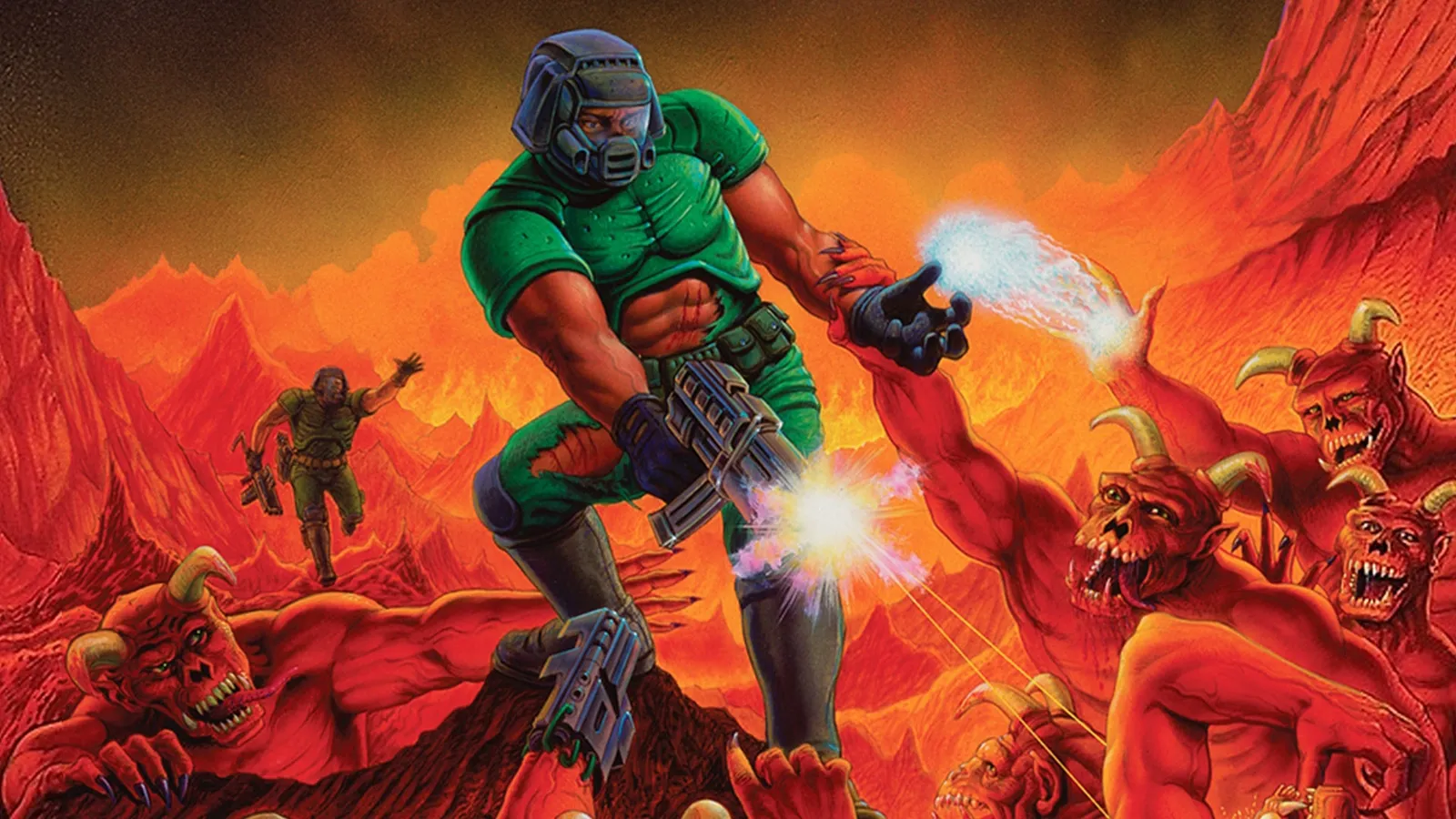
Bobby Prince, Doom composer, dies at 81, just after Doom’s National Recording Registry induction
His family confirmed his death Tuesday, June 16, and the impact of his metal-infused game soundtracks keeps echoing.