
Norman Reedus exits The Walking Dead after 16 years as Daryl Dixon
A 16-season Daryl Dixon era ends, and it reshapes how TV studios hedge risk in long-running franchises.
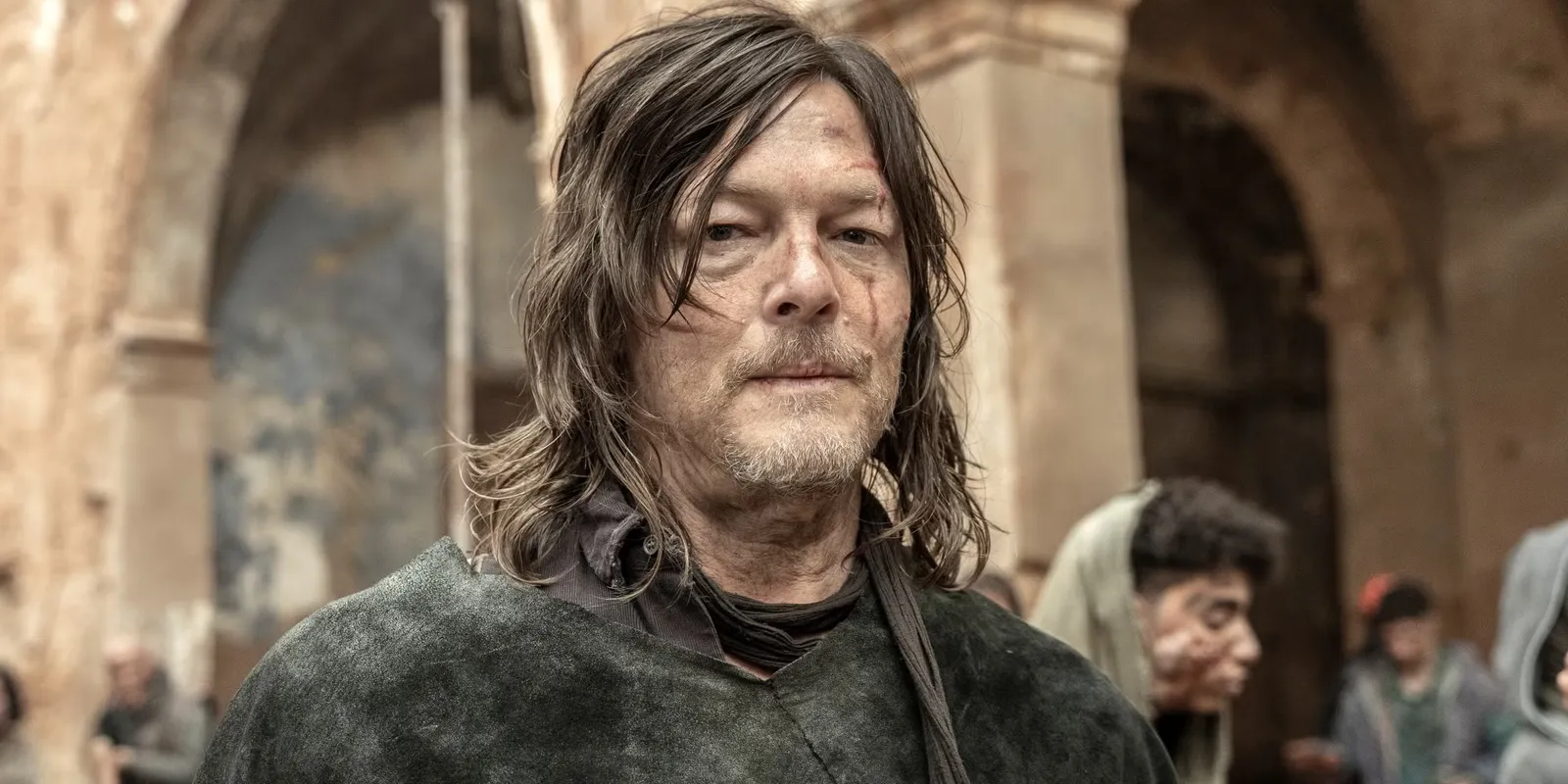
Norman Reedus has officially said goodbye to The Walking Dead after 16 years playing Daryl Dixon, a role that carried through all 11 AMC seasons and later expanded into games and the spin-off The Walking Dead: Daryl Dixon. For decision-makers, the move is a reminder that even the stickiest IP needs a continuity plan when a lead character finally leaves.
Nearly 16 years after Daryl Dixon first wandered into The Walking Dead’s post-apocalypse looking for his brother, Norman Reedus has now officially said goodbye to the franchise. Reedus’ on-screen companion, Daryl, ended up becoming one of the few fan-favorite survivors to make it through all 11 seasons of AMC’s juggernaut series, and his departure signals a real breakpoint, not just a character transition.
This is not happening in a vacuum. Daryl has stayed central to the wider universe even after the core show ran, with Reedus also appearing in video games and later getting his own spin-off, The Walking Dead: Daryl Dixon, alongside Carol Peletier, played by Melissa McBride. Reedus is also known beyond AMC, with credits including The Boondock Saints, The Bikeriders, Hideo Kojima’s Death Stranding, and his Daryl work helping elevate him to superstardom. Now, the Daryl era is coming to an end.
If you’re an executive watching how IP behaves, this kind of exit is a high-stakes operational problem. Long-running franchises often build something like an informal safety net: dependable characters, dependable audience habit, and an ecosystem of spin-offs, merchandise, games, and “universe” marketing that all reinforce each other. The source notes Daryl’s expansion beyond the original series into video games and a dedicated spin-off, which matters because it turns one performer’s role into multiple revenue and engagement channels. When the anchor changes, those channels need rebalancing.
There’s also a brand and audience-management angle. Daryl Dixon did not just “appear” in The Walking Dead; he became one of the few survivors to push through all 11 seasons. That kind of continuity creates identity. Viewers learn to map emotion and plot expectations onto a specific character. When a performer publicly moves on after that long a tenure, studios have to decide what happens to the emotional contract the character represented: Do they pivot to new leads, rely on existing supporting cast, or structure the next era as an ensemble that avoids putting all weight on a single role? The source doesn’t tell you the studio plan, but it does show why executives can’t treat this as a footnote.
Reedus’ departure also highlights why casting and talent strategy is inseparable from content strategy. The source is explicit that Daryl was part of Reedus’ most recognizable role and helped elevate him to superstardom. That means the studio was not just working with a character audience, it was also working with a talent-driven brand. In a business where attention is a finite resource, a lead character can act like a marketing multiplier. Remove the multiplier, and you need a replacement mechanism to keep discovery and retention from dropping.
From an industry mechanics standpoint, it’s worth noting how “universe” properties can be more resilient than any single series, but not immune to disruption. The source lays out the pattern: Daryl stayed relevant across the mainline run, then extended into other formats, including video games and The Walking Dead: Daryl Dixon. That suggests the franchise’s strategy leaned toward cross-platform continuity. Yet it also underlines the fragility of that strategy when the central figure finally exits. Cross-media investments are easier to justify when the character remains available as a consistent touchpoint. Once the performer leaves the character’s on-screen life, timelines, story frameworks, and production planning need to adjust.
Second-order implications show up in board-level conversations about risk, sequencing, and runway. A character exit after 16 years is long enough that studios and partners have made multiple decisions assuming the character’s ongoing presence. Even if the franchise can continue without Reedus, the financial and operational question is how quickly the next audience hook can form. The source does not cite regulator involvement, but traditional media oversight still frames the environment: studios operate under content standards and distribution constraints across regions, and the practical reality is that scheduling and compliance pipelines are built for predictable production rhythms. Talent departures can create schedule compression, renegotiation needs, and story reshuffling, which are business headaches even when no “regulatory” event occurs.
For peers in similar roles, the strategic stake is simple: longevity builds trust, and trust eventually demands a plan. Reedus’ Daryl Dixon journey runs from the early days of The Walking Dead through 11 seasons and then outward into games and a spin-off with Carol Peletier. That is exactly the kind of franchise scaffolding that looks stable until the day it isn’t. When a central figure says goodbye after 16 years, executives need to know what holds the universe upright next, and whether the audience knows where to put its loyalty now.
This story's Key Insights and Take-aways are locked.
Create a free account to unlock Executive Actions for one credit.
Register to UnlockAlways free for Executives Club members. Join the Club
More in Entertainment

“Leviticus” turns conversion therapy panic into romantic horror, inspired by gay-rights “regression”
Adrian Chiarella’s debut channels a specific fear: LGBTQ rights backsliding into coercion, then demonic pursuit.
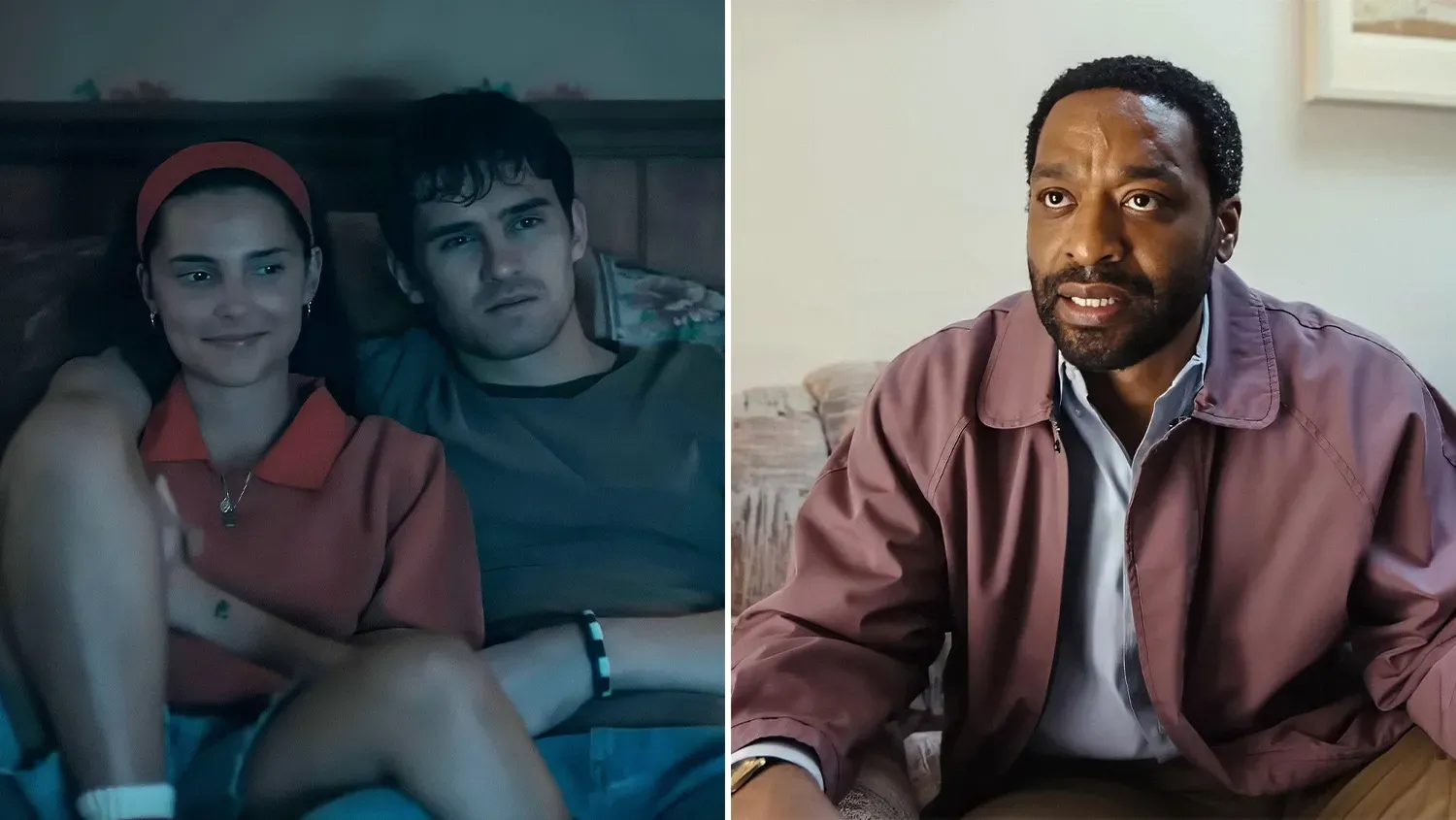
‘Obsession’ tops $300M worldwide for Focus Features as Focus goes back-to-back for hits
Curry Barker’s third Universal-Blumhouse-Atomic Monster movie clears $300M globally, while Mando and Baby Yoda “get lost” stateside in the Backrooms.
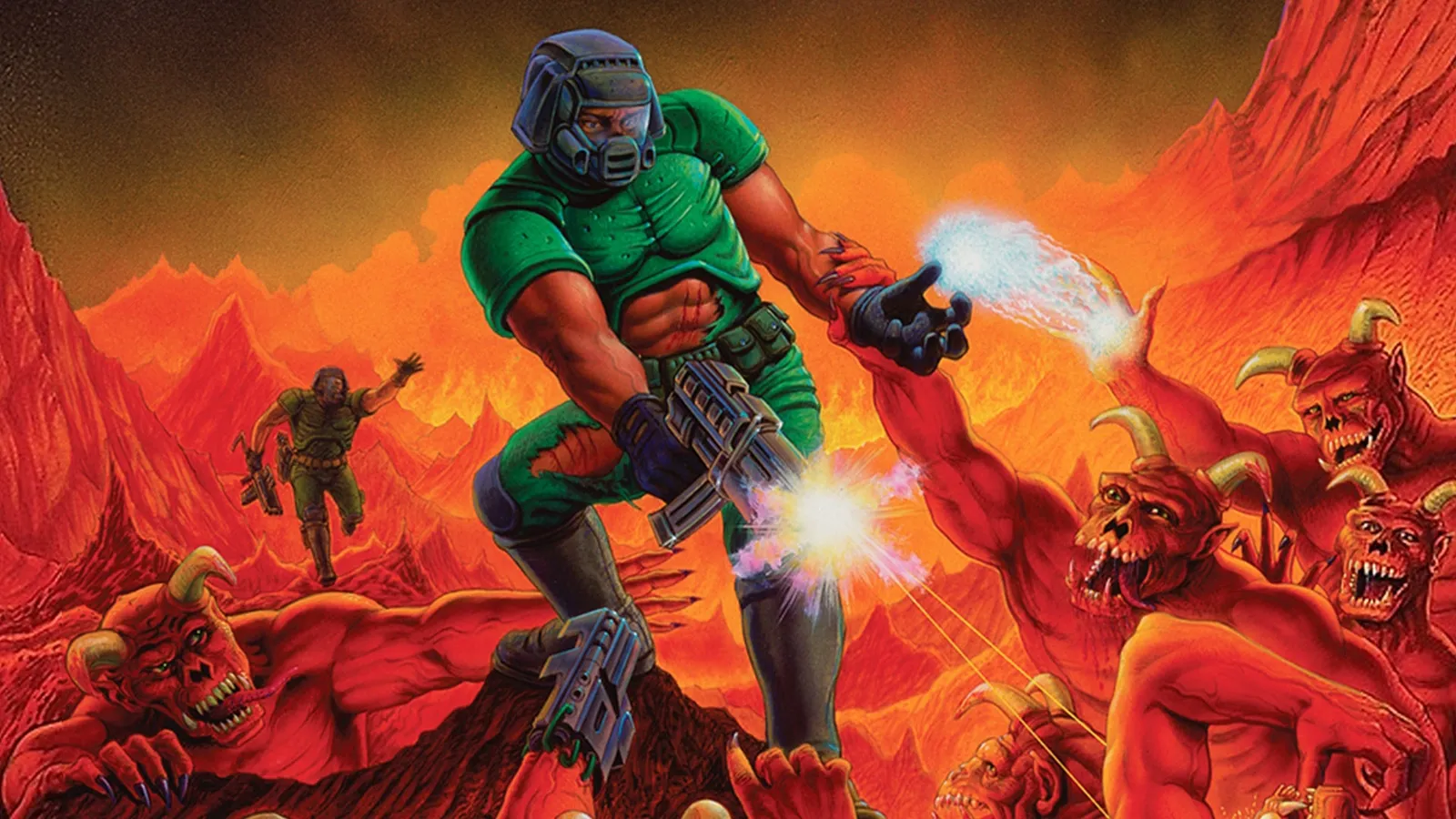
Bobby Prince, Doom composer, dies at 81, just after Doom’s National Recording Registry induction
His family confirmed his death Tuesday, June 16, and the impact of his metal-infused game soundtracks keeps echoing.