
Lorena Wiebes wins Tour de France Femmes opener, grabs first yellow jersey in Lausanne sprint
Wiebes takes the leader's jersey with a stage win over Kim Le Court and Demi Vollering, setting the tone early.
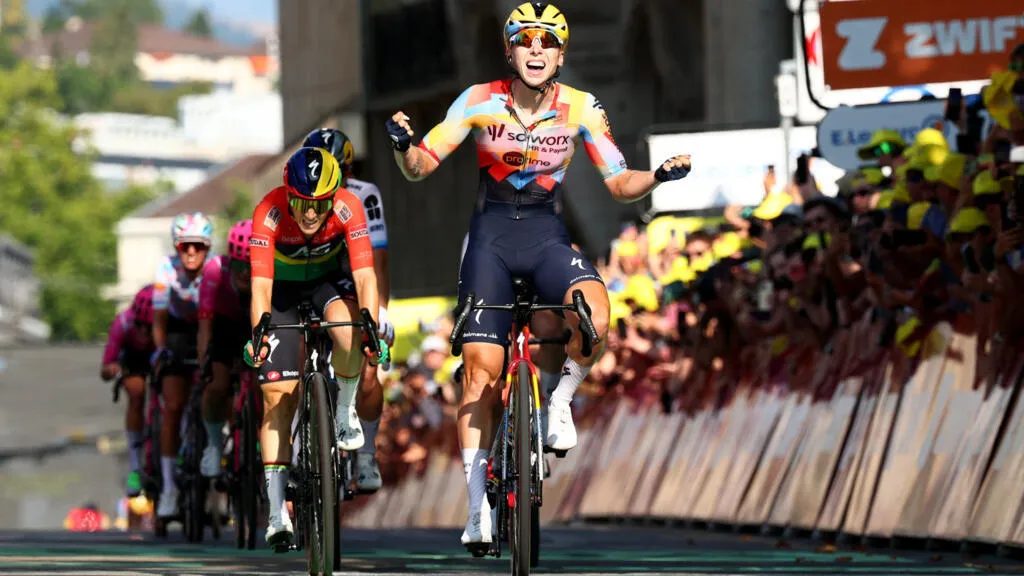
Dutch rider Lorena Wiebes won the Tour de France Femmes opening stage in Lausanne and claimed the first yellow jersey. For decision-makers, the result is a reminder that early execution, not late-season reputation, can define attention and momentum.
Lorena Wiebes didn't just win the opening stage of the Tour de France Femmes. She also grabbed the first yellow jersey after finishing ahead of Mauritian Kim Le Court and European champion Demi Vollering in a sprint finish in Lausanne on Saturday.
That matters because the yellow jersey is more than a symbolic ribbon. It changes how everyone around you behaves for the next days, including teams, rivals, and the race strategy choices that follow. When Wiebes powers into that position from the first day, she effectively sets the “game state” before most contenders have fully found their rhythm.
In cycling terms, the opener often acts like a stress test. Teams have to translate training into tactics under real pressure, with limited information about who is peaking and who is merely getting there. In this case, Wiebes proved she could win when the race collapsed into a sprint, and she did it in front of two names that the race already knows it will keep circling: Kim Le Court, and Demi Vollering, described in the report as a European champion. That combination makes the early standings feel more consequential than a routine stage result.
The sprint finish is a particularly important detail because it flips the kind of power you need. A sprint is not the same as a climb or a long breakaway. It rewards sharp positioning, explosive output, and timing in the final stretch. By winning that scenario, Wiebes signals that her team execution is tight and that her ability to finish fights for space at the front is real. And in a stage race, “finishing” is not only about individual strength. It is about how reliably a team can deliver a rider to the moment when the race turns into one decisive burst.
For executives and operators who track sports the way they track markets, early leadership can be framed as an attention and performance flywheel. The yellow jersey draws cameras, sponsors, and public focus. It also changes internal incentives for other teams. Instead of reacting to the race in general, rivals now have to plan for one specific benchmark: stopping Wiebes, neutralizing her ability to convert opportunities, or building a strategy that avoids putting her into favorable sprint setups. That is a different kind of competitive pressure than chasing a rider who only shows flashes.
There is also a second-order implication: narrative credibility. Demi Vollering is labeled as a European champion, and Kim Le Court is named explicitly as well. When Wiebes beats riders with those standing titles in the opening stage sprint, the market of belief shifts. Fans, partners, and even the teams themselves start treating Wiebes not as a potential winner, but as a current reference point. That can affect how teams allocate resources in the short term, including who is prioritized for protection, pacing work, and positioning.
If you zoom out beyond this particular weekend, stage races typically evolve into a cycle of adaptation. Teams revise tactics after each day’s data: who conserved energy, who spent too much to chase, which riders are struggling with late-race intensity, and who can still deliver at the end. With Wiebes in the yellow jersey immediately, future adjustments also include the psychological component of leading from day one. Other squads have to make decisions knowing that any lapse might be magnified into another headline moment.
Strategically, the key stakes are simple. Wiebes already has both pieces that define the next phase of the race: a stage win and the first yellow jersey. For peers in similar roles across sport and business, it is the same lesson that shows up everywhere high-pressure performance exists. Execution early can compress time for everyone else. It forces opponents to spend their advantage trying to catch up, not building momentum from a neutral starting line. In Lausanne, Wiebes did the catching first.
This story's Key Insights and Take-aways are locked.
Create a free account to unlock Executive Actions for one credit.
Register to UnlockAlways free for Executives Club members. Join the Club
More in Politics
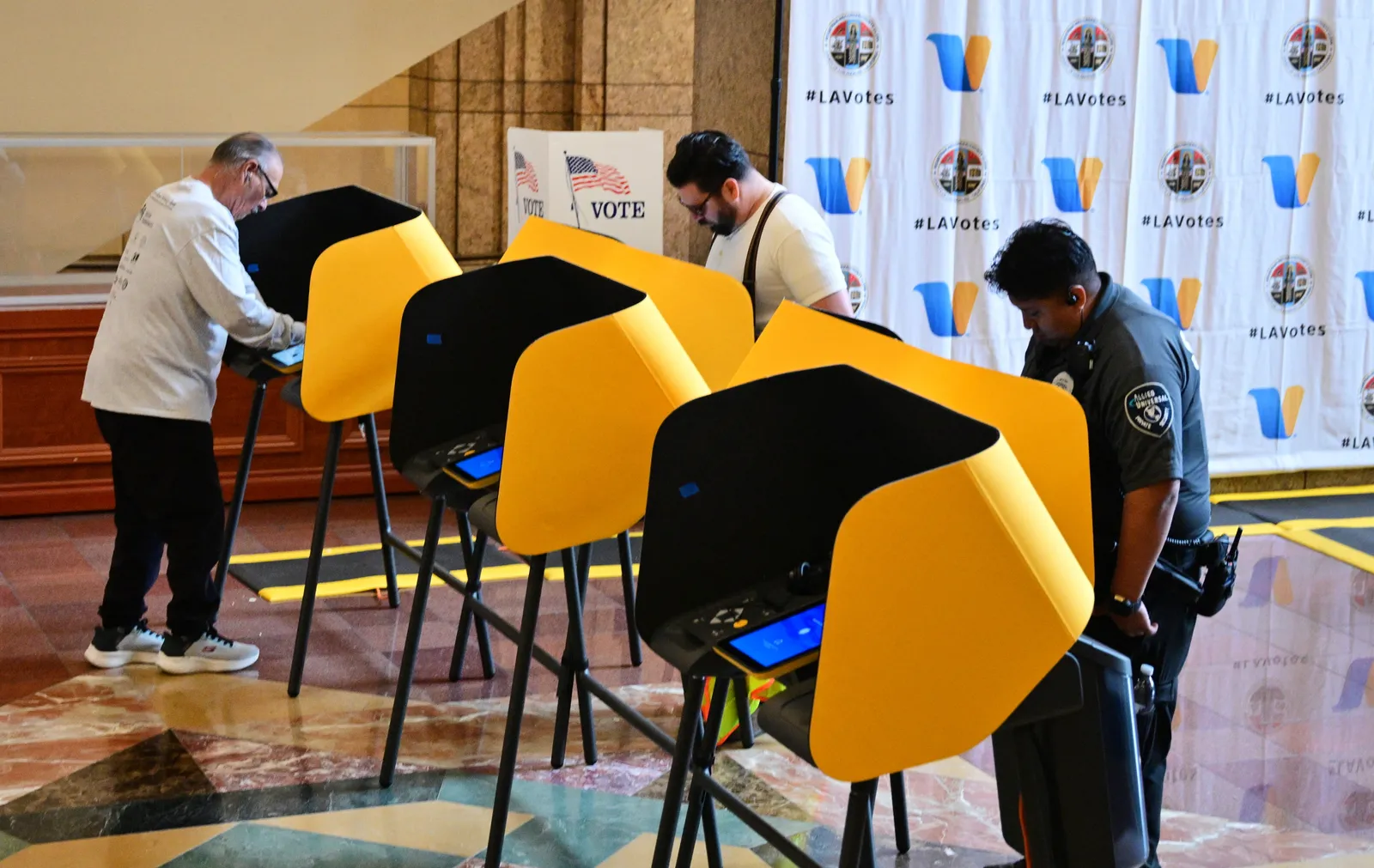
LA County: DOJ's 20,000 'noncitizen' voter list is 'unreliable,' includes U.S.-born
Preliminary review by Los Angeles County election officials finds errors in the federal list, raising the stakes for voter roll integrity ahead of November.

Trump's $1.5B Pentagon chip investment lands in North Carolina
A $1.5 billion defense infusion for North Carolina chipmaking signals a new era of Pentagon-backed reshoring - here's what it means for the industry.

Nigeria confirms first Ebola case in Abuja, a woman just off a Uganda flight
Health Minister Muhammad Ali Pate says the patient flew in from Uganda, putting Africa's latest outbreak on Nigeria's doorstep.