
macOS 26 ends Intel Macs for real, even as Safari and updates linger
The Intel-to-Apple-Silicon switch is winding down, but two more years of security patching complicate the goodbye.

Apple's upcoming macOS 27 release later this fall marks the point where the remaining Intel Macs become a shrinking, time-limited exception. The Intel Mac era is ending with macOS 26 Tahoe as the last chapter for security and Safari updates, while Rosetta compatibility still has a future.
The Intel Mac story is finally landing. macOS 27 arrives later this fall, and with it comes the practical end of an era: the last handful of Intel Mac models that can run macOS 26 Tahoe will still get eligible security and Safari updates for two more years. After that, the Intel-specific compatibility pieces, including elements of the Rosetta layer that can run Intel code on Apple Silicon Macs, will persist in some form for an indeterminate amount of time.
So yes, macOS 26 is the last chapter of the Intel Mac story. Anything after that is more like a coda or an epilogue: smaller, constrained, and increasingly about cleanup than innovation. Most of the coverage around WWDC has been forward-looking, so this is a deliberate backward glance at what made the Intel era such a big deal, and why that same partnership between two companies eventually stopped feeling like progress.
To understand why the switch happened, you have to start with the core dynamic of platform transitions: every major architecture change forces a tradeoff between momentum and risk. Intel Macs were, for a long time, a win for the Mac ecosystem, because the partnership made Macs dramatically better. In the early and middle parts of the Intel Mac era, improvements to performance and capability fed into developer confidence and user expectations. That matters for executives because it is not just about a technical milestone. It changes the cost of staying current. It also affects how quickly teams can stop carrying “legacy burdens,” and how rapidly new software can assume modern capabilities.
Then came the moment when that same partnership started to do the opposite. The source frames it bluntly: the Intel Mac era that made Macs better eventually started making them worse. That is the uncomfortable punchline of platform strategy. When the platform you rely on becomes the bottleneck, the whole roadmap starts bending toward workarounds. Over time, you do not just lose performance. You lose architectural coherence, you pay for translation layers, and you force software and hardware teams to keep one eye on compatibility rather than growth.
Apple Silicon did not merely replace Intel. It shifted the center of gravity, and it created a new compatibility reality. The Rosetta compatibility layer for running Intel code on Apple Silicon Macs is a good example of what executives should notice when planning transitions: compatibility mechanisms can be temporary in theory, but they can become semi-permanent in practice. The source is explicit that elements of Rosetta will be with us in some form after the two-year security and Safari update window, for an indeterminate amount of time. That is a reminder that migration timelines are never as clean as roadmaps suggest. They are shaped by user installed base, enterprise needs, and the long tail of applications that cannot or do not switch instantly.
Now connect this to why the lingering updates matter. Security and Safari updates are not “nice to have” features, especially at the level where budgets, compliance, and risk management live. The source says the last Intel models eligible for macOS 26 Tahoe can run will get security and Safari updates for two more years. That means decision-makers still have a window in which staying on older Intel hardware is not immediately reckless from a patching perspective. But it is also a countdown. After the update window, the business calculus changes from “supported” to “unsupported,” and that difference shows up in procurement, IT policy, and how confidently teams can run customer-facing workflows.
Regulatory and policy framing is not front-and-center in the source text, but the implications are obvious in boardrooms: security update eligibility is a risk control, and browser update support affects everything from web app compatibility to vulnerability exposure. When those supports end, organizations often face abrupt budget pressure for refresh cycles. That tends to hit operations leaders and CFOs hardest, because the migration is no longer a strategic choice. It becomes a compliance requirement.
Finally, the “coda or epilogue” framing is not just nostalgic. It signals a strategic lesson for any executive managing platform bets. You can build a better era and still end up paying for it later if the bottleneck returns. Intel Macs were a partnership that made Macs dramatically better, until it started making them worse. Apple Silicon took over, but Apple still has to carry the compatibility load through mechanisms like Rosetta and through update eligibility windows. For peers planning their own transitions, the Intel era is a case study in how platform changes create long tails, how those tails outlive initial announcements, and how “the last chapter” is usually a process, not a single day.
This story's Key Insights and Take-aways are locked.
Create a free account to unlock Executive Actions for one credit.
Register to UnlockAlways free for Executives Club members. Join the Club
More in Technology

Nvidia's $89B data center quarter: the 9 companies cashing in
The AI buildout is minting fortunes beyond GPUs, and memory, cloud, and cooling suppliers are riding the same wave.
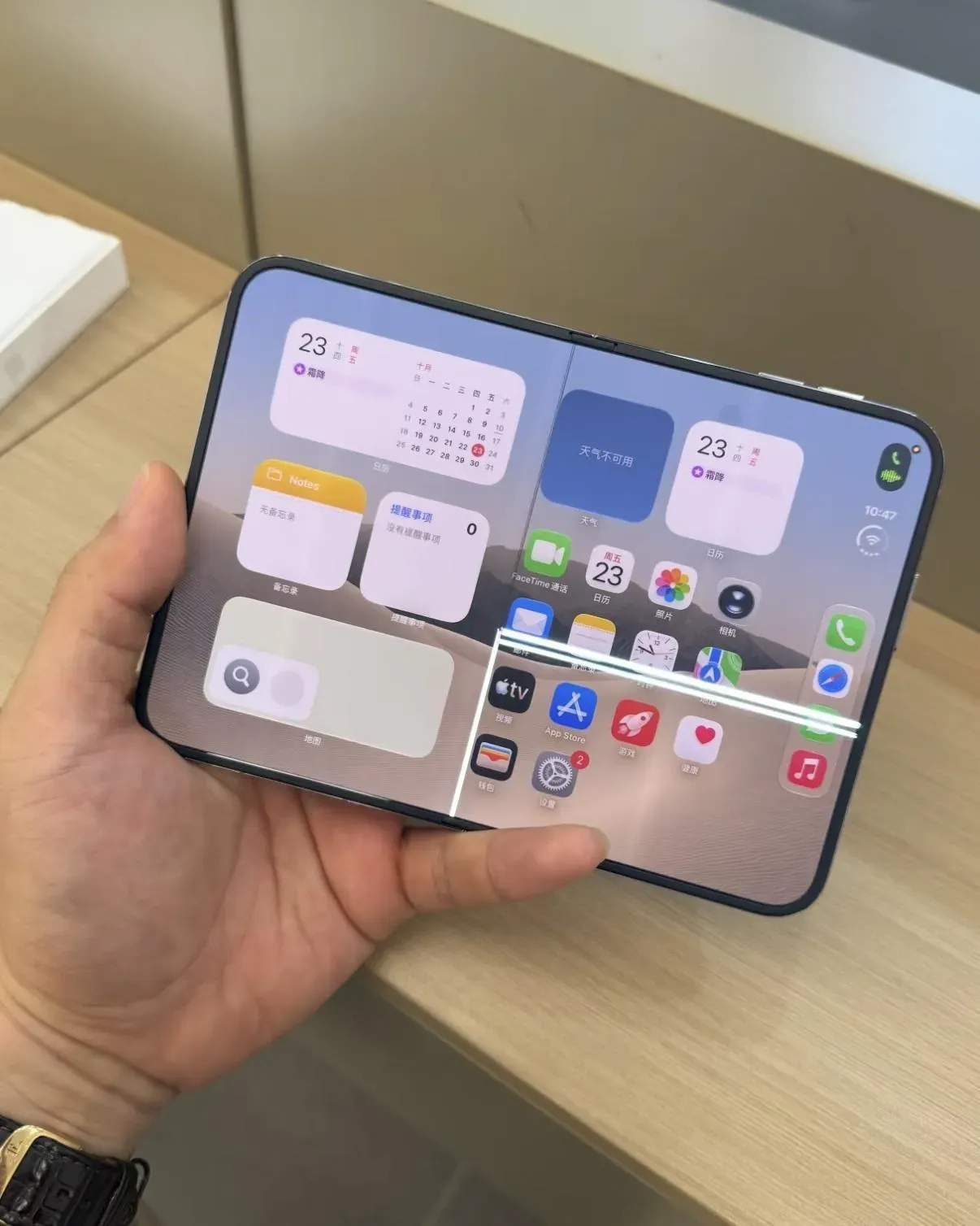
A YouTuber dissected the iPhone Duo and thinks he found crackgate's cause
CuriousHagi's teardown of Apple's foldable reveals a gear-like hinge that may explain why screens crack in the same spot within hours.

Google quietly links your phone number to every Android account on your SIM
Adding a SIM now ties your phone number to all Google accounts - and future accounts inherit it. Here's the security and privacy stakes.