

macOS 27 brings Siri back to the Mac desktop, everywhere you work
Apple’s latest macOS update makes Siri instantly accessible across the desktop, tightening the battle for AI-first computing.
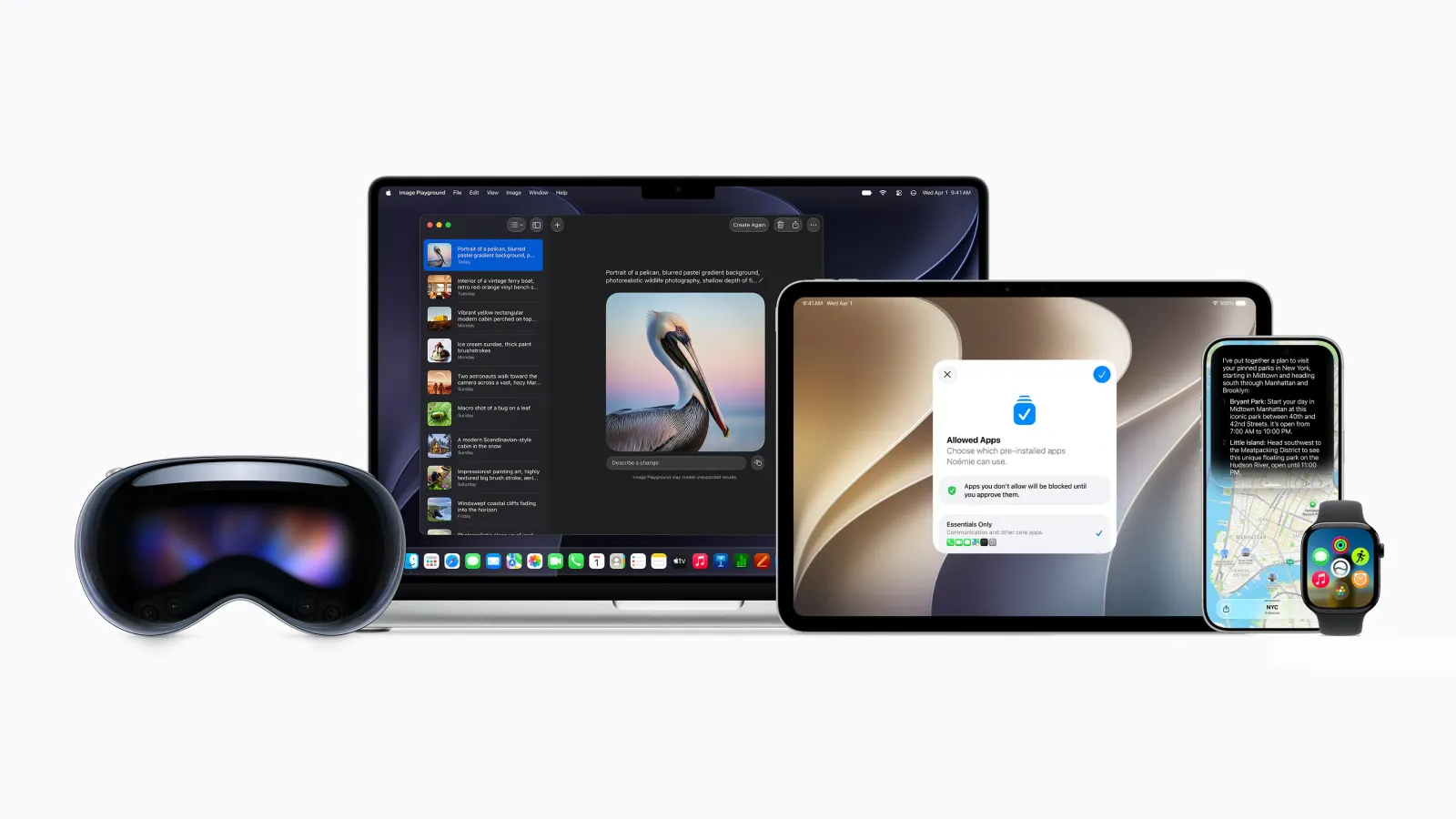
Apple has announced the latest version of macOS, with a major product focus on reintroducing Siri. Siri will now be accessible from anywhere on the Mac desktop, changing how users initiate and rely on the assistant.
Apple just announced the latest version of macOS, and the headline feature is not subtle. Siri is back, and importantly, it is now accessible from anywhere on the Mac desktop.
That one sentence is bigger than it sounds. “Anywhere” means Siri is no longer something you have to summon through a single, limited entry point. It is positioned as a persistent layer that can be reached while you are doing other things on the screen. For decision-makers, that is the practical difference between an assistant that feels like a tool and one that becomes part of the default workflow.
To understand why this matters, zoom out to how desktop computing already works. Macs are built around multitasking: multiple windows, fast context switching, and power-user habits. In that world, friction is everything. If an assistant requires a special mode, a separate interface, or a cumbersome launch step, people will use it less, even if it is “smart.” Make access immediate, and usage tends to rise. In other words, Apple is treating distribution and interaction design as the product.
There is also a quiet signal here about platform strategy. Apple is taking the AI assistant experience and moving it closer to the center of the operating system, rather than keeping it boxed into a narrower role. When a company expands where users can access an assistant, it is effectively expanding the assistant’s addressable surface area. That can shift user expectations over time, so that “help” becomes something that is available continuously, not something you request only when you specifically remember to.
From a governance and risk perspective, regulators and policymakers have been watching AI interfaces closely because they affect how people receive information, how they make decisions, and how easily the system can be prompted. While the source only states that Siri is accessible from anywhere on the desktop, the broader implication for governance is straightforward: assistants that sit closer to everyday actions expand the operational footprint that enterprises and IT teams need to evaluate. If Siri is reachable from any desktop context, organizations will likely treat it as part of the standard user experience, meaning they will want clarity on behavior, privacy, and controls.
Now for the market angle. Apple is not announcing macOS 27 in a vacuum; the desktop is where many AI product strategies are stress-tested. Consumers and professionals alike tend to judge assistant value by how well it integrates into existing routines. If Siri can be summoned from anywhere, it reduces the “start-up cost” of trying AI help. That can raise adoption not by changing the assistant’s underlying ambitions overnight, but by making the first interaction easier and the second interaction more likely.
There is also a competitive second-order effect for adjacent players: if Siri becomes the ubiquitous assistant layer on macOS, it sets a new baseline for what users expect on Apple hardware. Competing assistants, workflow tools, and productivity apps will have to account for the fact that the operating system itself offers an always-accessible entry point. In practical terms, that can pull attention away from separate assistants embedded inside apps, or it can force other products to differentiate on something beyond “you can ask questions.”
For executive teams at software and platform companies, the strategic stakes are simple. If Apple makes Siri the default assistant route, it can influence how users allocate time to AI-driven tasks on desktops. That affects engagement, subscription value, and the competitive map for AI-enabled productivity. And for boards evaluating platform direction, the lesson is that AI is not only a model race. It is also a user interface distribution race, and Apple is explicitly redesigning access to its assistant.
So the real news here is not just that Siri is reintroduced. It is that Apple is putting Siri into the places where people actually work, immediately and repeatedly. “Anywhere on the Mac desktop” is the kind of design decision that can quietly rewrite daily habits, and those habits can become sticky before anyone else figures out how to counter.
This story's Key Insights and Take-aways are locked.
Create a free account to unlock Executive Actions for one credit.
Register to UnlockAlways free for Executives Club members. Join the Club
More in Technology

OpenAI says 10,000 agents cracked a 90-year math problem in 88 hours
The company's claim is audacious, but one mathematician is pushing back. Here's what it means for AI-driven discovery.
Meta still serves child sexual abuse ads on Instagram in India - BBC report
A new report following the BBC Eye investigation says the ads are still there - what it signals for every platform with a self-serve ad engine.

White House yanks 'Build the Wall' game after Tetris Company copyright warning
The administration's arcade game vanished in hours - and the takedown playbook every brand can learn from.