
Macron unveils €6B Saudi-backed theme parks, France's biggest since Disneyland
Three parks, including a Dragon Ball attraction, land near Paris with 22,000 jobs-and a $6.5B bet on Gulf capital.
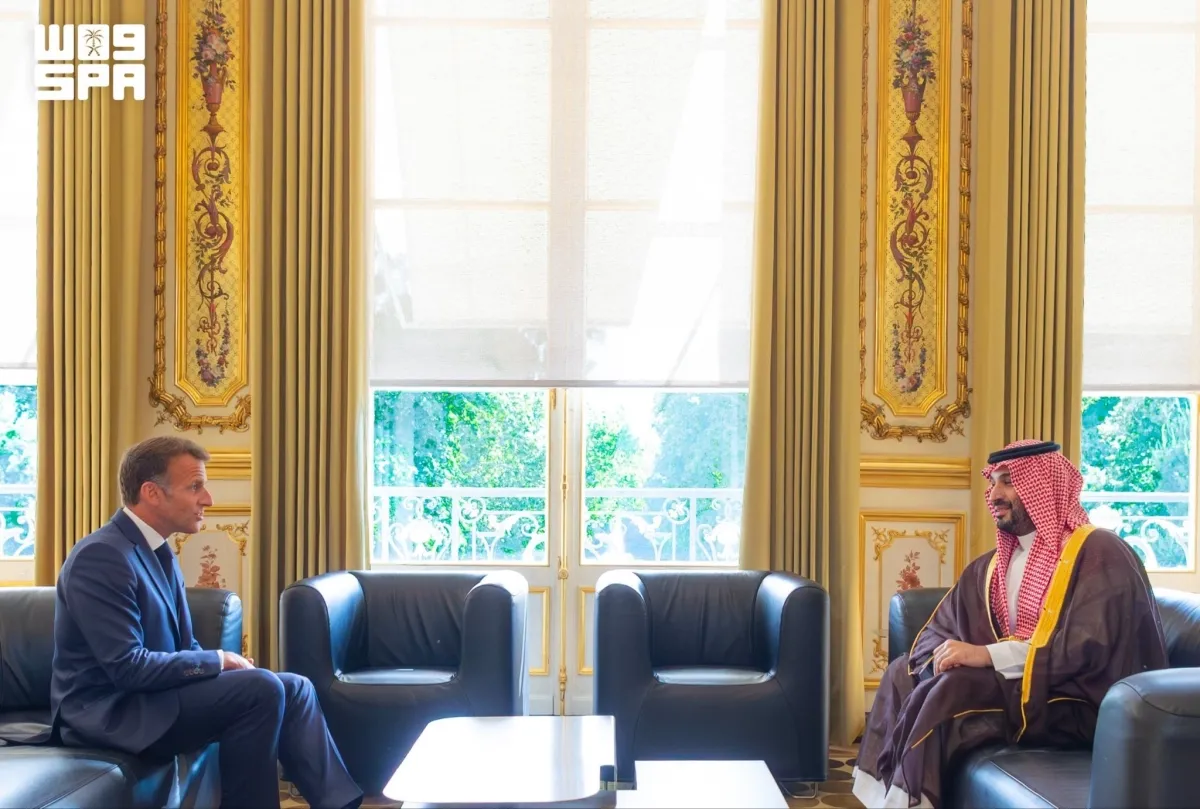
French President Emmanuel Macron announced a €6 billion investment from Saudi Arabia's Qiddiya to build three theme parks in Cergy-Pontoise, creating 22,000 jobs and marking France's largest entertainment development since Disneyland Paris. For executives, this signals a new era of Gulf-state financing for European infrastructure, with implications for competitive positioning, labor markets, and cross-border investment strategy.
French President Emmanuel Macron dropped a €6 billion bombshell on Monday: Saudi Arabia's Qiddiya will build three theme parks in Cergy-Pontoise, northwest of Paris, creating 22,000 jobs. It's the biggest entertainment development in France since Disneyland Paris opened in 1992-and it comes with a distinctly modern twist: a park themed around the Japanese manga and anime franchise Dragon Ball. Macron called it "an extraordinary announcement" and "unprecedented," framing the deal as proof that France remains a magnet for global capital. The investment lands during Saudi Crown Prince Mohammed bin Salman's visit to Paris, deepening the economic ties between Riyadh and the Élysée Palace. For executives watching from the sidelines, this isn't just about roller coasters-it's a signal that Gulf sovereign wealth is now willing to write nine-figure checks for European consumer infrastructure, and that governments are eager to court it. The project will be financed by Qiddiya, a portfolio company of Saudi Arabia's Public Investment Fund (PIF), which has been on a global spending spree across sports, entertainment, and tech. Qiddiya is already building a massive entertainment complex near Riyadh, including Six Flags Qiddiya City, Aquarabia water park, and a gaming and esports district. Now it's exporting that playbook to France, betting that the Dragon Ball brand-a global phenomenon with a massive fanbase in Europe-can draw crowds to a region that has struggled to match the pull of Disneyland Paris, which has attracted more than €13 billion in investment since opening and supports tens of thousands of jobs. Macron tied the deal directly to his "Choose France" initiative, launched in 2018 to lure foreign investment. The program has already facilitated more than 230 investment decisions totaling nearly €87 billion ahead of its ninth edition in June 2026. This announcement is a feather in that cap, but it also raises questions about the terms. France has been courting Gulf capital aggressively, and this deal comes with no public details on tax breaks, land concessions, or regulatory fast-tracking. For competitors in the theme park and hospitality sectors-think Disney, Merlin Entertainments, or Compagnie des Alpes-the entry of a state-backed player with deep pockets and a government partner could reshape the competitive landscape. The 22,000 jobs are a political win for Macron, who has made employment a cornerstone of his legacy, but they also signal a shift in how major infrastructure projects get financed: less reliance on traditional European capital, more on sovereign funds from the Gulf. The Dragon Ball park is a particularly shrewd move. The franchise, created by Akira Toriyama, has sold hundreds of millions of manga volumes and spawned anime series, films, and video games. Its fanbase skews young and global, and a dedicated park could become a pilgrimage site for fans across Europe and beyond. But the success of the broader project will depend on execution-building three parks simultaneously is a logistical and financial challenge, even with €6 billion on the table. For CEOs and CFOs in adjacent industries-from construction to retail to logistics-this is a call to action. The influx of Gulf capital into European entertainment and leisure is not a one-off; it's part of a pattern. PIF has already invested in luxury brands, sports clubs, and tech startups. If this project succeeds, expect more sovereign-backed mega-projects across the continent, each with its own political and economic ripple effects. Boards should assess their own exposure to Gulf investment flows, both as potential partners and as competitors. The strategic stakes are clear: France just traded a piece of its cultural landscape for a massive infusion of foreign cash, and the ripple effects will be felt for decades. For peers in similar roles, the lesson is to watch how this deal is structured-the tax incentives, the labor agreements, the intellectual property licensing-because it will set a precedent for how governments and sovereign funds collaborate on large-scale consumer infrastructure. The Dragon Ball park alone could redefine what a theme park experience looks like, blending Japanese pop culture with French hospitality. And if it works, don't be surprised to see more Gulf-backed entertainment hubs popping up across Europe, each one a test of how far sovereign wealth can stretch in the name of soft power and economic diversification.
This story's Key Insights and Take-aways are locked.
Create a free account to unlock Executive Actions for one credit.
Register to UnlockAlways free for Executives Club members. Join the Club
More in Business
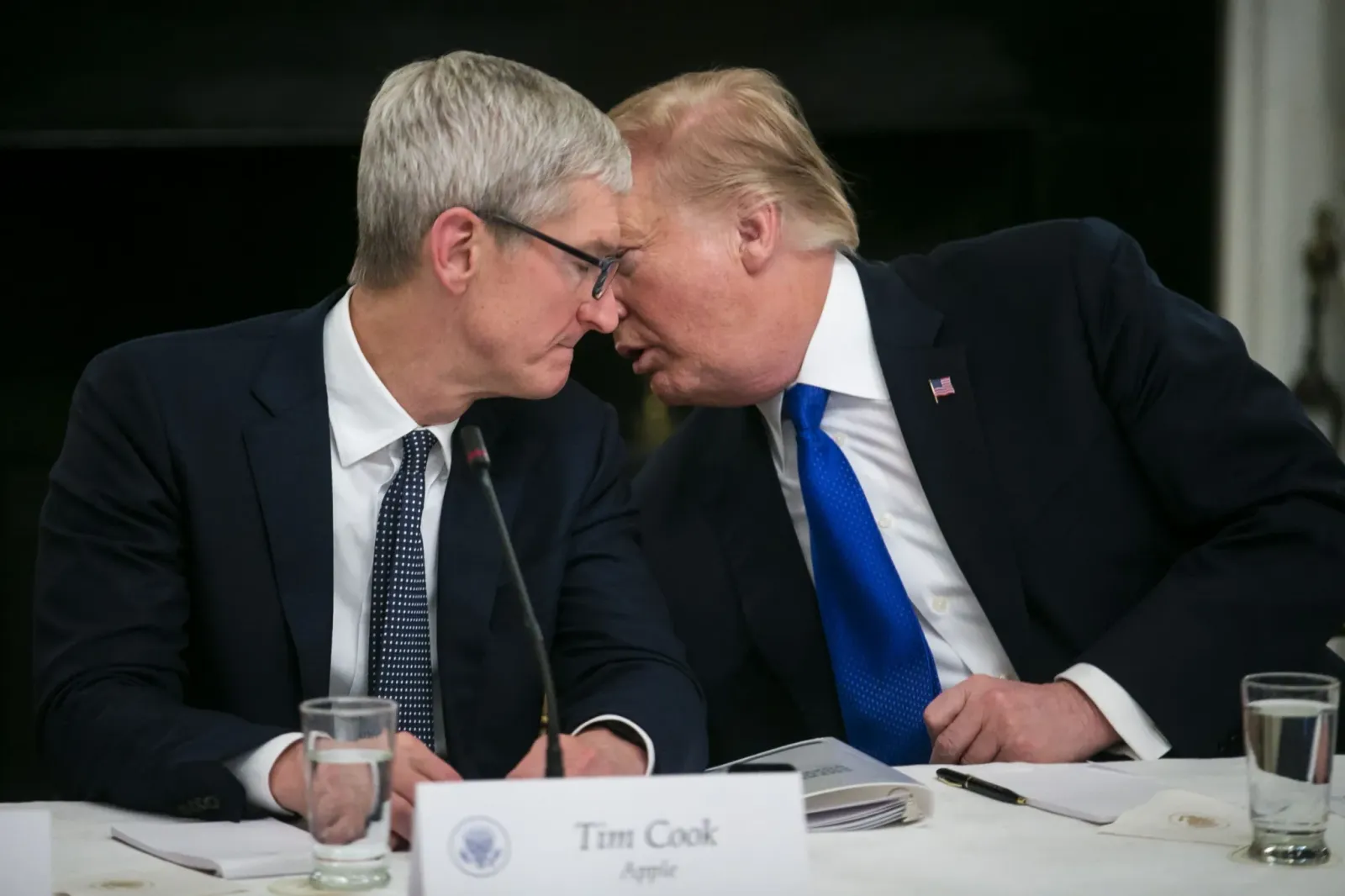
Tim Cook steps down as Apple CEO, stays on as chair with $45M equity
The 'Trump whisperer' keeps his White House and Beijing access as Apple navigates tariffs and a $4.6 trillion market cap.
Snowflake shares surge as AI data demand crushes estimates, lifting full-year forecast
Stocks jumped on stronger-than-expected guidance, signaling enterprise AI workloads are accelerating faster than Wall Street priced in.
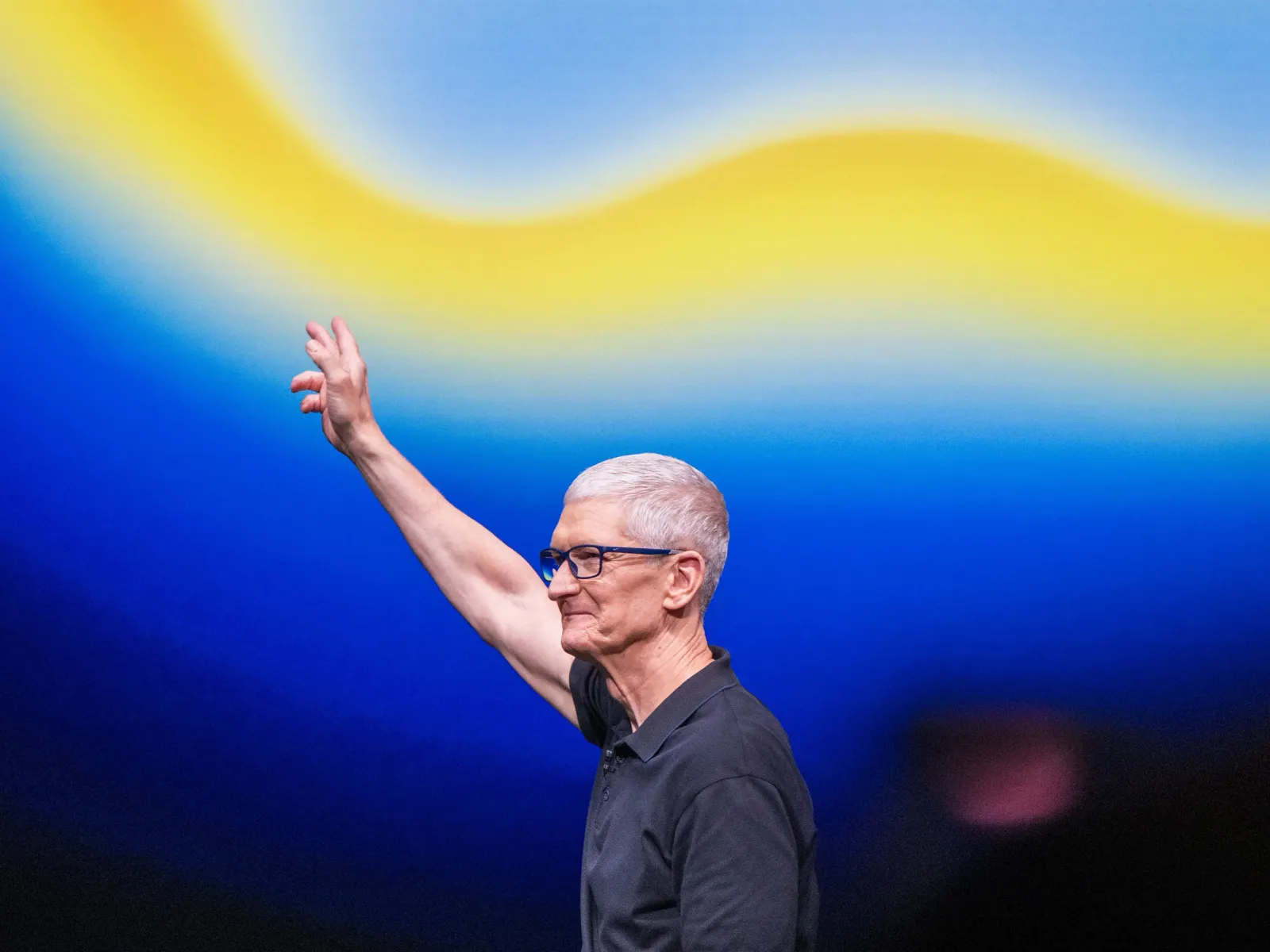
Tim Cook's 15-year Apple CEO run ends: 3 lessons for any successor
After 15 years, Tim Cook hands Apple to John Ternus - here's how he turned a $350B company into a $4.6T juggernaut.