

Magna ups Yuma stake to $87M with $35M India battery-swap bet
The Canadian auto supplier's latest $35M injection cements its control of Yuma Energy as India's EV ecosystem pivots to battery swapping.
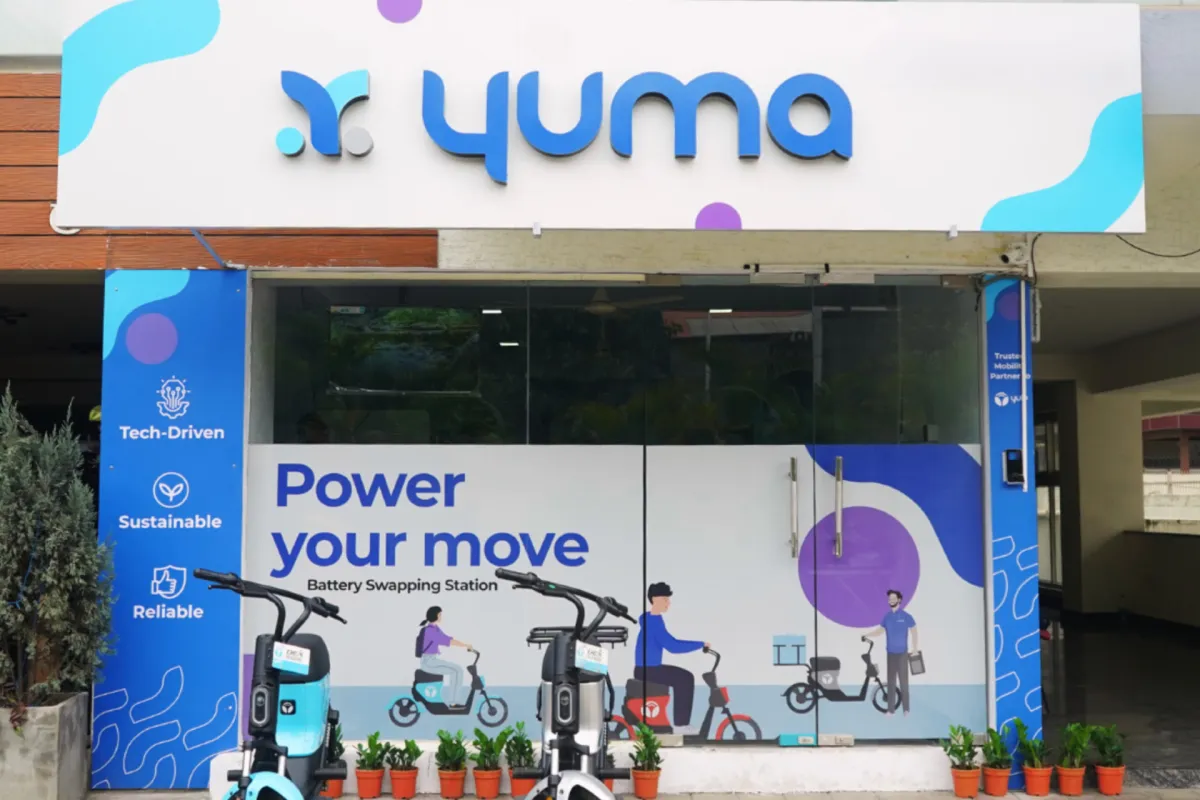
Magna International has increased its investment in Yuma Energy to $87 million, with a new $35 million injection that raises its majority stake in the Indian battery-swapping firm. The move signals Magna's strategic bet on battery swapping as a key infrastructure for India's rapidly growing electric vehicle market, putting pressure on rivals to secure similar positions.
Magna International just dropped another $35 million into Yuma Energy, bringing its total investment to $87 million and deepening its majority control of the Indian battery-swapping startup. The move, confirmed by the company, is a clear signal that the Canadian auto supplier sees battery swapping - not just charging - as the infrastructure that will power India's electric vehicle boom.
For the uninitiated, battery swapping is exactly what it sounds like: instead of plugging in a car to charge, drivers pull into a station and swap a depleted battery for a fully charged one in minutes. It's a model that has gained traction in two- and three-wheeler markets, where vehicles are smaller and batteries are standardized. India, with its dense cities and patchy charging networks, has become a testing ground for the approach, and Yuma Energy is one of the players trying to make it mainstream.
Magna's increased stake is not just a financial vote of confidence; it's a strategic pivot. The company, traditionally known for making auto parts like seats and powertrains, is betting that battery swapping will become a core part of the EV ecosystem, particularly in emerging markets. By controlling Yuma, Magna gets a direct line into the operational side of swapping networks - from battery ownership to station deployment - rather than just supplying components.
The timing is telling. India's EV market is still nascent but growing fast, with the government pushing for electric adoption through subsidies and mandates. However, charging infrastructure remains a bottleneck. Battery swapping offers a workaround: it reduces the need for high-power charging stations, cuts down on charging time, and can extend battery life through centralized management. For fleet operators - think delivery bikes and rickshaws - swapping is often more practical than waiting for a charge.
Magna's move also puts pressure on competitors. Other auto suppliers and OEMs are watching closely. If battery swapping becomes the standard for two-wheelers in India, the companies that control the swapping networks will hold significant leverage over the entire value chain. Magna is effectively buying a seat at that table, and its majority stake means it can dictate strategy, from technology choices to expansion plans.
There are risks, of course. Battery swapping requires heavy capital expenditure on batteries and stations, and the economics depend on high utilization rates. Standardization across manufacturers is still a challenge, and consumer adoption is not guaranteed. But Magna's willingness to double down suggests it sees a path to profitability, or at least a strategic hedge against the uncertainty of charging technology.
For executives in the auto and energy sectors, the takeaway is clear: the race to define India's EV infrastructure is heating up, and battery swapping is no longer a fringe experiment. Magna's $87 million commitment is a signal that deep-pocketed incumbents are willing to place big bets on alternative models. The question now is who else will follow - and whether the swapping model can scale beyond niche segments.
This story's Key Insights and Take-aways are locked.
Create a free account to unlock Executive Actions for one credit.
Register to UnlockAlways free for Executives Club members. Join the Club
More in Business
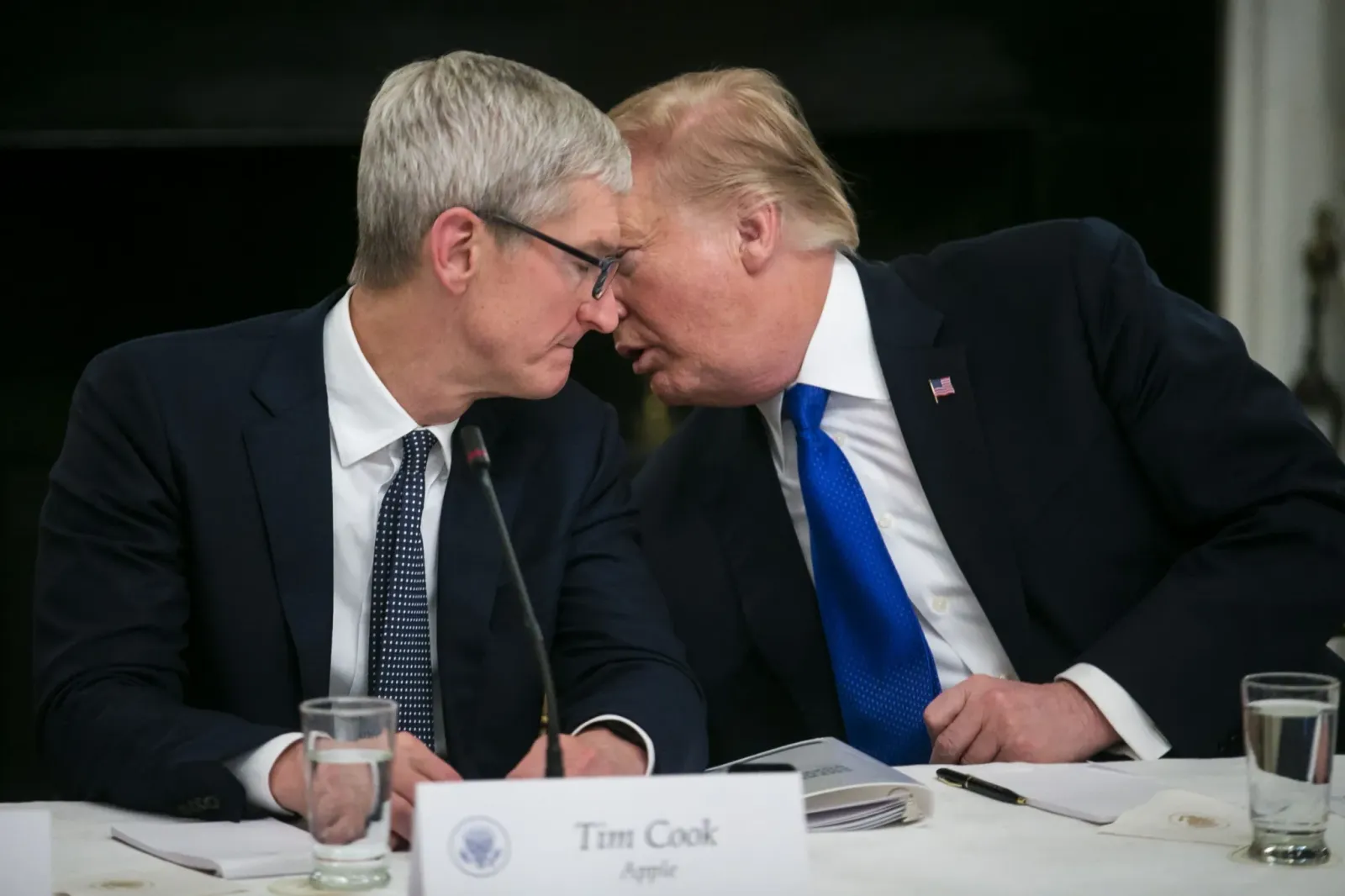
Tim Cook steps down as Apple CEO, stays on as chair with $45M equity
The 'Trump whisperer' keeps his White House and Beijing access as Apple navigates tariffs and a $4.6 trillion market cap.

Snowflake shares surge as AI data demand crushes estimates, lifting full-year forecast
Stocks jumped on stronger-than-expected guidance, signaling enterprise AI workloads are accelerating faster than Wall Street priced in.
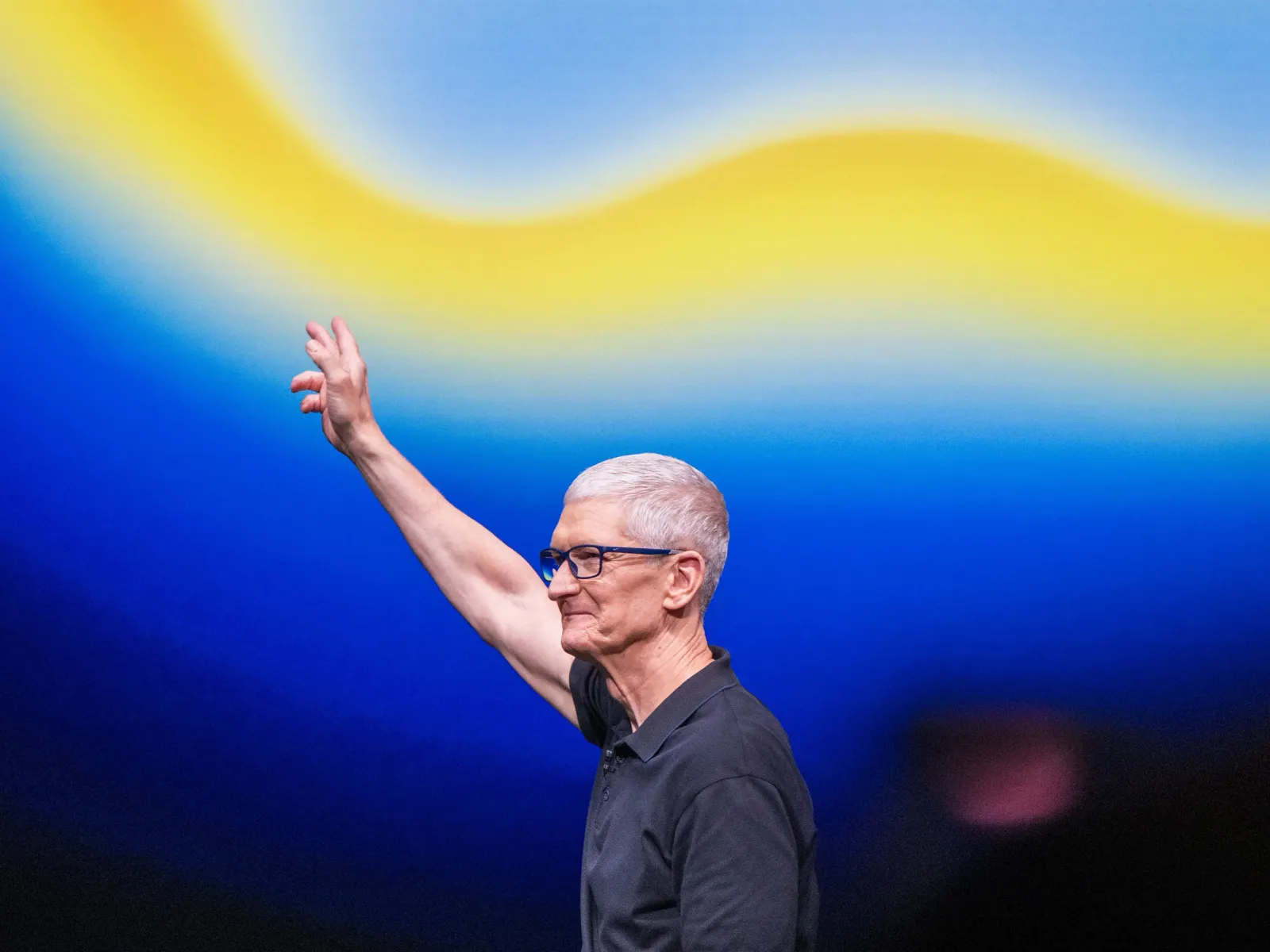
Tim Cook's 15-year Apple CEO run ends: 3 lessons for any successor
After 15 years, Tim Cook hands Apple to John Ternus - here's how he turned a $350B company into a $4.6T juggernaut.