
Mario Kart 64 turned a quirky side series into a global institution
The Nintendo 64 sequel did more than sell systems. It redefined what “fun” could scale into for games.
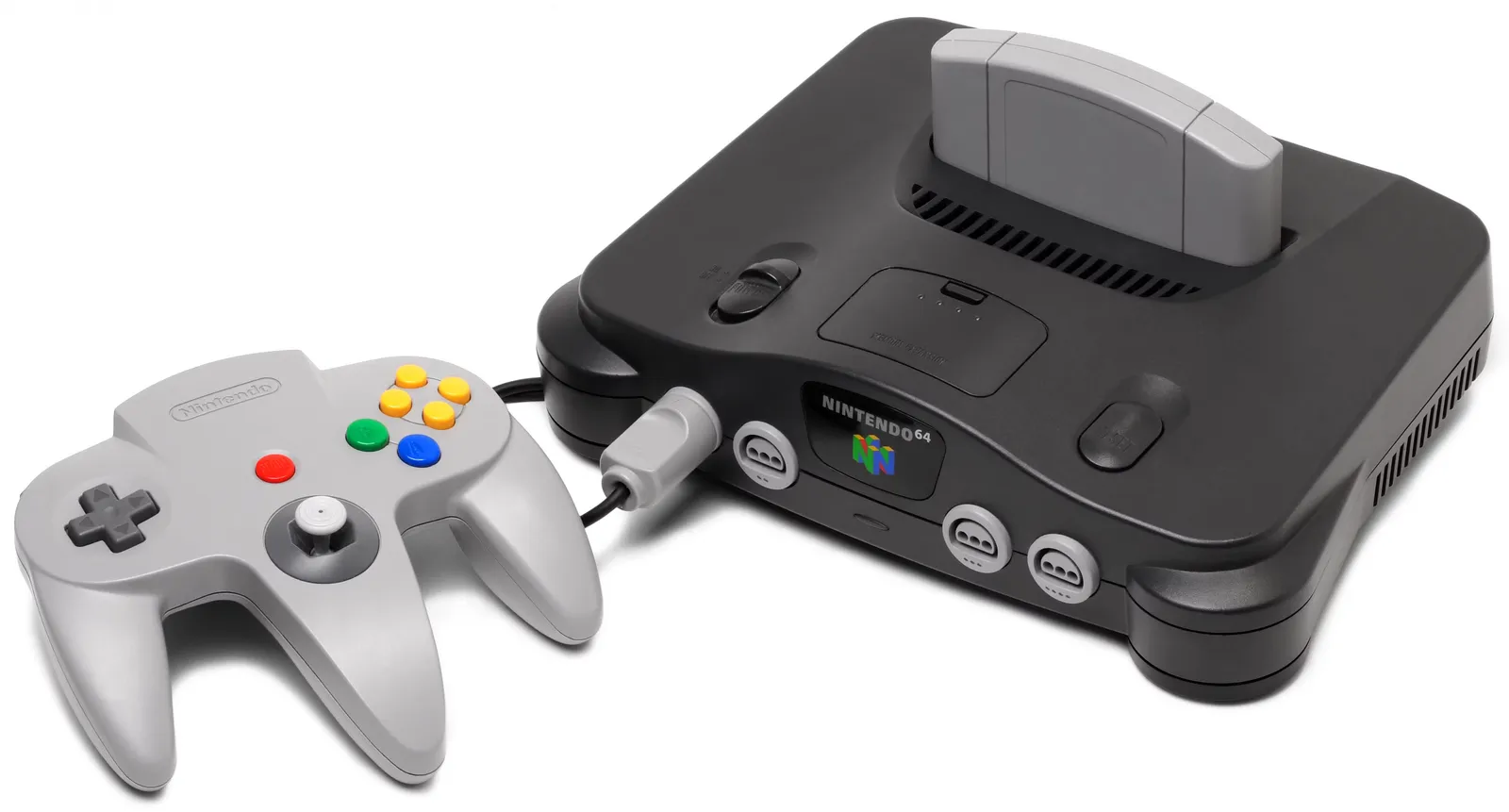
Polygon frames how Mario Kart 64, launched for Nintendo 64, transformed the series from an oddity into an institution. For decision-makers, it is a reminder that platform-era design choices can reshape entire genres for decades.
Nintendo has been releasing games long enough now that it’s easy to take the publisher’s successes for granted. We’re still feeling the effects the Nintendo 64 had on the industry 30 years after its launch, which is an impressive milestone, and yet there are times when it feels like it all happened yesterday.
That matters because Mario Kart 64 did not arrive as a guaranteed hit. Polygon’s point is simple and specific: the Nintendo 64 sequel proved that one series had what it took to delight millions of players, and it helped transform the franchise from an oddity into an institution. In other words, the “wait, this is actually huge” moment happened in the N64 era, and the franchise benefited from that platform transition.
If you are an executive watching the games industry, this is not just nostalgia. Console generations are like funding rounds for interactive experiences. When a new platform appears, it brings new expectations about performance, controls, multiplayer, and how quickly consumers can discover something worth playing again and again. A sequel arriving on that kind of platform is effectively a test: does the franchise learn the new era, or does it stay stuck in yesterday’s assumptions? In the case Polygon highlights, Mario Kart 64 “proved” the series had the ingredients to scale delight to millions of players.
Now connect that to how the industry actually behaves. Game companies do not just compete on content. They compete on momentum. If a title becomes a household name on a platform, it can act like a flywheel for awareness, community norms, and development priorities. The key second-order implication is that a platform-era breakout can change what studios decide to build next, because it gives internal teams evidence that certain mechanics, pacing, and multiplayer behaviors resonate broadly.
There is also a strategic lesson in the phrasing Polygon uses: “transformed the series from an oddity into an institution.” “Oddity” implies something niche, something that existed but did not command the cultural center. “Institution” implies repetition, longevity, and a status players trust. Executives can read that as a pattern: the difference between a fun game and an enduring brand is often less about one magic mechanic and more about showing up at the right technological moment with a design that welcomes new players while still rewarding fans.
And yes, it helps that Nintendo historically operates with a long horizon. The Nintendo 64’s effects are still being felt 30 years after its launch, which is precisely the kind of time horizon executives sometimes underestimate when they pressure teams to deliver immediate wins. Platform cycles move fast. Brand equity moves slower. Mario Kart 64 fits the slower story: it helped make the series feel inevitable, and that inevitability compounds over time.
Zoom out further to where incentives and board dynamics come in. When leadership teams allocate budgets and choose which franchises to support, they often look for signals that reduce uncertainty. A sequel that turns a smaller reputation into a mainstream one is a powerful signal. It can justify continued investment, not just in the next release, but in tooling, staffing, and production processes tailored to the franchise. The second-order effect for boards is that they can treat “platform-fit” as a governance question, not just a product-team question: are we backing games that can anchor a platform relationship, not merely participate in it?
Regulatory framing might feel out of place in a Nintendo retrospective, but consumer protection and content oversight still shape how markets evolve, especially around multiplayer, online experiences, and age-appropriate design. Even when the story is largely about gameplay, executives should remember that platforms and markets are never purely technical. Rules, platform policies, and broader compliance trends can influence what types of features can be shipped and sustained. A franchise that becomes an institution in a given era is also one that tends to navigate these shifts by staying relevant, which can matter when expectations change.
So what should peers in similar roles take from Polygon’s assessment of Mario Kart 64? If you are a founder, CFO, or board member, the takeaway is that breakout franchises often come from a precise intersection: a series with enough identity, delivered on a new platform moment, in a way that expands the audience without alienating the fans. Mario Kart 64 helped prove that this series had what it took to delight millions. The strategic stakes are that your next “sequel” could be less about extending a brand and more about deciding whether it becomes an institution the market remembers for decades.
This story's Key Insights and Take-aways are locked.
Create a free account to unlock Executive Actions for one credit.
Register to UnlockAlways free for Executives Club members. Join the Club
More in Entertainment
Universal allegedly left a $6,000 repair invoice unpaid for The Odyssey’s Viking ship
The owner says the Glad av Gillberga was damaged on set and an invoice for materials never got paid, despite repairs.

India’s paid music subscribers may reach 30M by 2028, EY-IMI projects
A forecast jumps from about 14M in Dec 2025 to 28M-30M in 2028, reshaping who can profit in streaming.

24 years after Mal Reynolds, Nathan Fillion flips his sci-fi hero role in Lanterns
For studio and audience strategists, Fillion’s Lanterns casting shows how nostalgia gets retooled into a fresh kind of hero.