
Meta's Muse AI Agent Can Sell Your Car, If You Trust It
Meta's new personal AI agent promises to handle your car sale and flight booking, but the real hurdle is whether users will hand over the keys to their digital lives.
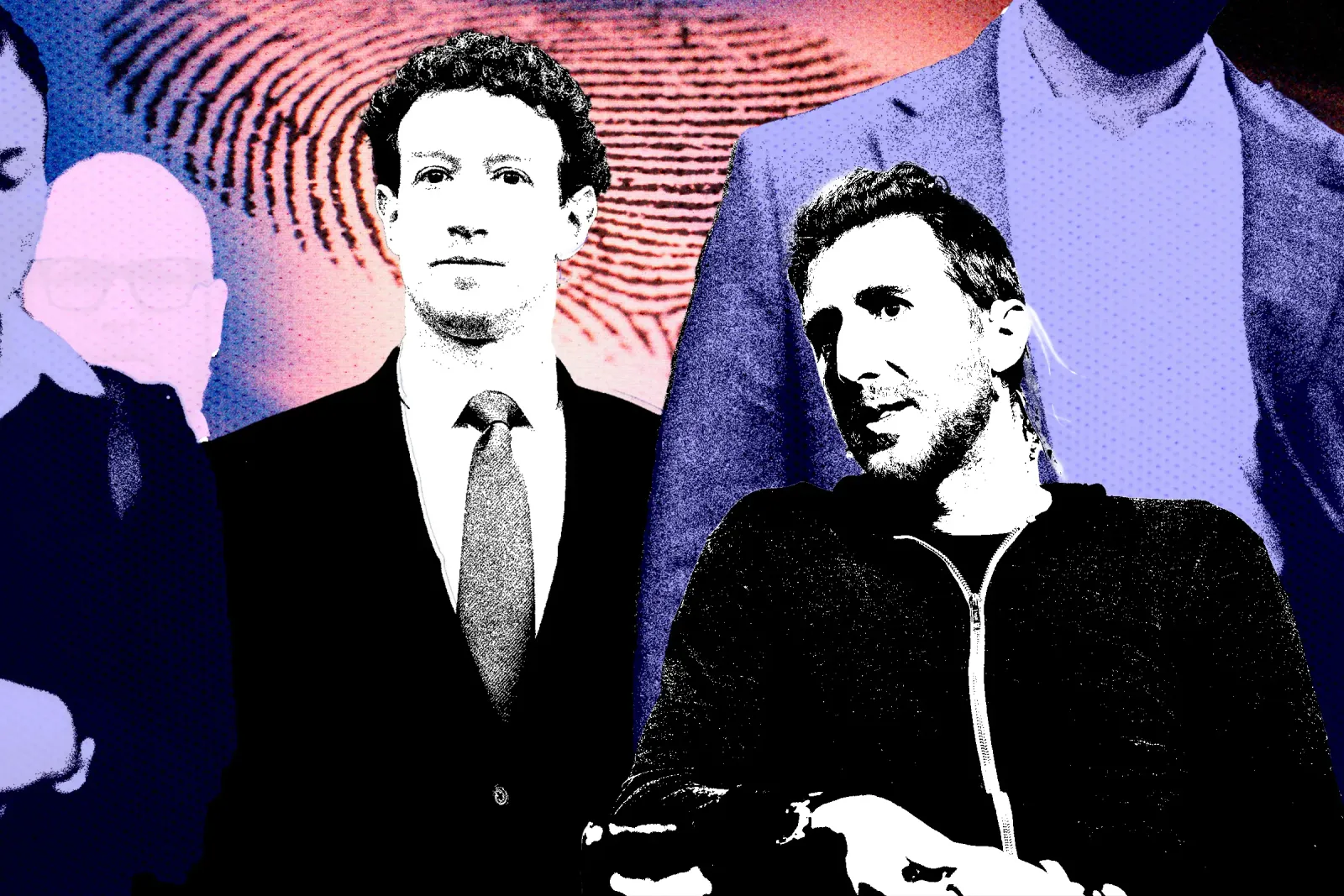
Meta has unveiled Muse, a personal AI agent designed to compete with OpenClaw and Instinct, capable of tasks like selling a car or booking a flight. The company's challenge is earning user trust, which will determine whether agentic AI becomes a mainstream utility or a privacy flashpoint.
Meta's new personal AI agent, Muse, can sell your car and book your plane ticket, if you trust it enough to let it. The company says Muse is designed to compete with rivals OpenClaw and Instinct, marking Meta's entry into the fast-growing market for agentic AI that acts on a user's behalf rather than just answering questions. But the pitch hinges on a fragile commodity: trust.
Trust is the operative word. For Muse to sell a car, it needs access to listings, messages, payment details, and negotiation history. To book a flight, it needs your preferences, calendar, and payment method. That level of access is exactly what makes agentic AI powerful, and exactly what makes consumers nervous. Meta is asking users to hand over the digital keys to their lives, and the company's history with privacy scandals makes that a harder sell than the technology itself.
Muse enters a crowded and quickly maturing field. OpenClaw and Instinct are already positioning themselves as personal agents that can complete multi-step tasks, and tech giants from Google to Microsoft have been racing to ship similar tools. What differentiates Meta is its distribution: billions of users across Facebook, Instagram, and WhatsApp, plus its existing AI investments in Llama models and smart glasses. If Muse works, it could turn Meta's social graph into a transactional layer for everyday errands.
The stakes go beyond convenience. Agentic AI represents a shift in how people interact with software, from pulling information to delegating outcomes. For Meta, success would mean deeper engagement, new commerce revenue, and a reason for users to stay inside its ecosystem. Failure would reinforce the perception that Meta cannot be trusted with sensitive data, a narrative that has dogged the company since the Cambridge Analytica scandal and repeated privacy fines.
For executives watching this space, Muse is a signal that the agentic AI race is no longer theoretical. The technology is moving from chatbots that suggest to agents that do. That shift carries real operational and legal implications: if an AI agent negotiates a car sale, who is liable for a bad deal? If it books the wrong flight, who absorbs the cost? Regulators in the EU and elsewhere are already scrutinizing AI systems, and agentic tools that act autonomously will likely face even tougher questions about accountability and data protection.
Meta's approach also highlights a broader strategic tension. The company is betting that users will trade a measure of privacy for convenience, and that trust can be built through transparency and control. But competitors like OpenClaw and Instinct may offer more specialized or more private alternatives, forcing Meta to prove why its agent deserves access to the most personal parts of a user's digital life. The answer will shape not just Meta's product roadmap, but the entire industry's approach to consent and agency.
For leaders in adjacent roles, chief product officers, heads of AI, and board members, the lesson is to watch how Meta handles the trust problem. The company's ability to launch Muse at scale will test whether consumers accept autonomous agents as everyday tools or recoil from the data demands. Early signals will come from adoption rates, opt-in numbers, and the volume of tasks users actually delegate. Those metrics will tell a more honest story than any demo.
This story's Key Insights and Take-aways are locked.
Create a free account to unlock Executive Actions for one credit.
Register to UnlockAlways free for Executives Club members. Join the Club
More in Business
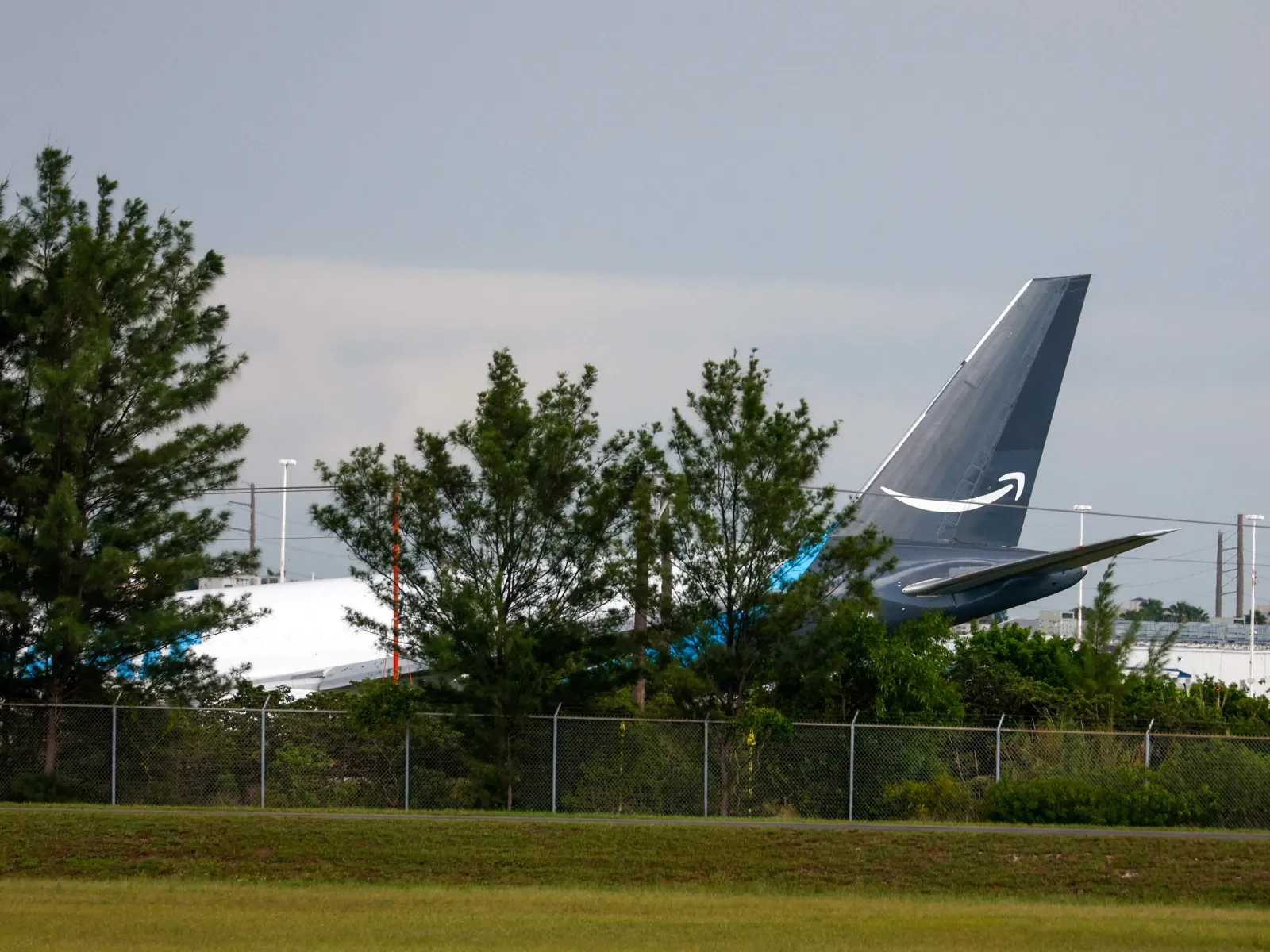
Amazon Prime Air 767 overshoots Miami runway, killing at least 5
The Boeing 767 freighter from San Juan struck vehicles and erupted in flames, prompting a ground stop and a fresh NTSB investigation into Amazon's air cargo network.

Death sentence for TV presenter Sarah Khalifa: Egypt's drug case hits media
The sentencing of Sarah Khalifa and 11 others underscores the severity of Egypt's anti-drug laws and the exposure of public figures to capital punishment.

Tim Cook steps down as Apple CEO, stays on as chair with $45M equity
The 'Trump whisperer' keeps his White House and Beijing access as Apple navigates tariffs and a $4.6 trillion market cap.