

Mike Johnson scrambles before August recess: defense, election integrity, and a stock ban
With one week left, the House leadership agenda turns into a high-stakes test of unity on spending and governance rules.

House Speaker Mike Johnson is pushing to move three major items before the House adjourns for its August recess: additional defense funding, the president's election integrity bill, and a stock trading ban for lawmakers. The clock matters because delays reset momentum, increase bargaining costs, and can leave lawmakers and markets bracing for uncertainty.
With just a week left until the House heads into August recess, House Speaker Mike Johnson is trying to run the table on a long list of priorities. According to NPR, Johnson wants the House to advance more defense funding, the president's election integrity bill, and a stock trading ban for lawmakers before the adjournment.
That trio is not random. It is a stacked mix of money, rules, and legitimacy all at once. Defense funding is one of Washington's fastest-moving gravitational pulls, because it ties directly to budgets and readiness cycles. An election integrity bill is the political storyline that never really leaves the room, because it determines how elections are administered and what standards lawmakers try to impose. And the stock trading ban, aimed at lawmakers themselves, is governance theater with teeth: it forces members to confront conflicts of interest in real time, not just in speeches.
The real pressure here is procedural. Recess is not a pause button for Congress. It is a cutoff. Even if lawmakers agree in principle, there is a difference between political agreement and scheduling agreement, between drafting language and moving it through committees, and between agreeing on terms and agreeing on timing. A week is enough time for momentum if the caucus is aligned and the leadership can corral votes. It is not enough time if any one issue fractures the coalition.
Start with the defense funding push. Defense budgets usually involve multiple players: committees that own the specifics, leadership that can bundle packages, and members whose local interests shape what gets included. When leadership tries to advance “more defense funding” before August recess, it is effectively asking the House to accept urgency over perfect alignment. That matters for decision-makers because funding bills often set the tone for subsequent appropriations negotiations. If the House advances the package, the next step moves forward in the legislative pipeline. If it does not, the entire exercise can drift into the fall, when priorities and leverage shift.
Next is the president's election integrity bill. Bills tied to election administration tend to collide with deep partisan instincts, not because every detail is obvious, but because the core framing is contested. Election integrity debates have a way of pulling in enforcement mechanisms, oversight roles, and compliance standards, and those design choices can become lightning rods. If Johnson wants this bill advanced before recess, it signals that leadership believes it can keep the coalition together through the vote counting phase, not just through rhetoric.
Then there is the stock trading ban. This one is unusually direct: it aims to restrict lawmakers from trading individual stocks while in office. In policy terms, that means turning ethics norms into enforceable rules. In politics, it means asking members to accept personal constraints in the name of public trust. For boards and executives watching from the outside, the second-order implication is that governance reforms become bargaining chips. If a stock ban moves, it can reshape how lawmakers talk about corporate influence and conflict. It also can change the day-to-day communications landscape between corporate teams and Capitol Hill, because policymakers face more scrutiny and less “plausible deniability” about incentives.
All three items in one sprint can also reveal something about incentives inside the House. Leadership is effectively trying to use an end-of-cycle deadline to compress decision-making. End-of-week timelines can force members to choose between getting something on the floor now or risking that their preferred version of the bill becomes a casualty of delay. That kind of urgency is a vote discipline tool, but it also increases the odds of backlash if members feel boxed in.
So what should peers in similar roles watch for? For one, whether the House leadership can sequence these issues without one hijacking the others. Another is whether any procedural hiccup turns the whole agenda into a “not this session” story. If the House successfully advances all three before adjournment, it becomes a signal that leadership can deliver beyond slogans: spending, election policy, and ethics reform in a single recess runway. If it fails, the consequence is not just political disappointment. It is longer timelines for negotiations, more room for interest groups to push revisions, and more uncertainty for stakeholders trying to anticipate what rules may land and when.
In other words: Johnson's week-left agenda is not merely a to-do list. It is a stress test of how much Congress can still accomplish before August, and it determines what gets locked in now versus what gets kicked down the road.
This story's Key Insights and Take-aways are locked.
Create a free account to unlock Executive Actions for one credit.
Register to UnlockAlways free for Executives Club members. Join the Club
More in Politics
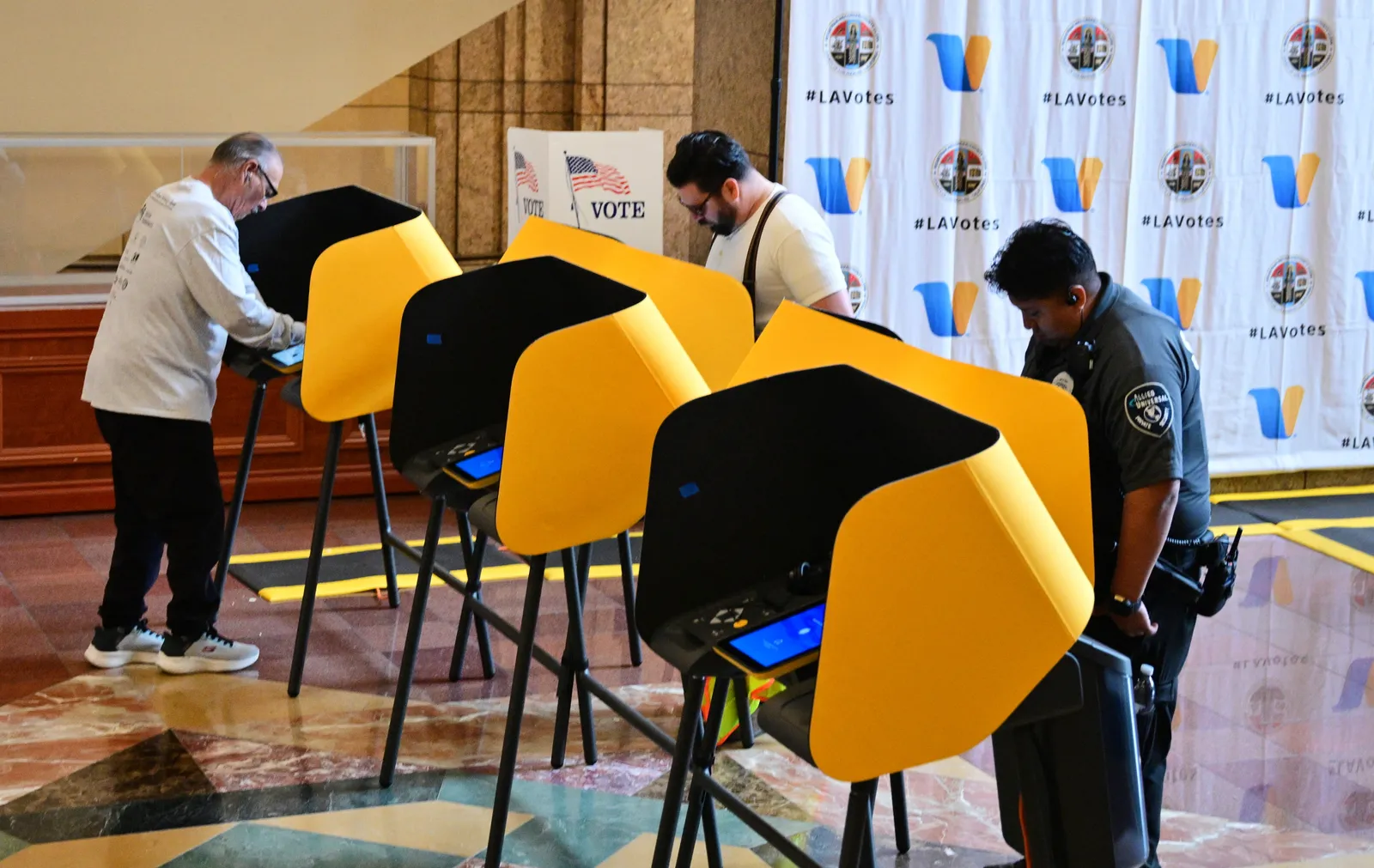
LA County: DOJ's 20,000 'noncitizen' voter list is 'unreliable,' includes U.S.-born
Preliminary review by Los Angeles County election officials finds errors in the federal list, raising the stakes for voter roll integrity ahead of November.
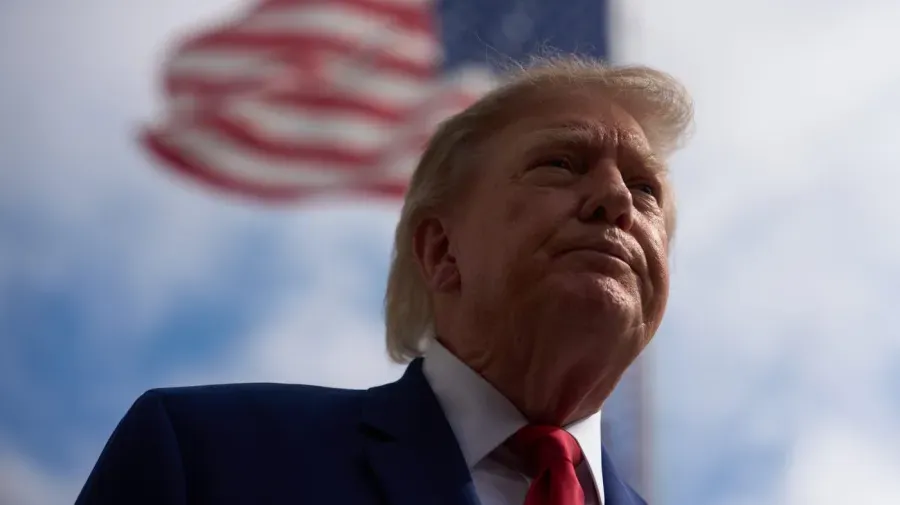
Trump's $1.5B Pentagon chip investment lands in North Carolina
A $1.5 billion defense infusion for North Carolina chipmaking signals a new era of Pentagon-backed reshoring - here's what it means for the industry.

Nigeria confirms first Ebola case in Abuja, a woman just off a Uganda flight
Health Minister Muhammad Ali Pate says the patient flew in from Uganda, putting Africa's latest outbreak on Nigeria's doorstep.