

Mitsubishi revives Pajero SUV, first stop Thailand
The iconic off-roader returns after a decade, with Mitsubishi betting on Thailand's booming SUV market to lead a regional comeback.
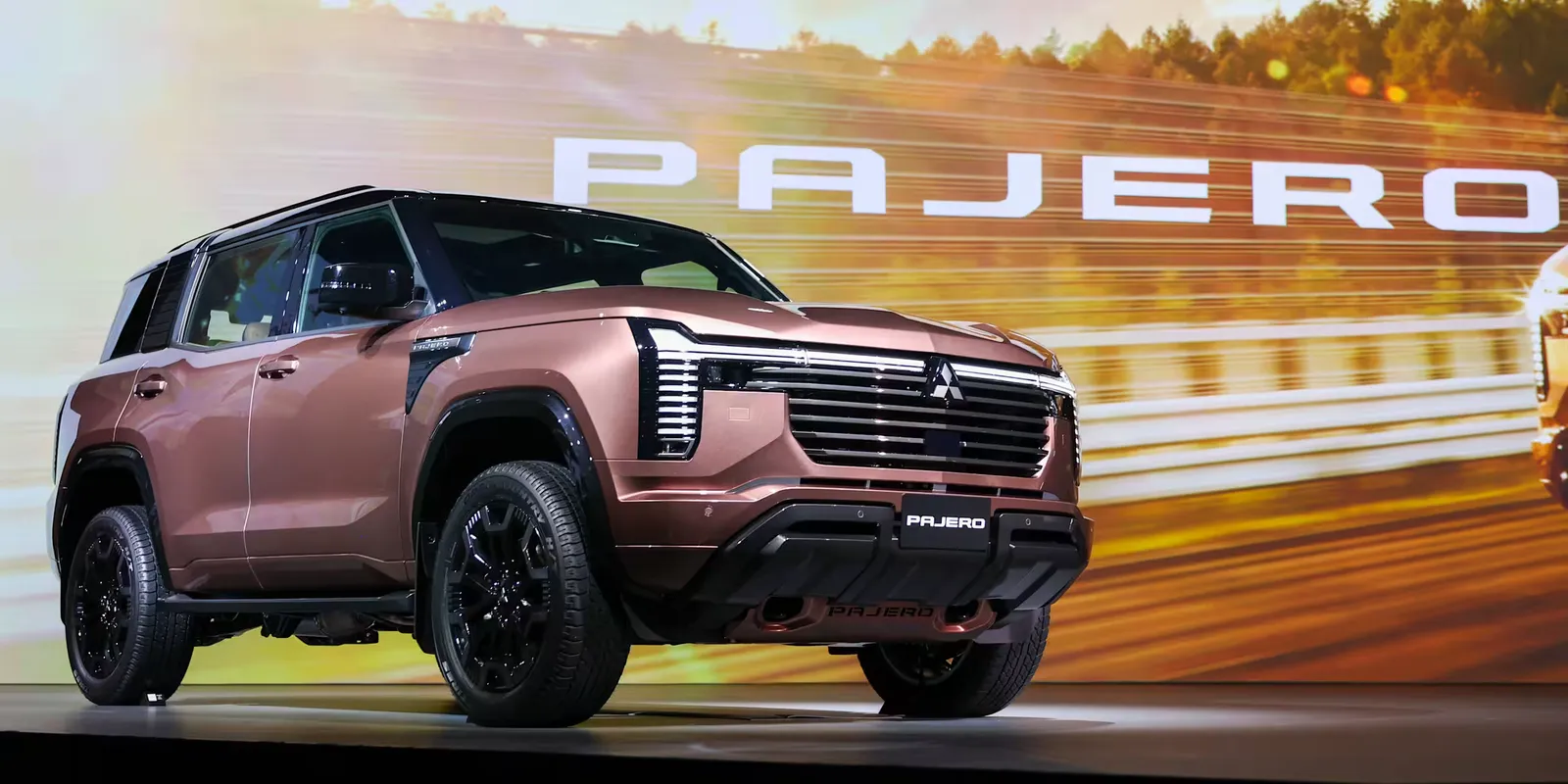
Mitsubishi Motors is reviving its iconic Pajero SUV, with the first sales slated for Thailand. The move signals a strategic push into the lucrative ASEAN SUV segment, leveraging Thailand's manufacturing base and growing demand for rugged vehicles.
Mitsubishi Motors is bringing back the Pajero. The legendary SUV, which defined off-road capability for a generation, will see its first sales in Thailand, according to Nikkei Asia. After years of silence, the revival marks a bold bet on a nameplate that still carries serious emotional weight in Southeast Asia's truck-and-SUV culture.
The choice of Thailand as the launch market is no accident. The country is Mitsubishi's regional manufacturing hub, with a mature supply chain and a domestic market that has shifted decisively toward SUVs and pickups. By starting there, Mitsubishi can ramp production efficiently, test consumer response, and then roll out to neighboring markets like Indonesia, the Philippines, and Vietnam-all of which have shown strong appetite for rugged, go-anywhere vehicles.
The Pajero's return also fits a broader corporate strategy. Mitsubishi has been streamlining its lineup, focusing on SUVs, pickups, and plug-in hybrids-segments where it has genuine heritage. The Pajero, with its Dakar Rally pedigree and loyal fanbase, is a natural centerpiece. But the revival isn't just nostalgia; it's a competitive response. Rivals like Toyota's Land Cruiser, Ford's Everest, and even Chinese entrants have been crowding the mid-to-large SUV space, and Mitsubishi needs a flagship to reclaim mindshare.
There's also a technological angle. While the original Pajero was a diesel-heavy workhorse, the new version is expected to incorporate modern electrification-likely a hybrid powertrain-to meet tightening emissions regulations across ASEAN. That would align with Mitsubishi's broader push toward electrified models, including the Outlander PHEV, and give the Pajero a distinct eco-friendly positioning in a segment still dominated by pure combustion engines.
For Thailand specifically, the revival could be a shot in the arm for local manufacturing. The government has been aggressively promoting EV and hybrid production through tax incentives, and Mitsubishi's investment in Pajero assembly would create jobs and deepen the country's automotive ecosystem. It also gives Thailand a homegrown hero vehicle, which resonates politically and commercially.
The bigger question is whether the Pajero can still command a premium. The SUV market has fragmented into lifestyle crossovers and hardcore off-roaders, and the Pajero sits somewhere in between. Mitsubishi will need to nail the pricing and positioning-too cheap and it undermines the brand; too expensive and it loses to more modern rivals. But if executed well, the Pajero revival could be the catalyst Mitsubishi needs to reassert itself as a serious player in the region's most dynamic auto market.
For now, all eyes are on Thailand. The first sales will be a litmus test for consumer appetite, and the results will likely determine how quickly Mitsubishi expands the Pajero's availability across Asia and beyond. The nameplate is back-now it has to prove it still matters.
This story's Key Insights and Take-aways are locked.
Create a free account to unlock Executive Actions for one credit.
Register to UnlockAlways free for Executives Club members. Join the Club
More in Business
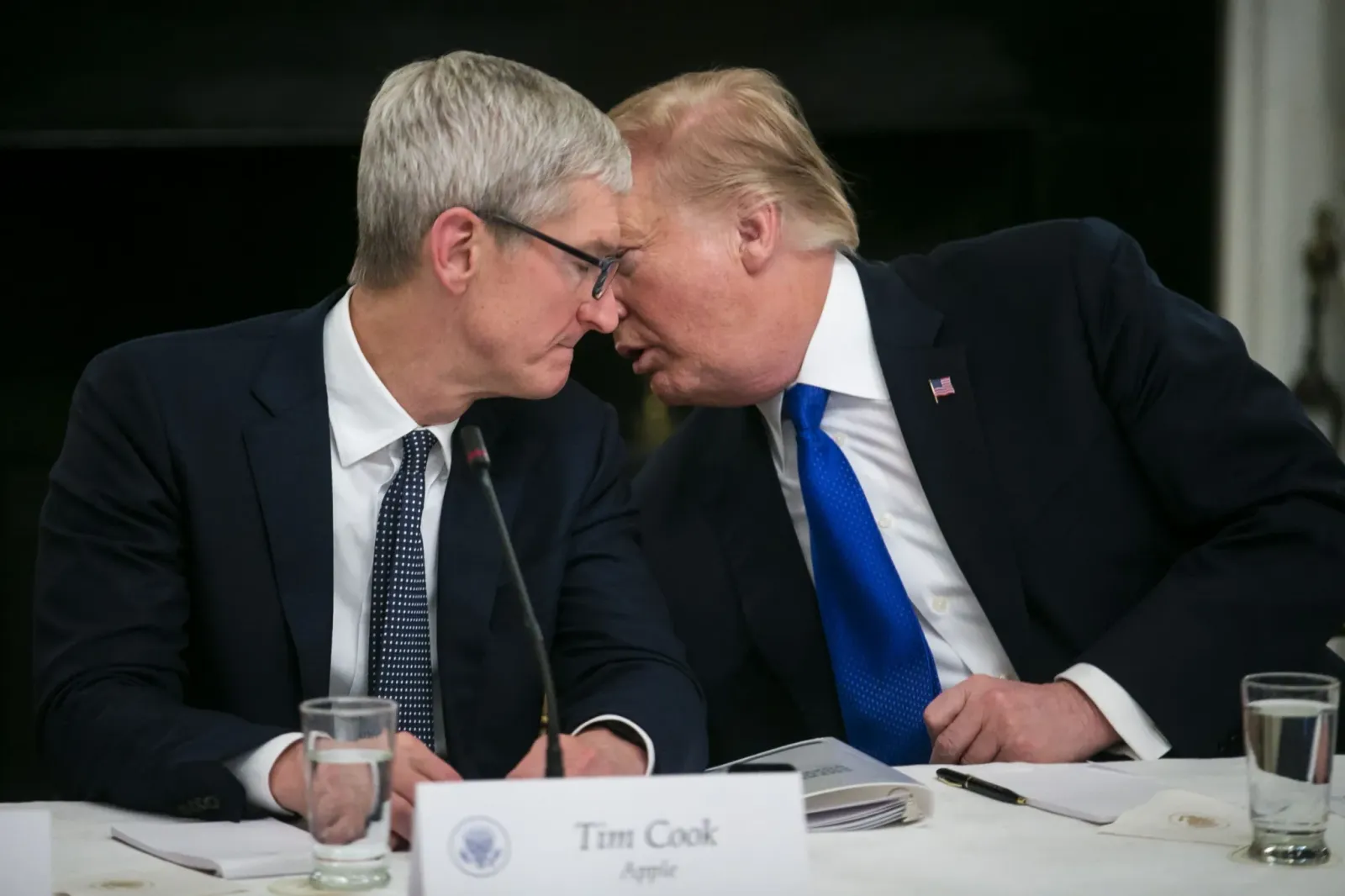
Tim Cook steps down as Apple CEO, stays on as chair with $45M equity
The 'Trump whisperer' keeps his White House and Beijing access as Apple navigates tariffs and a $4.6 trillion market cap.
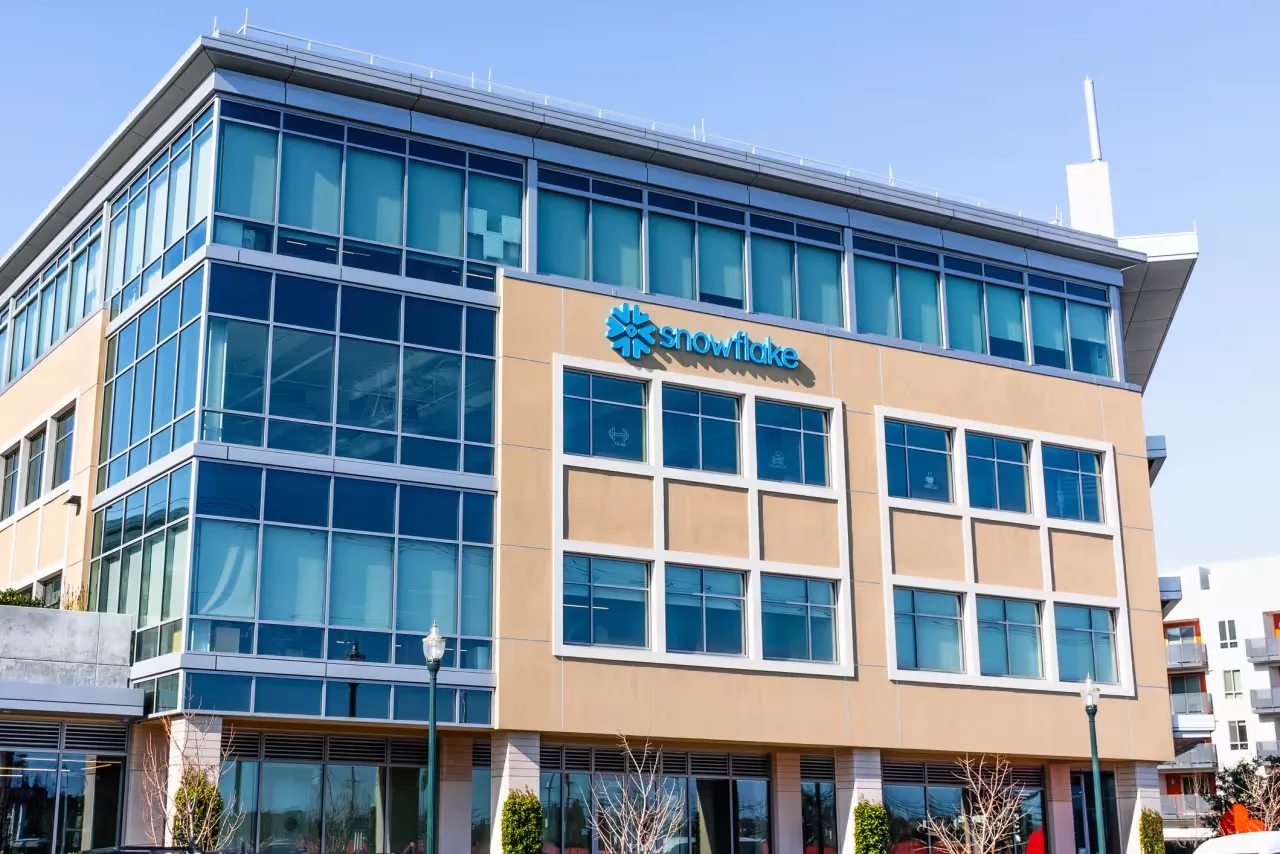
Snowflake shares surge as AI data demand crushes estimates, lifting full-year forecast
Stocks jumped on stronger-than-expected guidance, signaling enterprise AI workloads are accelerating faster than Wall Street priced in.
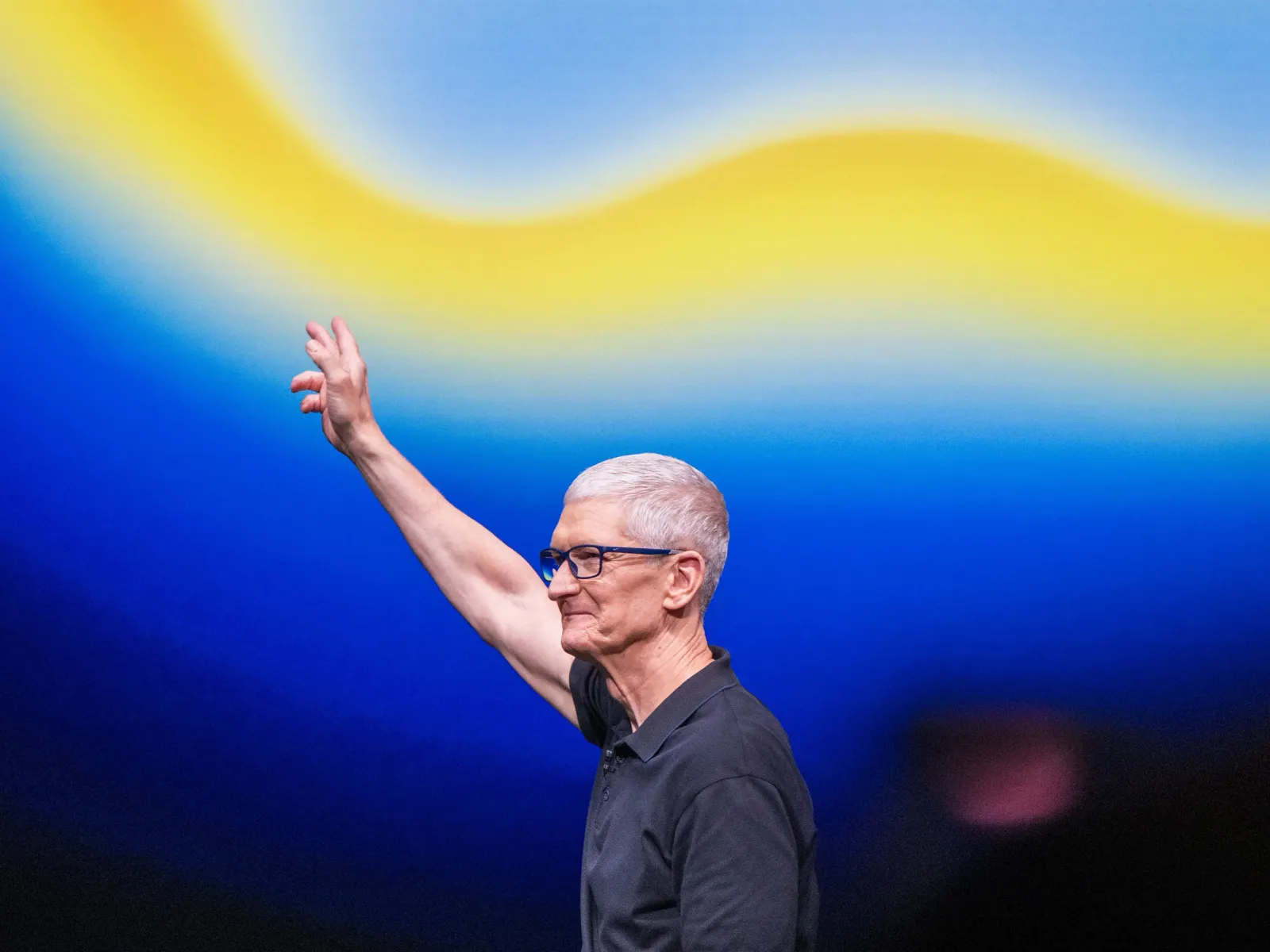
Tim Cook's 15-year Apple CEO run ends: 3 lessons for any successor
After 15 years, Tim Cook hands Apple to John Ternus - here's how he turned a $350B company into a $4.6T juggernaut.