

NBA Suspends Clippers Owner Ballmer One Year, Fines $30M, Strips Five Draft Picks
The league's penalty for salary cap violations reshapes the Clippers' future and signals stricter enforcement.

The NBA suspended Los Angeles Clippers owner Steve Ballmer for one year and fined the team $30 million for a salary cap probe. The team will also forfeit five first-round draft picks, starting in 2029, a severe consequence that alters their long-term rebuild strategy.
The NBA's disciplinary action against the Los Angeles Clippers is both a punishment and a precedent. The league announced on [date not specified in source] that owner Steve Ballmer will be suspended for one year, and the franchise will pay a $30 million fine. This penalty stems from an investigation into the team's handling of salary cap rules, specifically related to a probe involving All-Star forward Kawhi Leonard. The fine and suspension are immediate, but the most lasting impact may be the forfeiture of five first-round draft picks, one in each year starting in 2029, which will hamper the team's ability to add young talent for the better part of a decade.
The forfeiture of five first-round picks is an unusually harsh penalty, rivaling the most severe sanctions the league has issued in recent memory. While the $30 million fine represents a significant financial hit, it is modest for Ballmer, whose net worth is estimated in the tens of billions. The draft picks, however, are a strategic loss that cannot be bought back. The Clippers, who have prided themselves on building a competitive roster through a mix of stars and role players, will now have to navigate the next several offseasons without their premier amateur talent acquisition tool. This limits their ability to trade for established players, as first-round picks are often the currency of blockbuster deals.
The investigation that led to these sanctions focused on alleged violations of the NBA's salary cap rules, which are designed to maintain competitive balance across the league. According to the collective bargaining agreement, teams must not provide undisclosed benefits or under-the-table incentives to players to influence their decisions. The probe into the Clippers' dealings with Leonard, a free agent who joined the team in 2019, raised questions about whether the organization circumvented these rules. While the league's findings have not been fully disclosed, the severity of the punishment suggests that the evidence pointed to a deliberate attempt to gain an unfair advantage.
From a regulatory perspective, this decision sends a clear signal to all 30 NBA franchises: the league office will not tolerate salary cap circumvention, even from its wealthiest owners. Ballmer, a former Microsoft CEO, is known for his deep pockets and aggressive pursuit of success, but this suspension temporarily strips him of his decision-making authority. During his one-year ban, he cannot attend team events, represent the franchise in league matters, or participate in any basketball-related operations. This creates a governance vacuum that will test the Clippers' front office and ownership structure, as they must operate without their principal owner's direct involvement.
The broader market context is equally important. The NBA has increasingly cracked down on player movement and tampering, with recent rules aimed at limiting back-channel discussions between teams and players. This case adds to that narrative, reinforcing that the league views compliance as a non-negotiable pillar. For other owners, the message is clear: even a small infraction can result in a year-long suspension and the loss of valuable assets. This may prompt franchises to audite their own recruitment practices and contractual structures to avoid similar penalties.
For the Clippers, the immediate challenge is to maintain competitiveness while losing a decade of draft capital. The team currently features Kawhi Leonard and Paul George, but both are aging and have injury histories. Without first-round picks to replenish the roster or use in trades, the front office will need to rely on free agency and player development to fill gaps. This will require creative salary management and a willingness to take risks on undervalued players. The suspension of Ballmer also means that any major decisions, such as a potential rebuild or a trade, will need approval from the league office or the team's alternate governor.
In the wider NBA ecosystem, this penalty serves as a cautionary tale for teams that might be tempted to push the boundaries of the salary cap rules. It also raises questions about future enforcement, as the league has oscillated between leniency and severity in past cases. The Clippers' punishment could set a new benchmark, making it harder for teams to argue for lighter sentences in future violations. For executives and boards across professional sports, the takeaway is that regulatory compliance is not just a legal obligation but a critical component of long-term strategic planning.
Ultimately, the NBA's decision reshapes the Clippers' trajectory and sends a ripple effect through the league. While the team can still compete in the short term, the loss of five first-round picks will be felt for years. For Ballmer, the suspension is a personal setback, but for the franchise, it is a structural handicap. As the league continues to enforce its rules with increasing rigor, other owners must take note: the cost of noncompliance is rising, and the price of a draft pick is now measured in more than just money.
This story's Key Insights and Take-aways are locked.
Create a free account to unlock Executive Actions for one credit.
Register to UnlockAlways free for Executives Club members. Join the Club
More in Business
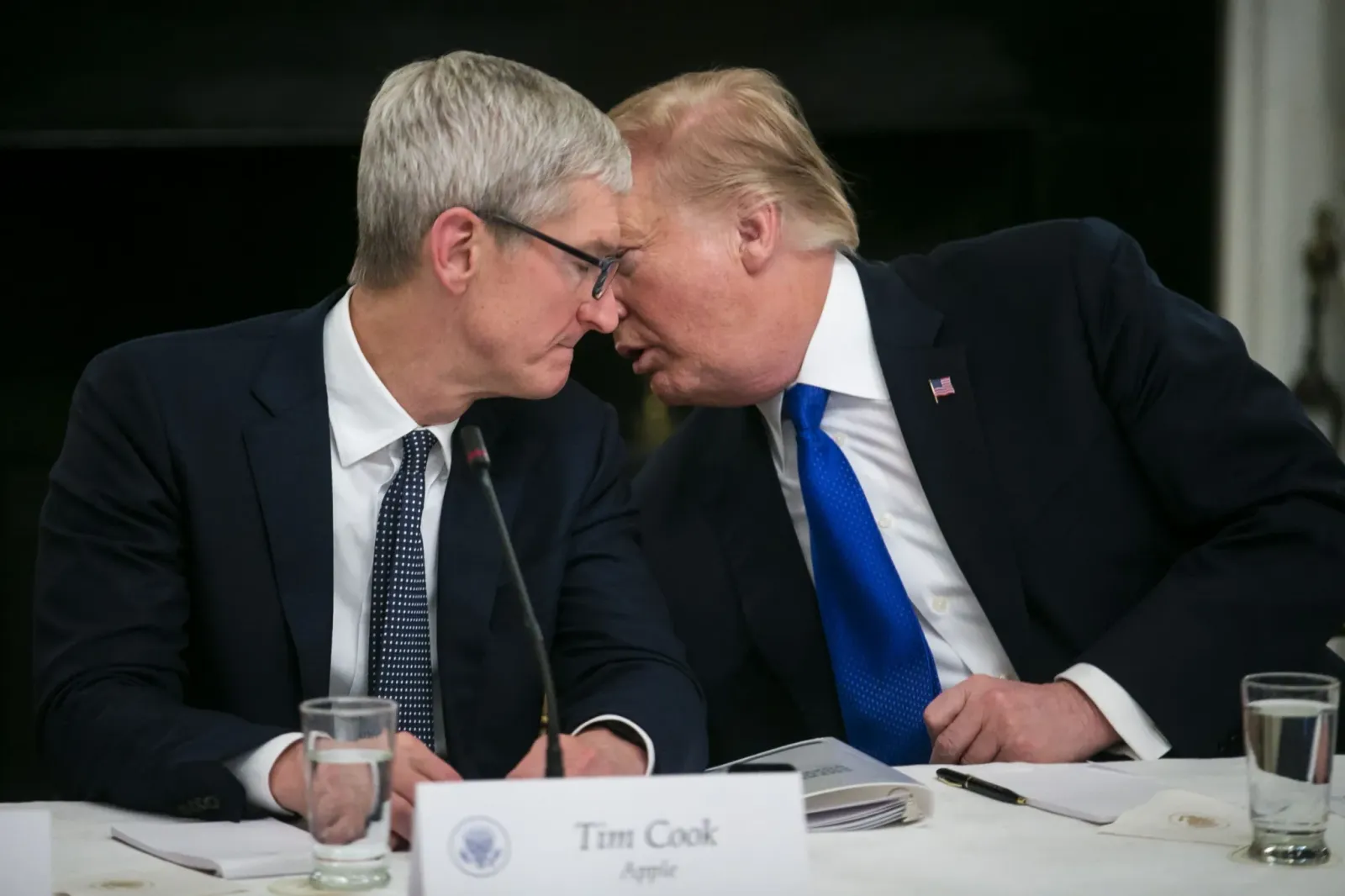
Tim Cook steps down as Apple CEO, stays on as chair with $45M equity
The 'Trump whisperer' keeps his White House and Beijing access as Apple navigates tariffs and a $4.6 trillion market cap.
Snowflake shares surge as AI data demand crushes estimates, lifting full-year forecast
Stocks jumped on stronger-than-expected guidance, signaling enterprise AI workloads are accelerating faster than Wall Street priced in.
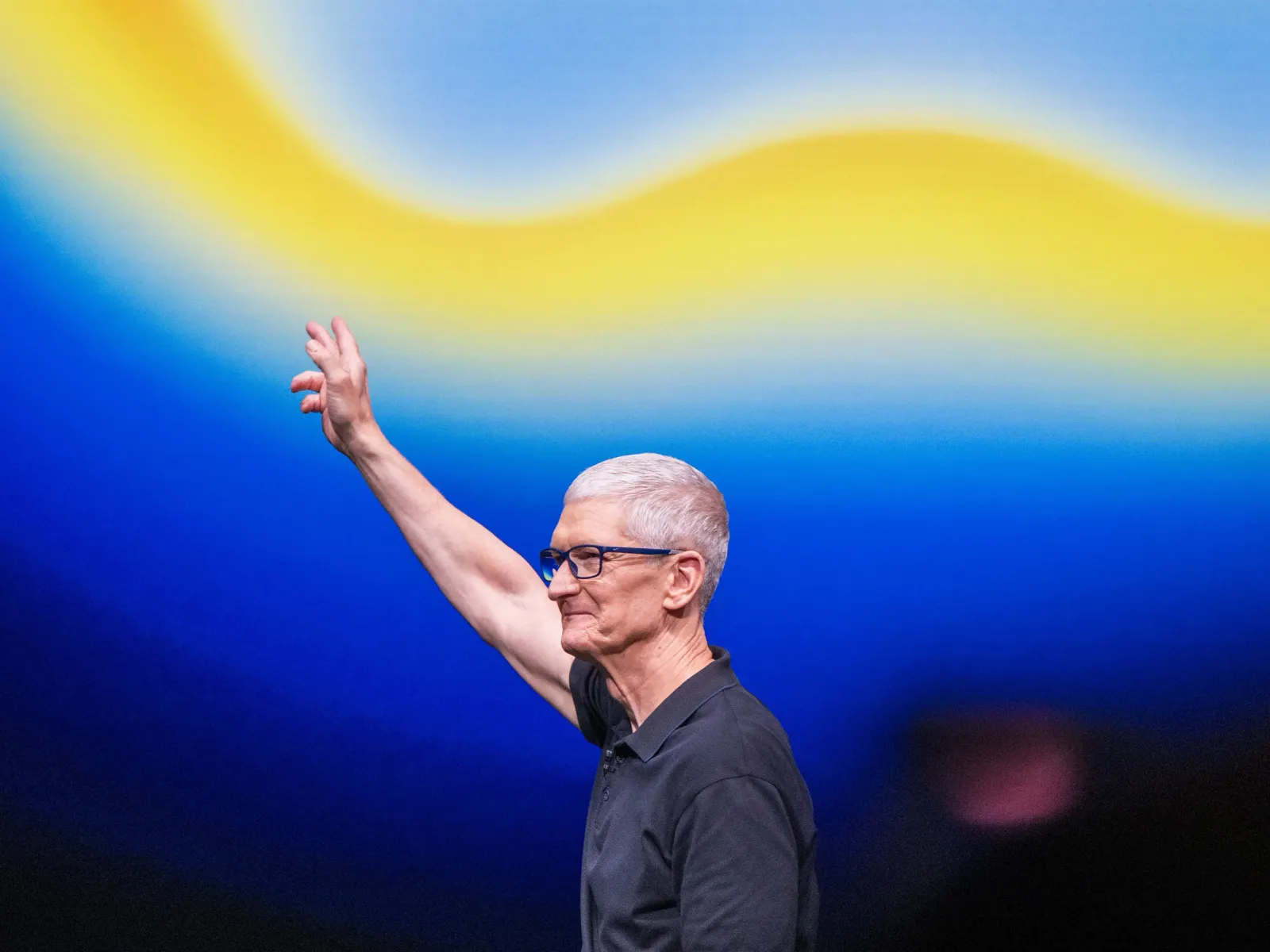
Tim Cook's 15-year Apple CEO run ends: 3 lessons for any successor
After 15 years, Tim Cook hands Apple to John Ternus - here's how he turned a $350B company into a $4.6T juggernaut.