
Netflix and Toho finally collaborate on Human Vapor, debuting July 2
The eight-episode sci-fi thriller lands with Netflix branding, but it is rooted in Toho’s 1960 The Human Vapor.
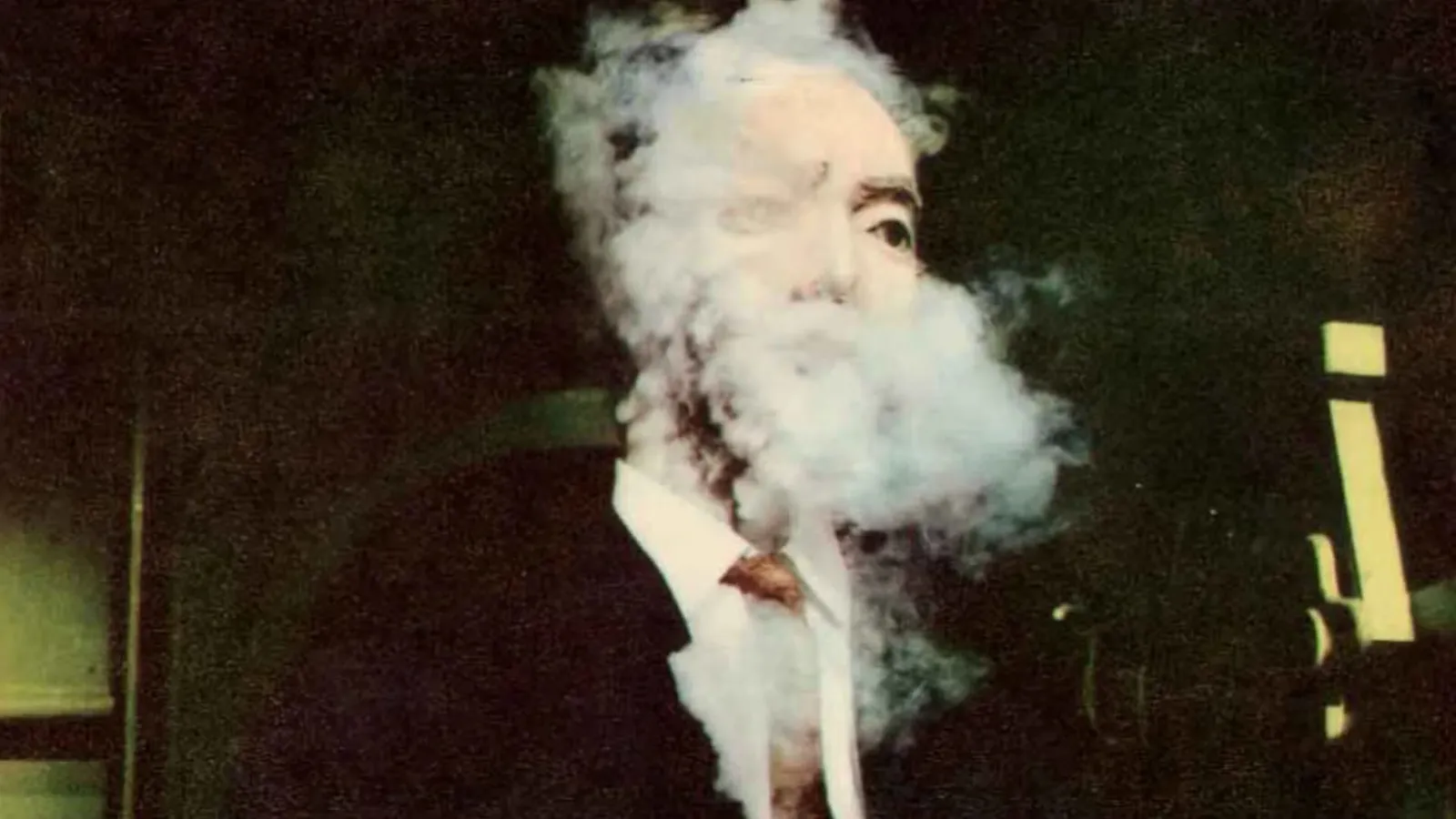
Netflix’s eight-episode series Human Vapor premieres July 2 and reunites South Korean and Japanese production houses with Toho. The collaboration is Netflix’s first with Toho, expanding the studio-to-streaming pipeline beyond the Godzilla brand.
In less than two weeks, Netflix is about to drop Human Vapor, an eight-episode sci-fi thriller series premiering on July 2. And here is the part that matters for deal-minded operators: this is not just a random Netflix Original. It is the very first collaboration between Netflix and Toho, the Japanese studio best known for its Godzilla franchise, paired with South Korean and Japanese production houses.
The premise also carries a second “wait, what?” layer. Human Vapor looks like it could be a fresh, high-concept thriller in the style of The Invisible Man (1933) or 4D Man (1959). But it is technically not an original idea in concept, even if Netflix brands it as a Netflix Original. The series is based on Toho’s 1960 hit The Human Vapor, described as one of Toho’s best non-Godzilla films. So the bet is not “can we reinvent the genre.” The bet is “can we modernize a proven sci-fi property and package it for a global subscriber base.”
Why this matters is simple: collaborations like this are a roadmap for where IP value flows when streaming platforms mature. Netflix has already become a distribution engine for international content, but attaching itself to Toho is different because Toho is not just a content supplier, it is a legacy sci-fi brand. The Godzilla association brings instant recognition, but this project deliberately points attention at a lesser-known Toho entry from the Showa era, the 1960 film The Human Vapor. That tells you Netflix is willing to go beyond the most obvious franchise surfaces, which is a strategic clue for anyone trying to understand what will get financed next.
From an incentives standpoint, there are two parties with different priorities that still rhyme. Netflix needs series that feel distinct enough to keep audiences engaged, and it also needs rights and production relationships that reduce risk. Toho needs reach, and streaming is one of the most reliable ways to turn back-catalog and genre assets into new revenue streams without waiting for theatrical cycles. In other words, Human Vapor is a content partnership that trades credibility for scale. Netflix gets Toho’s sci-fi pedigree, and Toho gets Netflix’s global distribution.
There is also the question of how to interpret “Netflix Original” when the underlying concept is not original. In many media markets, that phrase can create friction for audiences and sometimes for rights stakeholders, because branding implies newness. Here, the article is clear that the series is “technically not an original in concept,” because it is based on the 1960 hit The Human Vapor. That is an important nuance for decision-makers watching brand expectations. If subscribers expect “original” to mean a brand-new premise, then licensing and adaptation require careful positioning. Netflix’s approach here seems aimed at genre fans who are less concerned with novelty-for-novelty’s-sake and more concerned with execution.
Another angle: collaboration structure. The series brings together South Korean and Japanese production houses as well as Toho, and it marks Netflix’s first collaboration with Toho specifically. That multi-country production model is a familiar play in modern streaming. It can help with storytelling and production logistics, but it also functions like a risk spread: different creative and operational strengths, different market understanding, and different pathways to localization. For boards and senior executives, that can be the quiet advantage behind a surface-level “cool sci-fi thriller” headline.
Regulatory background is not front and center in the source, but the implications for governance are still real. Streaming licensing, co-production agreements, and cross-border IP handling typically require legal and compliance alignment across jurisdictions. When a platform teams up with a major studio like Toho for the first time, the stakes are higher for paperwork discipline, rights clarity, and distribution rules. Even when a project is entertainment first, the operational side can become a gating factor for future collaborations, especially if either party wants to scale the model.
So what should executives and investors take from this? Human Vapor is less about whether sci-fi thrillers work, and more about how legacy genre IP gets repackaged for streaming. It is also a test of whether a Toho property from 1960 can be translated into an eight-episode modern format that still feels like “the vibe” people associate with classic sci-fi. And because it is Netflix’s first collaboration with Toho, it is also a signal: if this partnership succeeds, the next “non-Godzilla” Toho project could become a template for how Netflix expands its international studio relationships beyond the biggest headline brands.
This story's Key Insights and Take-aways are locked.
Create a free account to unlock Executive Actions for one credit.
Register to UnlockAlways free for Executives Club members. Join the Club
More in Entertainment

Messi’s 18th World Cup goal beats Marta as Argentina wins 2-0
The GOAT storyline finally tilts the record books, while Egypt ends a 92-year World Cup wait and Spain steadies itself.

Shanghai cinemas bet on anime and live sports to pull younger spend amid box-office slump
Theaters are redesigning the moviegoing experience in Shanghai to fight China’s downturn, targeting younger audiences and their wallets.

Toy Story 5 opens $312M, and Pixar proves sequels can still grow audiences after 31 years
The age data and box office swing show how “waiting years” plus a story-first approach is beating IP fatigue.