
Shanghai cinemas bet on anime and live sports to pull younger spend amid box-office slump
Theaters are redesigning the moviegoing experience in Shanghai to fight China’s downturn, targeting younger audiences and their wallets.
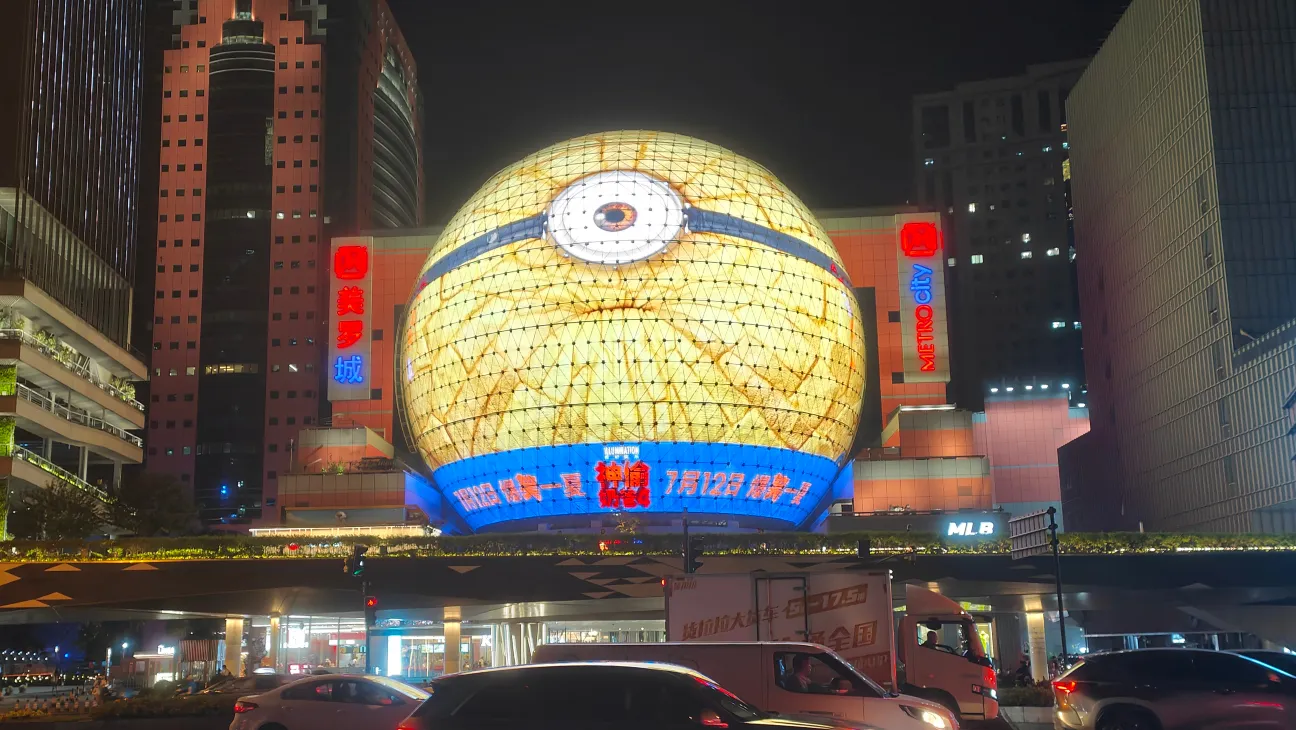
Shanghai is reinventing its movie theater strategy with anime-themed and live sports cinema concepts aimed at luring younger crowds. For decision-makers, the shift signals how exhibitors may stabilize revenue when traditional box-office demand softens.
Shanghai is taking a very specific swing at China’s movie theater problem: instead of competing only on what is on the screen, it is changing what theaters feel like in the real world. Cinemas themed around anime and live sports are drawing younger audiences, and, crucially, their spending. That matters right now because the broader environment for exhibitors is not getting easier. China’s box office is in a downturn, which means fewer blockbuster opportunities to reliably fill seats and recover costs the usual way.
This is the core bet Shanghai is making. By building themed experiences that connect to youth culture, theaters are trying to turn casual interest into real transactions. Anime and live sports are not just genres for this strategy. They are brands and communities, with their own habits and motivations. In practice, the theater becomes a destination beyond the standard “watch a film and leave” routine. The incentive is straightforward: when box-office performance weakens, exhibitors need alternative audience pull and monetization paths that are less dependent on any single release cycle.
Zoom out, and the move looks like a response to how movie theaters typically earn money. Most revenue streams are linked to demand for new screenings, and that demand is vulnerable when the overall box office contracts. When the pipeline is softer, theaters can end up with more empty showtimes, more intense competition for limited audience attention, and pressure to keep pricing flexible while costs stay stubborn. The Shanghai approach is one way to reduce that risk. Themed cinemas can create repeat motivation, not just one-time turnout. If a theater offers something that feels culturally “current,” it can capture audiences who want an experience now, not merely content at some later date.
It also reflects a broader shift in how entertainment venues think about audiences. Younger viewers are often described in the industry as more selective and more experience-driven. That does not mean they stop watching movies. It means they may decide to go to a theater based on whether it fits their identities, communities, and social lives. Anime-themed programming and live sports experiences map neatly onto those dynamics. These themes can encourage group outings, event-style attendance, and even behaviors that look like “pay for the scene” instead of “pay only for the ticket.” From an operator’s perspective, that is a meaningful lever, especially when overall box-office momentum is slipping.
There is also a strategic implication for how theaters position themselves in the competitive ecosystem. Shanghai, by leaning into distinctive themes, is trying to contend with the downturn without pretending the downturn is temporary. This is not a wait-and-see play. It is an active redesign of the customer journey. In many markets, exhibitors can only influence so much: they book showtimes and collaborate with distributors, but they cannot fully control what is released or how audiences respond to it. A themed venue, by contrast, gives exhibitors more direct control over the “why now” factor. That can help them stabilize attendance patterns even when the mainstream box-office calendar looks unpredictable.
Second-order, this kind of theater reinvention can ripple into partner incentives. Anime IP and live sports content often operate with existing fandoms and merchandising ecosystems. When theaters align their physical experience with those ecosystems, they can benefit from audience demand that is not purely tied to theatrical releases. Even without changing what films are available, themed venues can broaden the appeal of cinema-going into something closer to an ongoing event. For stakeholders, that can change how success is measured. Instead of only tracking ticket volume for a given release, operators may also watch whether themed programming increases frequency of visits and reduces volatility month to month.
For decision-makers evaluating similar moves in other Chinese cities, Shanghai’s direction offers a clear message: when the box office is under pressure, exhibitors may need to win on relevance, not just content. The strategic stakes are revenue stability, brand loyalty, and the ability to keep theaters economically viable through a softer cycle. If anime and live sports themed cinemas continue to lure younger crowds and their spending in Shanghai, it could set a template for how theaters rebuild resilience amid downturn conditions. And if it works, the “movie theater” may stop being a passive venue and become an active cultural platform, designed to keep audiences engaged even when traditional box-office signals wobble.
This story's Key Insights and Take-aways are locked.
Create a free account to unlock Executive Actions for one credit.
Register to UnlockAlways free for Executives Club members. Join the Club
More in Entertainment

Messi’s 18th World Cup goal beats Marta as Argentina wins 2-0
The GOAT storyline finally tilts the record books, while Egypt ends a 92-year World Cup wait and Spain steadies itself.

Netflix and Toho finally collaborate on Human Vapor, debuting July 2
The eight-episode sci-fi thriller lands with Netflix branding, but it is rooted in Toho’s 1960 The Human Vapor.

Toy Story 5 opens $312M, and Pixar proves sequels can still grow audiences after 31 years
The age data and box office swing show how “waiting years” plus a story-first approach is beating IP fatigue.