
Netflix’s Man on Fire turns vengeance into a weekend binge built for Jack Ryan fans
A popular novel gets the TV treatment: John Creasy’s pursuit is nonstop action plus serious emotional fuel.

Netflix’s action series Man on Fire, starring Yahya Abdul-Mateen II as John Creasy, adapts a popular novel into a TV format. For decision-makers tracking streaming strategy, it signals how franchises reshape narrative pacing to win audiences.
If Prime Video’s Jack Ryan finale left you staring at the streaming home screen like it owes you answers, Netflix’s Man on Fire is the escape hatch. It is a seven-part action series built around a familiar franchise pattern: a popular novel adapted into a TV format. But it is not just “more episodes.” It is vengeance engineered for binge speed, starring Yahya Abdul-Mateen II as the unrelenting John Creasy.
The hook here is simple: Man on Fire is a wild ride through the dark depths of vengeance, and Creasy is relentless. The series leans hard into the same kind of high-energy momentum Jack Ryan fans typically crave, while also doing something TV can do better than movies, it stretches the protagonist’s development across a serialized structure. That changes how you experience the action. You get the fast hits, but you also get the longer fuse, the build-up that makes each escalation feel earned instead of random.
To understand why this matters for executives and operators, zoom out to how action franchises usually evolve. The source points out that it is not unusual for franchises to switch formats. The Jack Ryan story itself started as a popular book series, then expanded across movies and a TV show. That format switching is basically the industry admitting a hard truth: movies and TV optimize for different things. Films are typically compact, high-octane bursts, with the plot and character development compressed into a tight runtime. Television, by contrast, has more room to use a more serialized structure. It can extend a protagonist’s development, letting the audience stay emotionally attached as the stakes rise.
Man on Fire follows that logic. It adapts a popular novel into a TV format, and the result is described as a perfect mix of ludicrous action sequences and a complicated action hero on a relentless pursuit of vengeance. That phrasing matters, because “ludicrous action” is usually code for spectacle. But the series does not stop at spectacle. The action is paired with complications inside the hero, which is what keeps viewers from treating the show like a set of stunt reels. In practice, that means the series can keep people watching episode to episode without relying solely on cliffhangers.
There is a second-layer implication underneath the viewing pleasure: streaming companies are competing on narrative design as much as on brand. If you are managing content strategy, this is the recurring lever. A franchise already has an audience or at least a recognizable premise. But the real work is deciding how to turn that premise into a consumption habit. A seven-part structure, the serialized pacing, and the focus on a single pursuing protagonist all contribute to habit formation. The binge model is not just a marketing word. It is a product decision that affects completion rates, social sharing, and what viewers consider “worth continuing.”
Even more, the source frames Man on Fire as “the perfect weekend binge,” which is an operational clue: it is designed for short-term viewing cycles, not just long-term prestige retention. Executives watching this kind of performance typically care about whether a show can convert casual browsers into active viewers quickly. A serialized action thriller that keeps the protagonist in motion, while still feeding character complexity, is well-suited to that weekend sprint.
Now bring it back to the specific audience signal: Jack Ryan fans. The source directly connects the formats and emotional payoff. Jack Ryan fans know how franchises reshape themselves across movies and TV. The series on Prime Video ends, leaving a void. Man on Fire steps into that void by offering an action-forward, serial storytelling experience that feels familiar in tone, while still delivering its own identity through Creasy’s vengeance-driven trajectory.
For boards and senior leaders, the strategic stake is that these format shifts can strengthen a streaming slate in ways that are hard to replicate. When a novel gets the TV treatment, the platform is not simply buying a property. It is re-engineering narrative pacing, character depth, and viewer engagement loops. Man on Fire’s premise and execution, as described, suggest a clear formula: pair relentless pursuit with enough complexity to make the action emotionally sticky. In a market where audiences have endless options, that combination can be the difference between a show people “try” and a show people finish in one weekend.
This story's Key Insights and Take-aways are locked.
Create a free account to unlock Executive Actions for one credit.
Register to UnlockAlways free for Executives Club members. Join the Club
More in Entertainment
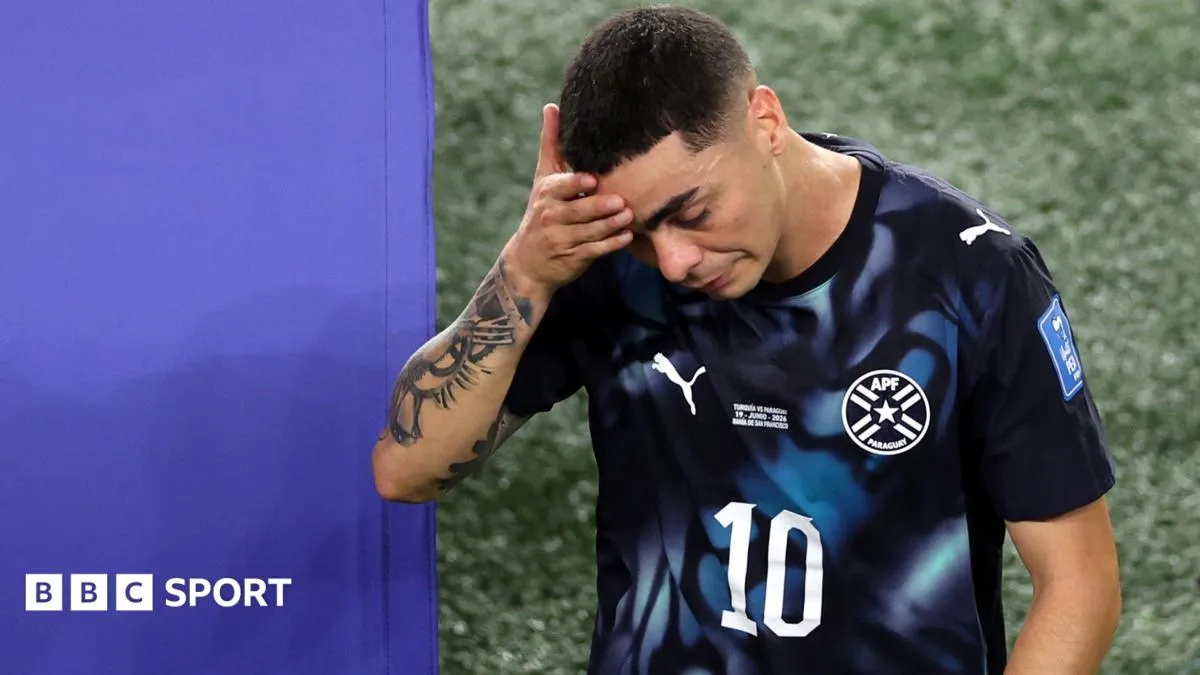
Miguel Almiron becomes first to get a red for covering his mouth at World Cup
Paraguay's Miguel Almiron was sent off for covering his mouth to speak to an opponent, in the Turkey match.

Famke Janssen says Marvel “made a mistake” excluding her from Avengers: Doomsday
With the Dec. 18 release locked in, the X-Men actor calls out what it means for legacy cast returns and brand trust.
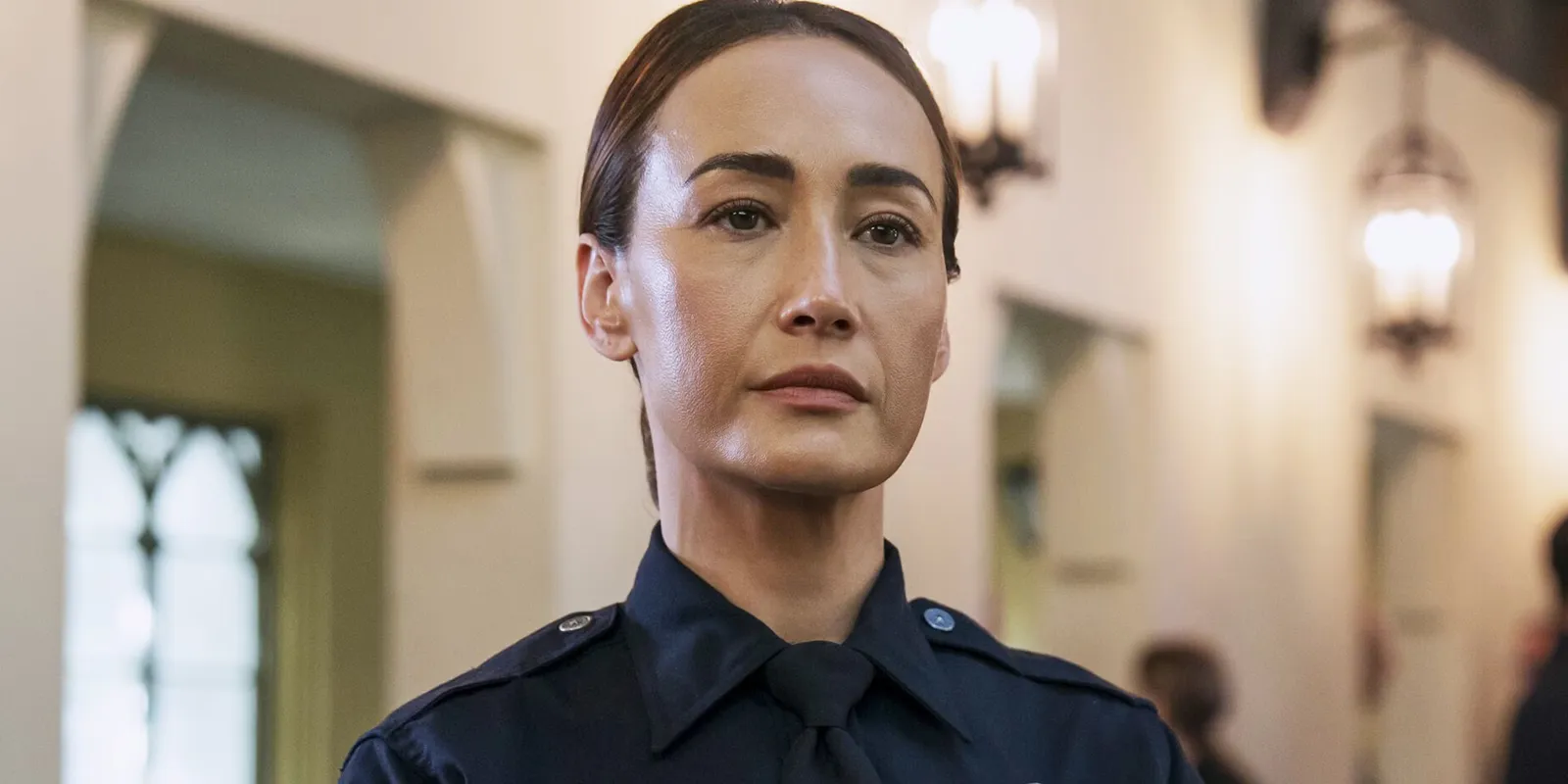
Prime Video’s Ballard hands Maggie Q the lead, and the detective thriller is already expanding
A standalone spin-off of Bosch turns toxic-masculinity scrutiny into a case you can’t stop watching.