
Netflix’s Tina Fey comedy “White Lotus” replacement adds 8 episodes for Season 3
Renewal makes Tina Fey’s vacation-chaos plan longer, faster, and more expensive, just as prestige TV races heat up.
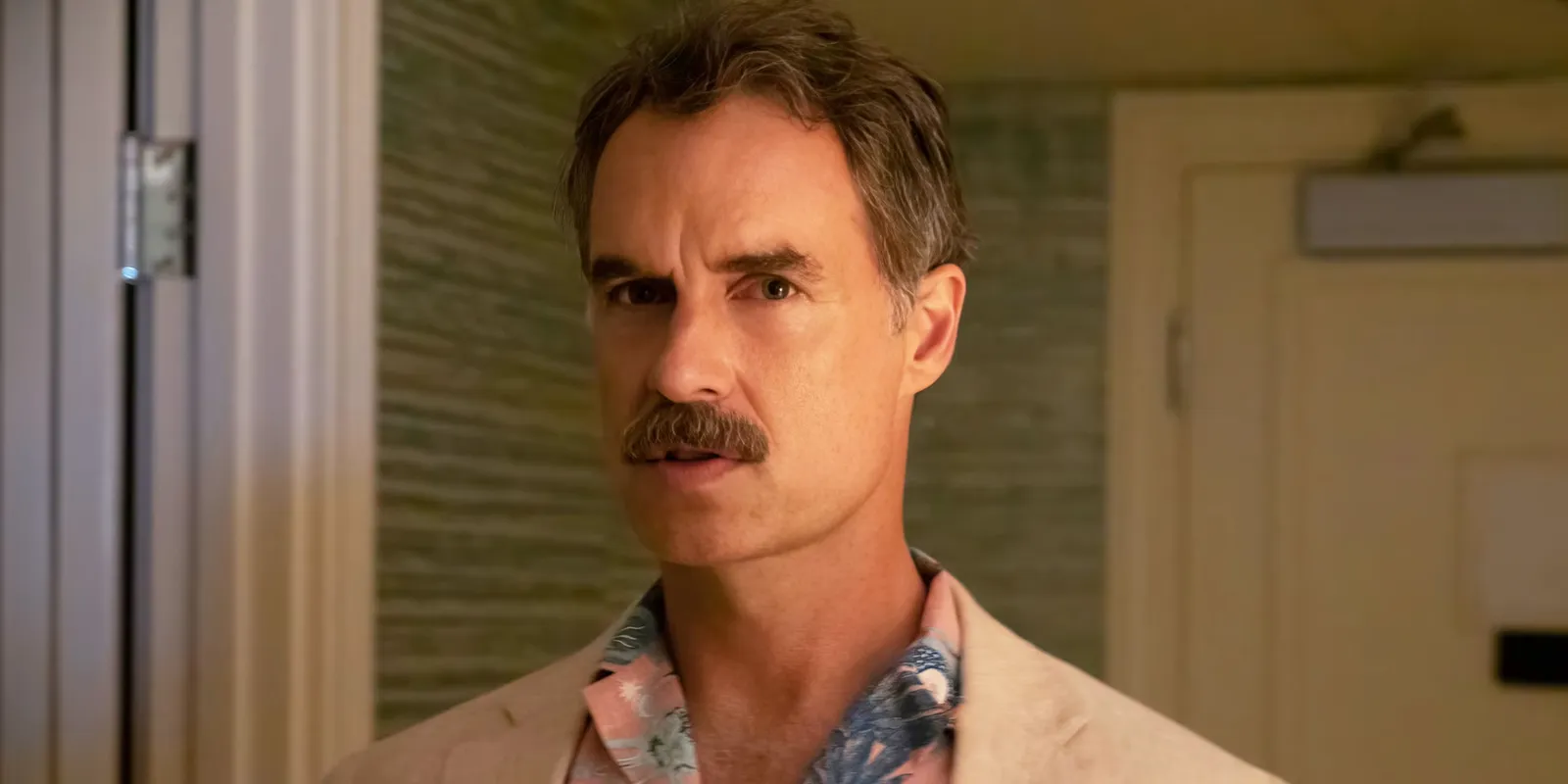
Netflix has officially renewed its Tina Fey-led “White Lotus” replacement for Season 3 with 8 new episodes in the works. For decision-makers, it extends a proven format into another cycle while studios lock in production schedules and audience attention.
Netflix has officially renewed its Tina Fey-led replacement for HBO’s “The White Lotus” for Season 3, with 8 new episodes now in the works. That means the vacation-chaos machine gets another full season run, not a wait-and-see cameo. If you are an executive tracking what kinds of shows keep audiences trained on “one week, one location, one social pressure cooker,” this renewal is a clear signal that the playbook still prints.
The key to why this matters is the format itself. “The White Lotus” has worked since 2021 by stacking dazzling casts into extravagant vacation destinations and then letting the clock tick for a week as guests and their bad behavior crash into the reality of the employees who have to keep service running. What started as a limited series created by Mike White has evolved into an Emmy juggernaut, and the industry noticed. Netflix is now explicitly leaning into the same viewer instinct: watch the ultra-privileged posture, then watch the hidden darkness under the polished facade leak through.
Netflix’s move lands in the same moment that “The White Lotus” is actively expanding its own scope. The series already spans multiple vacation worlds, with new stars heading to new locations from Hawaii to Italy, Thailand, and now France for Season 4. For this latest outing, filming began back in April, and Collider notes a twist that widens the center of gravity. The new season now ties its action to the Cannes Film Festival, which is not just a setting. It is an industry stage. It is celebrity proximity. It is cultural permission to be extra. That kind of branding matters because prestige television is increasingly about who gets to “occupy” the spotlight, not just who gets a story.
Meanwhile, Netflix’s season ordering is a practical business decision dressed up as entertainment. More episodes mean more pre-production, more cast, more location work, more editing, and more marketing inventory. It also means more runway to refine what worked in prior seasons and to double down on what didn’t. When a platform renews a format like this with a fixed episode count, it is choosing certainty over experimentation. In a market where streaming services have been pressured from multiple directions, “proven” formats can look like financial calm in a storm.
There is also a competitive timing angle. Collider frames Netflix as a rival vacation-centric comedy gearing up for another round of trips with friends while “The White Lotus” continues. That is important for decision-makers because audience habits are sticky once a viewer’s calendar is trained. If a show keeps arriving with similar rhythms, it can become part of the seasonal viewing routine. Renewals with 8 new episodes suggest Netflix wants that routine to keep forming. Not just one season, but momentum.
On the incentive side, prestige drama and comedy both sit inside a broader awards and reputational economy. Even though Collider’s source talks directly about Emmy success for “The White Lotus,” the underlying logic extends beyond awards. Recognition can drive subscriber interest, press cycles, and talent attraction. When “The White Lotus” becomes an Emmy juggernaut event, it also raises the benchmark for its competitors. Netflix’s Tina Fey-led project is effectively buying a seat at that table, using a format known for satirizing the ultra wealthy and exposing what happens beneath their picture-perfect facades.
Regulatory considerations might not be front and center in a streaming renewal announcement, but governance does shape production realities. Television that targets wealthy elites and darker undercurrents often triggers heightened scrutiny around portrayal, workplace dynamics, and on-set practices. Even without citing new rules, executives should recognize that high-visibility productions tend to attract more attention, and attention tends to mean more compliance overhead. The “8 episodes” decision therefore is also an operational risk decision. More episodes can magnify both the upside and the scrutiny.
So what is the strategic stake for peers? This is a format that works because it combines spectacle, social satire, and a tight time window of escalating outcomes. Netflix’s renewal tells the market that the time-window recipe is still worth investing in, and that Tina Fey’s version is not being treated as a one-off experiment. For board members, investors, and studio leaders, the question shifts from “will audiences watch vacation chaos?” to “who owns the next prestige splash cycle, and how quickly can you manufacture the next one without diluting the brand?” In a competitive content landscape, the people who can reliably turn a recognizable structure into fresh destinations and fresh stakes keep winning mindshare, and that is what this 8-episode commitment is designed to protect.
This story's Key Insights and Take-aways are locked.
Create a free account to unlock Executive Actions for one credit.
Register to UnlockAlways free for Executives Club members. Join the Club
More in Entertainment

Taylor Swift’s “I Knew It, I Knew You” hits No. 1, her 15th Hot 100 crown
The Toy Story 5 single breaks a tie, tops Hot Country Songs too, and reshapes what executives measure in hit-making.

Blizzard sues Project Ascension, calling it “large-scale, egregious, ongoing” WoW copyright infringement
A private World of Warcraft server hits a lawsuit that could reshape how game communities run, fund, and defend mods.

Be Afraid Media buys “Creepy,” giving Jon Grilz control of a 1,200+ episode catalog
The acquisition transfers full ownership of the creepypasta hit, while its creator-host stays in charge of “Creepy’s” next chapter.