
Blizzard sues Project Ascension, calling it “large-scale, egregious, ongoing” WoW copyright infringement
A private World of Warcraft server hits a lawsuit that could reshape how game communities run, fund, and defend mods.
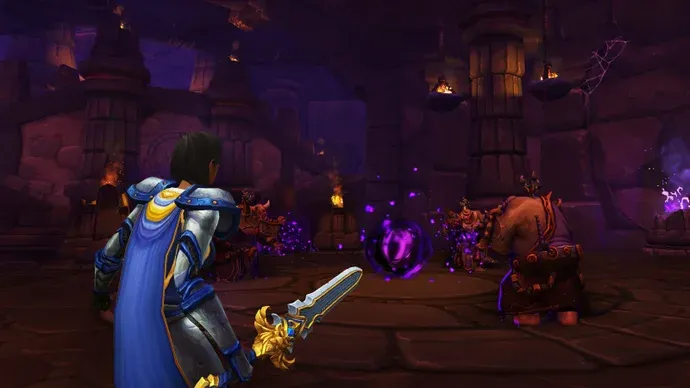
Blizzard has filed a copyright lawsuit against the private World of Warcraft server project, Project Ascension. The complaint alleges “large-scale, egregious, and ongoing infringement of Blizzard’s intellectual property,” turning a community experiment into a legal fight.
Blizzard has filed a copyright lawsuit against Project Ascension, a private World of Warcraft server project. In the court filing, Blizzard describes it as “large-scale, egregious, and ongoing infringement of Blizzard’s intellectual property.”
That specific language matters because it signals more than a routine cease-and-desist. It is an escalation from informal enforcement toward a formal dispute with potential pressure points for the people running the server, any operators enabling it, and the ecosystems around it. In other words, this is Blizzard telling a judge that the conduct is not a one-off mistake, it is persistent and at a scale the company believes warrants litigation.
For decision-makers watching this space, the headline story is straightforward: Blizzard is using copyright law to attack a private version of a major game experience. The deeper story is that private servers sit in a gray zone that can be technically reachable but legally brittle. A private server is often pitched as preservation, experimentation, or community fun. But once that project materially recreates copyrighted content or distribution-like functionality, rights holders tend to treat it as infringement rather than harmless tinkering.
This is also a business story about why rights-holders sue at all. Large publishers have to protect more than individual assets. They protect the market meaning of their own worlds: official versions, licensing arrangements, and the value of a living franchise. When a private project competes for attention, users, and familiarity, the risk to the commercial ecosystem can be more than economic. It can dilute brand control and complicate future partnerships.
From a corporate governance perspective, litigation like this can be a board-level issue even if the target is not a traditional competitor. Lawsuits are expensive, unpredictable, and precedent-setting. They can also force internal teams to divert time from product work into legal strategy, evidence gathering, and compliance changes. Boards and executive teams at major media and software companies tend to weigh these costs against the risk of under-enforcement, because weak enforcement can make future actions harder.
There is also a market-wide second-order effect: other community projects may reassess their risk posture. Not every mod or private server will be sued. But once Blizzard names Project Ascension and alleges “large-scale, egregious, and ongoing infringement,” it becomes a reference point. Operators of similar projects do not just ask, “Will we be sued?” They ask, “What will the rights-holder say about our scale and intent?” That framing, once established in a filing, can influence settlement pressure even before a full merits battle.
Regulatory context matters in the background even when the immediate case is copyright-focused. The enforcement environment for digital content is shaped by evolving interpretations of copyright, how courts view copying in software-like contexts, and how rights holders document infringement. While the source here does not provide further procedural details, the structure of Blizzard’s allegation suggests it is building a record around duration and magnitude, not just a technical similarity argument.
For executives at game companies, platforms, and investor groups, the strategic stake is simple. This case is a signal about the threshold at which a major publisher will move from community tolerance to legal confrontation. If Project Ascension is described as ongoing and egregious at large scale, then other operators should assume that “community-built” does not automatically translate into “legally safe.” And for anyone funding or supporting ecosystem tooling around game servers, the lesson is that diligence has to include legal risk, not just engineering feasibility or user enthusiasm.
This story's Key Insights and Take-aways are locked.
Create a free account to unlock Executive Actions for one credit.
Register to UnlockAlways free for Executives Club members. Join the Club
More in Entertainment

Taylor Swift’s “I Knew It, I Knew You” hits No. 1, her 15th Hot 100 crown
The Toy Story 5 single breaks a tie, tops Hot Country Songs too, and reshapes what executives measure in hit-making.

Netflix’s Tina Fey comedy “White Lotus” replacement adds 8 episodes for Season 3
Renewal makes Tina Fey’s vacation-chaos plan longer, faster, and more expensive, just as prestige TV races heat up.

Be Afraid Media buys “Creepy,” giving Jon Grilz control of a 1,200+ episode catalog
The acquisition transfers full ownership of the creepypasta hit, while its creator-host stays in charge of “Creepy’s” next chapter.