
Nigel Farage admits George Cottrell paid for filming and let him use his London home
The Reform leader says the pre-election support from a fraudster and media backers was “totally undeclarable”. Here is what he admitted.
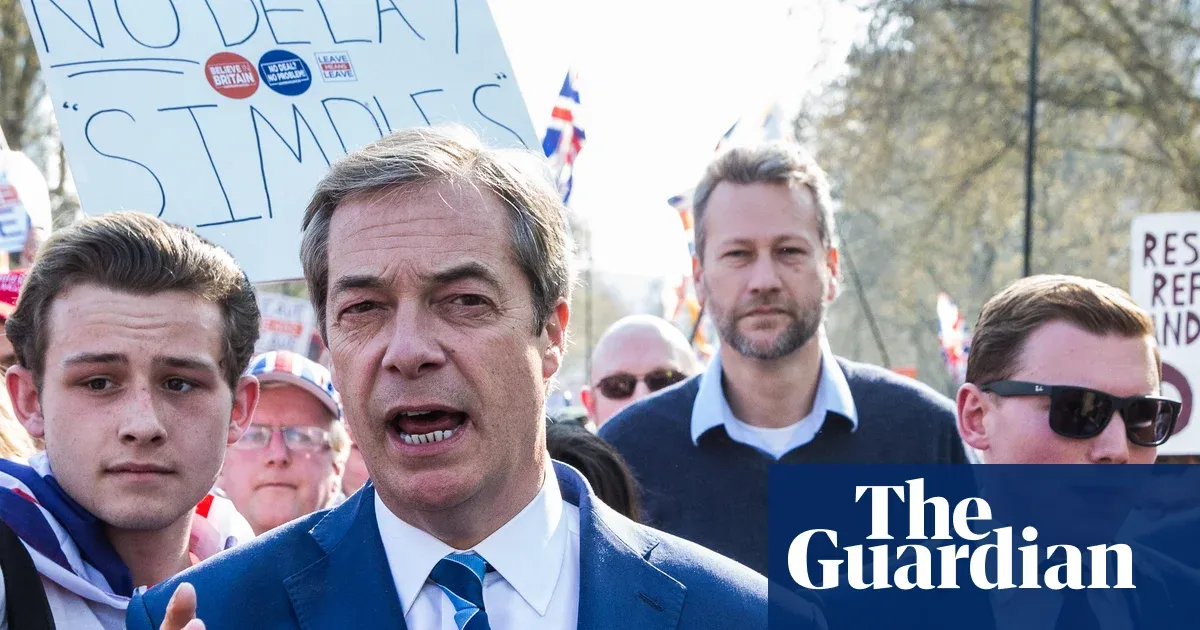
Nigel Farage, the Reform UK leader, admitted in a Triggernometry podcast interview that George Cottrell, described as a fraudster, paid for social media filming and let him use a London home before the last election. The disclosure matters for decision-makers because it spotlights how political financing and declarations can become legally and reputationally explosive.
Nigel Farage has admitted that George Cottrell, described as a fraudster, paid for social media filming and let him use one of his London homes before the last election. Farage, the Reform UK leader, made the admission while speaking in depth for the first time about his support from Cottrell, and he insisted that it was “totally undeclarable in every single way”.
That “undeclarable” claim is the headline-worthy pivot. Farage is not merely acknowledging a friendship; he is describing specific forms of assistance: access to a London home and payment for filming used for social media. Those details matter because election law and political ethics typically turn on what kind of support it is, who provides it, how it is used, and whether it triggers declaration or reporting obligations.
According to the account, Farage discussed this alongside another source of support: a £5m gift from Christopher Harborne, described in the report as a Thailand-based businessman. The interview was with the anti-woke Triggernometry podcast, and the article frames Farage's comments as a first, deeper look at the pattern of support he says he received ahead of the last election. In other words, this is not one vague mention of “help”. It is a description of a real-world pipeline: money and assets used to produce political messaging.
For executives and board-level decision-makers, the second-order issue is incentives. Political operators, like corporate actors, often face a basic tradeoff: accept support that accelerates reach, or constrain relationships that create compliance risk. The report gives a glimpse into what happens when acceleration comes from actors who may also have other controversies attached. When support includes both access (a home) and production costs (filming), it blurs the line between informal networking and functionally campaign-like activity.
Regulatory background helps explain why this can snowball. In most regulated environments, “declarable” is not a vibe. It is a category that determines whether something must be declared, reported, or recorded in a way regulators can audit. Farage's insistence that the support is “totally undeclarable in every single way” is therefore not a rhetorical flourish. It is a legal positioning statement. The article's framing signals that the question is not whether support existed, but whether the form of support should have triggered disclosure.
The mention of a fraudster is also not trivial. Even if the legal outcome hinges on declaration rules, the reputational outcome can be immediate and durable. In governance terms, controversies connected to counterparties tend to propagate through systems: donors, intermediaries, content producers, and platforms. If the story becomes a proxy for “who is behind the message,” it can create pressure not only on a candidate, but on anyone tasked with compliance, legal review, and brand risk. That is why the specific mechanics matter. A “gift” is easier to treat as a discrete transaction. A paid-for filming arrangement plus home access is a different operational footprint.
The fact pattern also lands in a broader context about modern campaigning. Social media has changed how quickly political messaging can be created and amplified, often compressing time between spend and impact. That can lead campaigns to favor immediate production support. But from a disclosure perspective, speed can collide with paperwork. If filming is paid for and facilities are offered, the compliance question becomes whether those resources were provided as political support and whether they were accounted for in the way regulators require.
For peers in similar roles, the strategic stake is clear: governance is not only about what you intend. It is about what can be evidenced, categorized, and audited later. Farage's admission that the support came from George Cottrell, paired with a specific counterweight of a £5m gift from Christopher Harborne, suggests a mosaic of assistance with legal implications. Even where a leader believes something is “totally undeclarable,” boards, legal teams, and compliance officers elsewhere should read this as a reminder that transparency arguments can become their own battlefield. When political and media operations run on relationships and paid production, the audit trail has to be ready before the interview.
This story's Key Insights and Take-aways are locked.
Create a free account to unlock Executive Actions for one credit.
Register to UnlockAlways free for Executives Club members. Join the Club
More in Politics

LA County: DOJ's 20,000 'noncitizen' voter list is 'unreliable,' includes U.S.-born
Preliminary review by Los Angeles County election officials finds errors in the federal list, raising the stakes for voter roll integrity ahead of November.

Trump's $1.5B Pentagon chip investment lands in North Carolina
A $1.5 billion defense infusion for North Carolina chipmaking signals a new era of Pentagon-backed reshoring - here's what it means for the industry.

Nigeria confirms first Ebola case in Abuja, a woman just off a Uganda flight
Health Minister Muhammad Ali Pate says the patient flew in from Uganda, putting Africa's latest outbreak on Nigeria's doorstep.