

Nvidia's Jensen Huang rejects Bill Gates' robot tax: 'I don't see what he sees'
The chipmaker CEO argues AI will be a net job creator and fuel reindustrialization, pushing back on Gates' plan to tax automation.
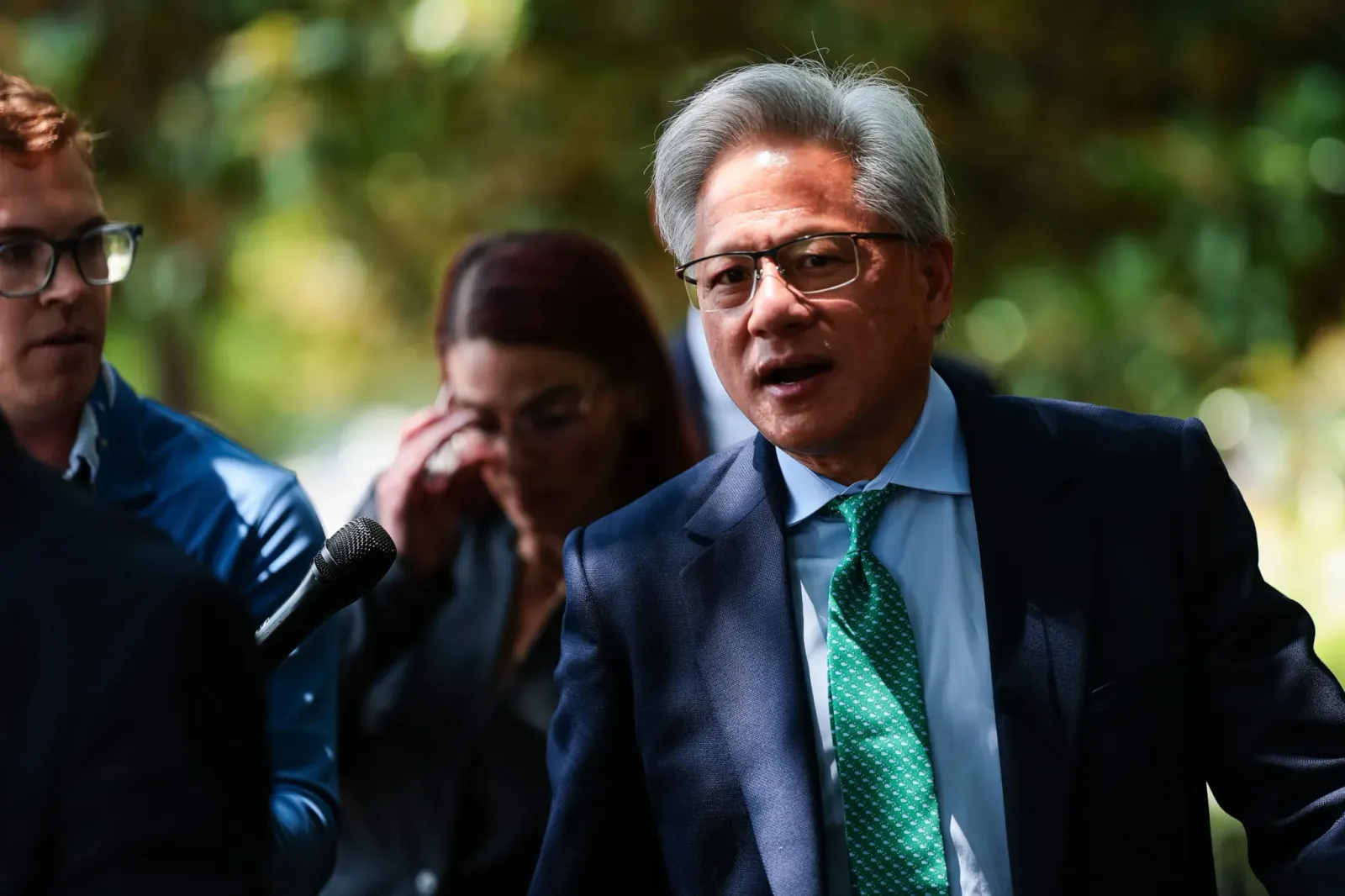
Nvidia CEO Jensen Huang publicly disagreed with Bill Gates' proposal to tax robots and AI tokens, arguing that AI will create more jobs than it displaces. The rift highlights a growing policy debate over how to manage AI's economic impact, with implications for corporate tax strategy and workforce planning.
Nvidia CEO Jensen Huang has publicly rejected Bill Gates' proposal to tax robots and AI tokens, telling Fox Business that while he "love[s] the heck out of Bill," he "doesn't see what he sees." Huang, who has built a $3 trillion chip empire, is "perfectly fine" with higher taxes on the ultra-wealthy but disagrees with Gates' specific mechanism to slow AI-driven job displacement. "I'm in favor of taxes," Huang said, "and I think that... for anybody who is productive, it's a great way for us to contribute back to society and the economy. But the fact of the matter is, there are probably lots of different ways to approach this."
Gates, in an essay this week, argued that the current tax code incentivizes automation because employers can write off robots as business expenses while paying payroll taxes on human workers. He suggested a tax would "slow the rush away from human labor a little and raise money for retraining and a stronger safety net." Huang counters that history shows productivity gains lead to hiring, not layoffs, and that AI will be a "net job creator at a scale that we have never seen." "When companies are more productive, they don't lay off people, they hire more people," he said, pointing to corporate ambitions for growth as the reason.
The disagreement is more than a philosophical spat between two tech titans; it cuts to the heart of how governments and boards should prepare for AI's labor market impact. Gates, a self-professed AI optimist, struck a markedly cautious tone in his op-ed, warning of "stunted" child development, emboldened criminals, and vanishing jobs for Gen Z. He argues that if AI takes human jobs, income tax revenues will drop, leaving states without funds for retraining or safety nets. Huang, by contrast, sees AI as a force for reindustrialization, particularly in the United States. "We have lots and lots of white-collar workers, but we're also going to have a lot of skilled labor," he said. "Having a large population of skilled labor and people who build things and make things with their hands is tremendous for the United States. We want to reindustrialize the United States."
Huang's optimism is rooted in his belief that AI will expand, not shrink, the economic pie. He has previously argued that skilled blue-collar workers like plumbers and electricians will be in high demand as data centers are built globally. This week, he doubled down, framing the AI era as one of "reindustrialization" that will create jobs "right now as we speak." His stance aligns with Nvidia's own trajectory: the company's chips power the AI boom, and its executive team has minted billionaires, while Huang personally ensures competitive pay. But his rejection of Gates' tax proposal also reflects a broader corporate interest in minimizing regulatory friction on automation investments.
For decision-makers, the Huang-Gates divide signals that AI taxation is moving from fringe idea to mainstream policy debate. Several governments have floated similar concepts, and Gates' proposal - which would tax robots or AI tokens - could gain traction if job displacement accelerates. The asymmetry Gates highlights is real: payroll taxes on humans versus immediate write-offs for machines create a fiscal nudge toward automation. Huang's counterargument - that productivity historically leads to hiring - offers a different lens, but it remains untested in an AI-driven economy where the scale of disruption is unprecedented.
The stakes are immediate for CFOs and boards. If robot or AI taxes become law, they would directly alter the ROI of automation projects, potentially slowing capital expenditure in sectors like manufacturing, logistics, and software. Conversely, Huang's reindustrialization thesis suggests that companies investing in AI infrastructure and skilled labor could benefit from policy tailwinds, especially if governments prioritize domestic production. The debate also underscores the need for workforce planning: even if AI is a net job creator, Huang acknowledges "many jobs will be disrupted," requiring sensitivity and support.
Ultimately, Huang's public break with Gates is a reminder that the AI revolution's winners and losers are not predetermined. It is a policy choice. Executives should watch how this debate evolves, because the tax code they operate under tomorrow may look very different from today's. As Huang put it, there are "lots of different ways to approach this" - and the approach chosen will shape not just corporate balance sheets, but the entire labor market's trajectory.
This story's Key Insights and Take-aways are locked.
Create a free account to unlock Executive Actions for one credit.
Register to UnlockAlways free for Executives Club members. Join the Club
More in Business
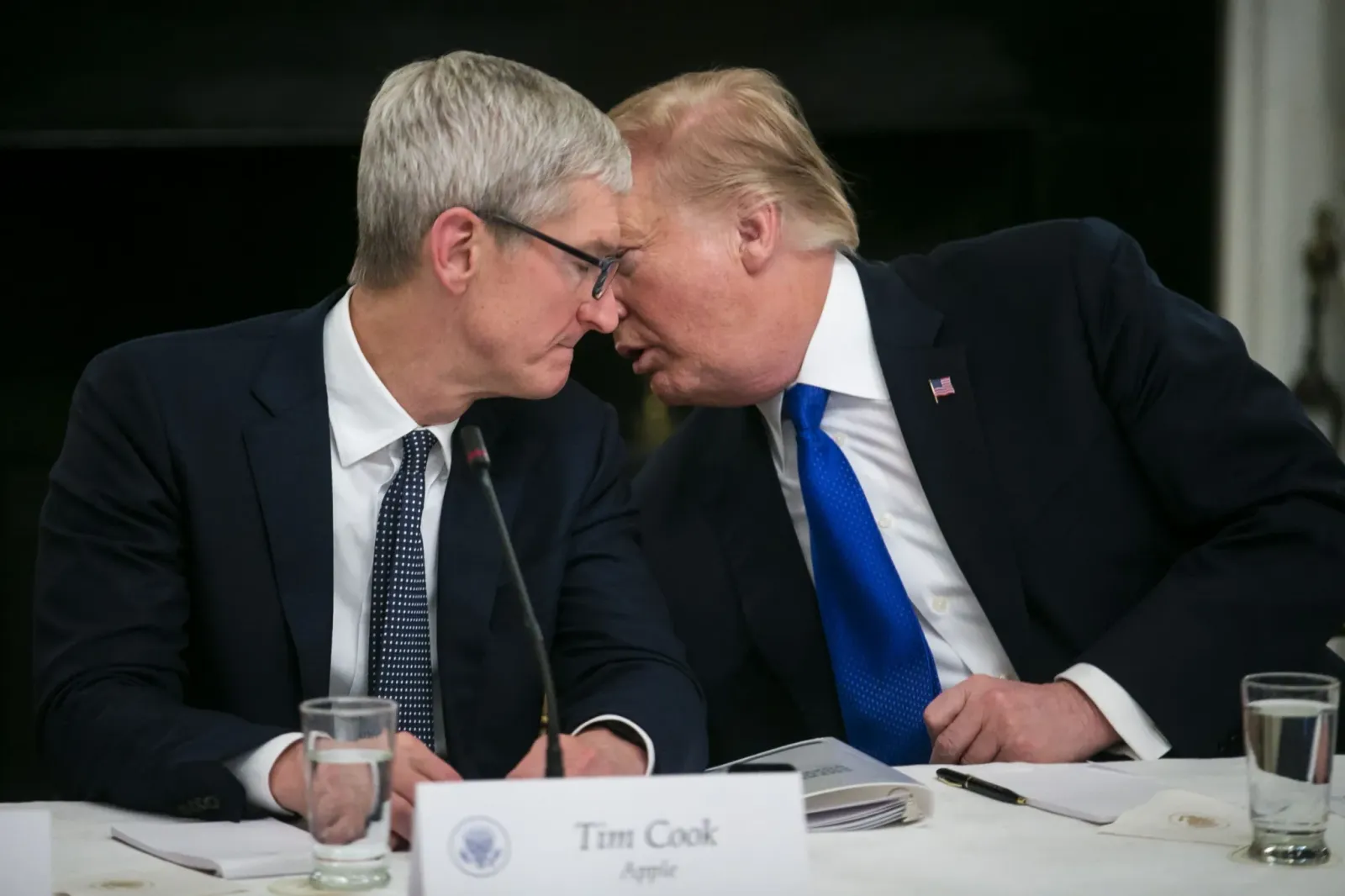
Tim Cook steps down as Apple CEO, stays on as chair with $45M equity
The 'Trump whisperer' keeps his White House and Beijing access as Apple navigates tariffs and a $4.6 trillion market cap.

Snowflake shares surge as AI data demand crushes estimates, lifting full-year forecast
Stocks jumped on stronger-than-expected guidance, signaling enterprise AI workloads are accelerating faster than Wall Street priced in.
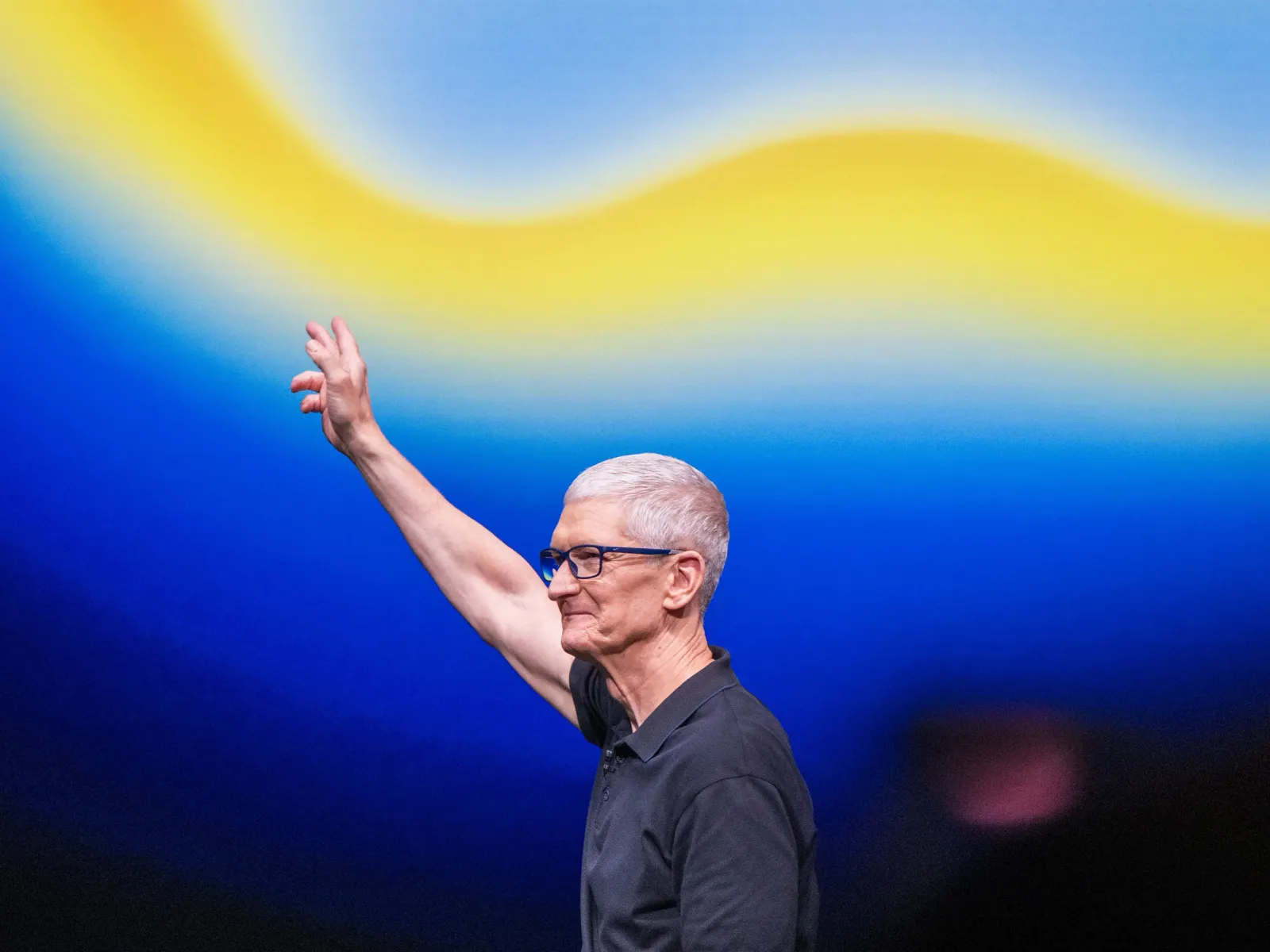
Tim Cook's 15-year Apple CEO run ends: 3 lessons for any successor
After 15 years, Tim Cook hands Apple to John Ternus - here's how he turned a $350B company into a $4.6T juggernaut.