
Nvidia supplier Unimicron probed over China-made parts relabeling
The probe into Unimicron's alleged relabeling of China-made parts could shake AI supply chains and force stricter vendor audits.
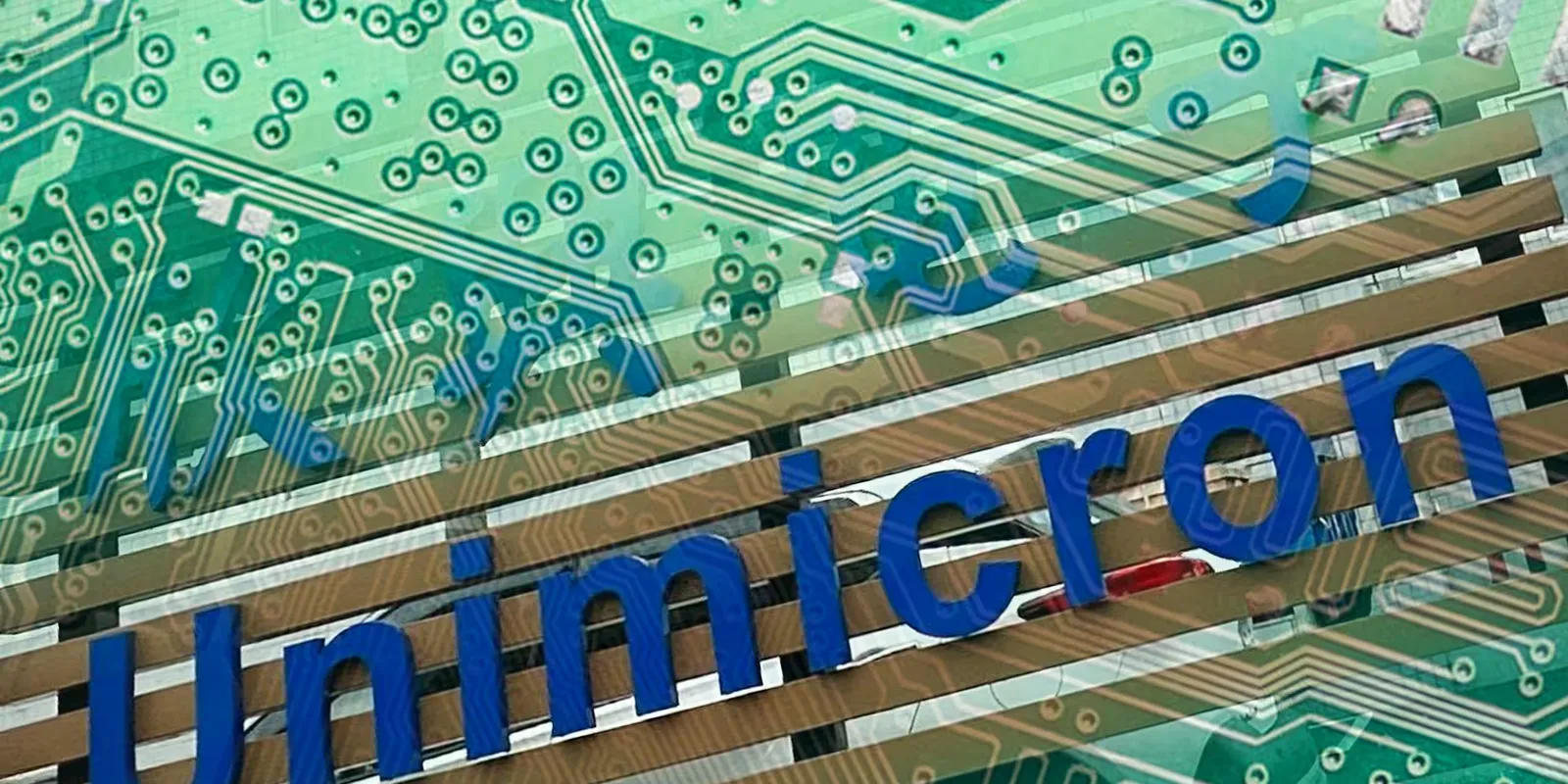
Unimicron, a key Nvidia supplier, is under investigation for allegedly relabeling China-made parts, according to Nikkei Asia. The probe threatens to disrupt substrate supplies for AI chips and push tech giants to tighten supply chain compliance.
Unimicron, one of the world's largest makers of IC substrates and a critical supplier to Nvidia, is being probed over allegedly relabeling China-made parts, according to Nikkei Asia. The investigation strikes at the heart of the AI hardware supply chain, where trust in component origins is now a matter of national security and corporate survival. If the allegations hold, Unimicron could face penalties, export restrictions, or a forced restructuring of its sourcing practices - and Nvidia, its marquee customer, would feel the shockwaves almost immediately.
For context, Unimicron is not a peripheral vendor. It produces the advanced substrates that connect a chip's silicon die to the rest of the system, a component so specialized that only a handful of companies worldwide can make them at scale. Nvidia relies on these substrates for its highest-end GPUs, the same chips powering the AI boom. Any disruption to Unimicron's output - whether from regulatory action, customer defections, or a compliance overhaul - could ripple through Nvidia's delivery timelines and, by extension, the data center buildouts of every major cloud provider.
The probe centers on the alleged relabeling of China-made parts, a practice that would directly undermine U.S. export controls and trade rules. Washington has spent the past several years tightening restrictions on advanced semiconductor technology, particularly anything that could strengthen China's military or AI capabilities. For a supplier like Unimicron, which operates factories in Taiwan and elsewhere, the accusation implies a deliberate attempt to obscure the true origin of components - a move that, if proven, would be a serious breach of trust and law.
This is not just a Unimicron problem. The entire electronics industry runs on complex, multi-country supply chains where components change hands and labels multiple times before reaching a final product. The probe is a stark reminder that origin claims are often taken on faith, and that faith is now a liability. For Nvidia and other chip buyers, the immediate question is whether Unimicron's other customers - AMD, Qualcomm, and a host of others - are also exposed. The answer will determine how quickly the industry moves to re-audit its own vendor networks.
Regulatory scrutiny is likely to intensify. The U.S. Commerce Department has been aggressive in pursuing export control violations, and a case involving a major Nvidia supplier would be a high-profile target. If Unimicron is found to have violated rules, it could face fines, denial of export privileges, or even criminal referral. Even if the company is cleared, the investigation itself will force it to spend months or years proving its compliance systems are sound, distracting management and consuming capital that could have gone toward capacity expansion.
For Nvidia, the timing could not be worse. The company is already grappling with unprecedented demand for its AI accelerators, and any supply chain hiccup translates directly into lost revenue and frustrated customers. Nvidia has been working to diversify its substrate suppliers, but Unimicron remains a key partner. The probe may accelerate Nvidia's efforts to qualify alternative sources, but that takes time - and in the AI race, time is the scarcest resource of all.
The broader lesson for executives is that supply chain transparency is no longer a back-office concern. It is a board-level risk that can trigger regulatory action, customer churn, and reputational damage. Companies that source components from multiple countries need to verify not just the final assembly point but every step of the journey. The Unimicron probe is a warning shot: regulators are watching, and the cost of looking the other way is rising by the day.
As the investigation unfolds, expect other chipmakers and substrate buyers to quietly review their own supplier agreements. Expect compliance teams to demand more documentation, more audits, and more contractual teeth. And expect Unimicron's competitors to use this moment to pitch themselves as safer alternatives. For now, the only certainty is uncertainty - and in a market built on precision, that is the most dangerous thing of all.
This story's Key Insights and Take-aways are locked.
Create a free account to unlock Executive Actions for one credit.
Register to UnlockAlways free for Executives Club members. Join the Club
More in Business
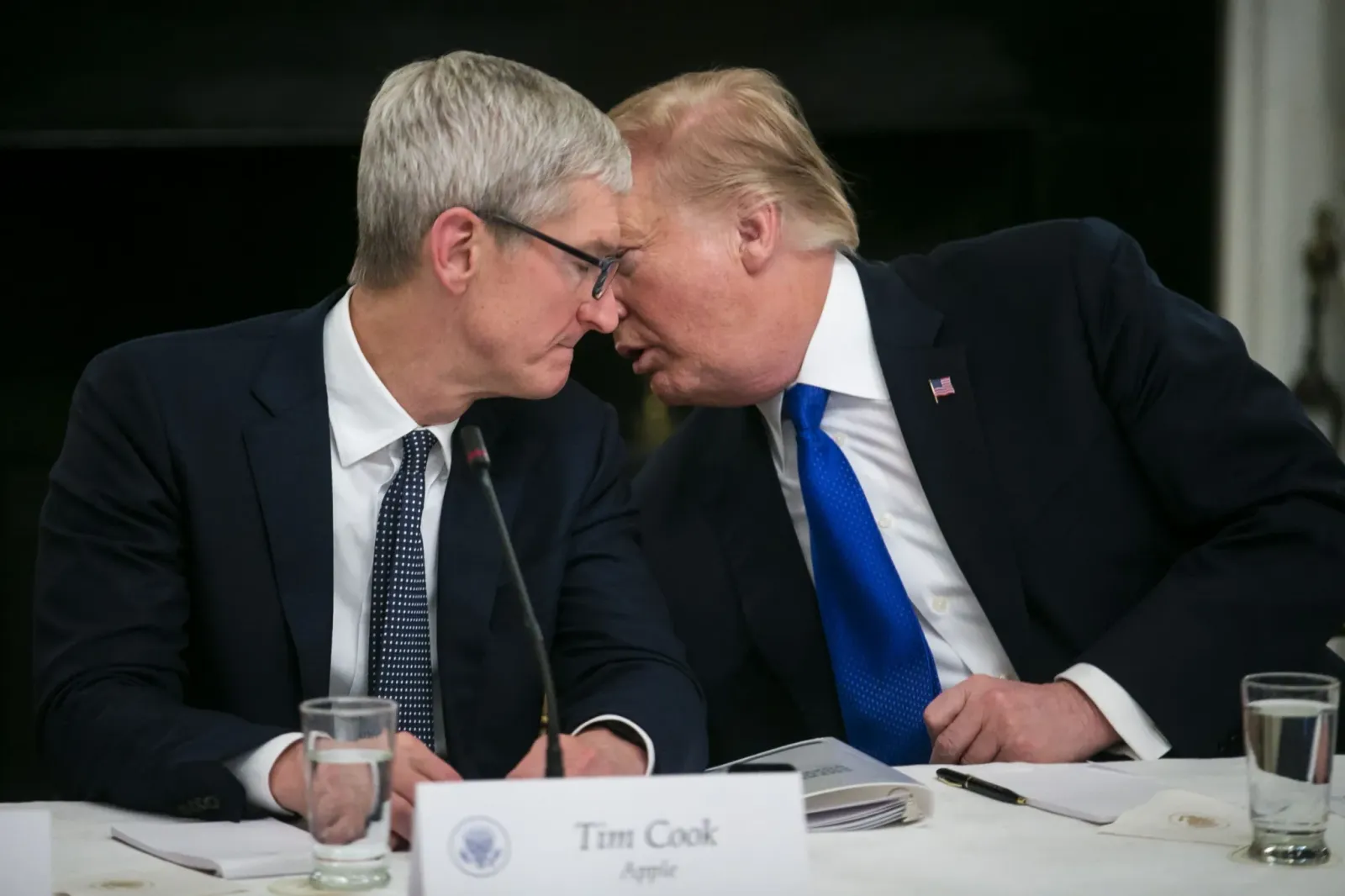
Tim Cook steps down as Apple CEO, stays on as chair with $45M equity
The 'Trump whisperer' keeps his White House and Beijing access as Apple navigates tariffs and a $4.6 trillion market cap.

Snowflake shares surge as AI data demand crushes estimates, lifting full-year forecast
Stocks jumped on stronger-than-expected guidance, signaling enterprise AI workloads are accelerating faster than Wall Street priced in.

Tim Cook's 15-year Apple CEO run ends: 3 lessons for any successor
After 15 years, Tim Cook hands Apple to John Ternus - here's how he turned a $350B company into a $4.6T juggernaut.