
NYC's top 1% now pocket 37% of all income. That's a tax trap.
A new comptroller report shows inequality widening in New York City, even as the ultrawealthy fund nearly half of all income tax.

New York City Comptroller Mark Levine released a report showing income inequality worsened from 2019 to 2024, with the top 1% capturing 37% of all income. The concentration creates a fiscal catch-22 for policymakers, since the top 1% pay about 46% of all city income tax.
New York City Comptroller Mark Levine's new report delivers a number that should make any policymaker pause: in 2024, the top 1% of earners took home 37% of all income in the city, while the top 10% captured over 60%. The finding lands as part of a broader trend from 2019 to 2024, where real income fell for the bottom 90% of earners even as it grew 16.2% for the top 1%. That widening gap is not a story about wages. Pay for the lowest earners actually grew the fastest, with traditionally lower-wage roles like food preparation and healthcare support seeing the strongest gains, while higher-paying professions like management and legal saw more modest growth. The inequality is driven by what sits at the top of the income pyramid: non-wage income. In 2024, the top 10% made over half of their income from sources like rental properties, business ownership, and financial investment gains, rather than salaries. Lower-paid workers, by contrast, rely on weekly wages as their primary source of income. That structural difference is exactly why the report lands as a political flashpoint. Everyday workers pay income tax on their salaries, but the non-wage assets that fuel the richest New Yorkers' growth are often federally taxed at preferential rates. That gap has fueled calls from left-leaning politicians to tax the rich more heavily, and New York City is now ground zero for that debate. The catch-22 is stark: the top 1% of earners already pay roughly 46% of all income tax in the city. That means the ultrawealthy are not just a symbol of inequality, they are the fiscal backbone of city services. Tax them too aggressively, and the revenue base could shift, move, or find new loopholes. Tax them too lightly, and the inequality gap keeps widening. Mayor Zohran Mamdani is now navigating exactly that tension. The first substantive tax move from the city and state was a pied-à-terre tax, aimed at higher earners who own property in the city but do not pay income taxes there. That is a targeted, narrow step, not a broad wealth tax, and it signals how carefully elected officials are treading. The report also reflects a demographic shift: millionaires have flocked back into the city over the past few years, while lower earners have migrated out. That dynamic concentrates both income and political pressure. For executives and investors, the report is a reminder that New York's tax base is increasingly dependent on a very small slice of high earners. Any policy that changes how capital gains, rental income, or business income are taxed in the city will have an outsized effect on the top 10%, and by extension, on the city's budget. The national trend points the same direction: non-wage income is becoming a larger share of total income for the highest earners, which is why the debate over taxing wealth rather than wages is not going away. For CFOs and founders with exposure to New York, the strategic question is not whether the city will raise taxes on the wealthy, but which forms of income will be targeted first. The pied-à-terre tax was the opening move. The comptroller's report lays out the battlefield for the next one.
This story's Key Insights and Take-aways are locked.
Create a free account to unlock Executive Actions for one credit.
Register to UnlockAlways free for Executives Club members. Join the Club
More in Business

Tim Cook steps down as Apple CEO, stays on as chair with $45M equity
The 'Trump whisperer' keeps his White House and Beijing access as Apple navigates tariffs and a $4.6 trillion market cap.

Snowflake shares surge as AI data demand crushes estimates, lifting full-year forecast
Stocks jumped on stronger-than-expected guidance, signaling enterprise AI workloads are accelerating faster than Wall Street priced in.
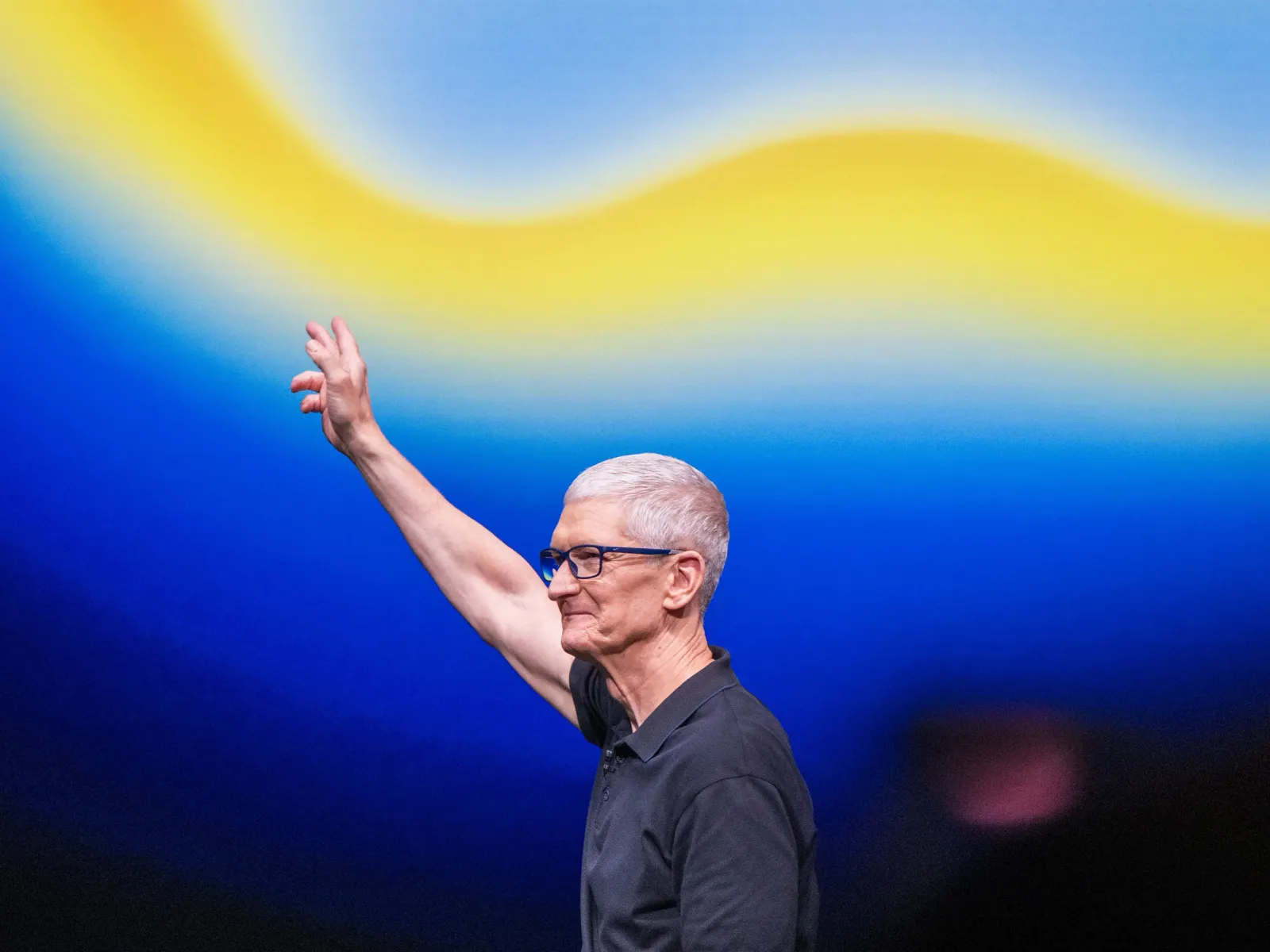
Tim Cook's 15-year Apple CEO run ends: 3 lessons for any successor
After 15 years, Tim Cook hands Apple to John Ternus - here's how he turned a $350B company into a $4.6T juggernaut.