
Oil Jumps to $90 as U.S.-Iran Attacks End a Month of Calm
The first U.S.-Iran strikes in a month pushed crude to $90 a barrel, and American drivers are feeling it at the pump.

Oil prices rose to $90 a barrel after the first U.S.-Iran attacks in a month, jolting energy markets. The average U.S. gasoline price is now 37% higher than before the war began, adding pressure on consumers and businesses.
Oil prices surged to $90 a barrel after the first U.S.-Iran attacks in a month, jolting energy markets and sending a fresh wave of uncertainty through the global economy. The move marks a sharp reversal from the relative calm that had prevailed over the past four weeks, when traders had begun to bet on a de-escalation of tensions in the Middle East. Now, with hostilities reignited, the market is bracing for potential supply disruptions and a prolonged period of volatility.
The $90 level is more than just a number. It is a psychological threshold that often triggers alarm among investors and policymakers, as it signals that energy costs are climbing to levels that can hurt economic growth. Historically, oil prices in this range have led to increased inflation expectations and tighter financial conditions. For the average consumer, the impact is already visible at the pump.
According to the latest data, the average U.S. gasoline price is now 37% higher than it was before the war began. That is a significant jump, and it translates directly into higher costs for commuting, shipping, and the production of goods that rely on transportation. Every fill-up costs more, and businesses are feeling the pinch as they pass on these expenses to customers.
The broader economic implications are substantial. Higher energy prices feed into inflation, which the Federal Reserve has been battling with a series of interest rate hikes. A sustained spike in oil could complicate those efforts, potentially delaying any plans to cut rates and keeping borrowing costs elevated for consumers and businesses. This could slow down economic activity, as households have less disposable income and companies face higher input costs.
The attacks themselves are the latest chapter in a long-running confrontation between the U.S. and Iran. The month-long lull had raised hopes that the two sides might be moving toward a more stable relationship, but the new strikes have dashed those expectations. The conflict remains deeply unpredictable, and the risk of further escalation is high. Energy markets are particularly sensitive to events in the region, given that a significant portion of global oil supplies pass through the Strait of Hormuz.
The Strait of Hormuz is a critical chokepoint, and any disruption there could have a dramatic effect on global oil prices. While there is no immediate indication that shipping has been affected, the mere threat of such an event is enough to keep traders on edge. The market is now pricing in a risk premium that reflects the possibility of supply interruptions, and that premium could grow if the conflict intensifies.
For consumers, the 37% increase in gasoline prices is a stark reminder of how geopolitical events can hit home. It is not just a number on a screen; it is a direct hit to household budgets and business bottom lines. As long as the conflict continues, the pressure on energy prices is likely to persist. The $90 oil price is a signal that the world is still far from a stable and peaceful resolution, and the economic consequences are being felt by everyone.
This story's Key Insights and Take-aways are locked.
Create a free account to unlock Executive Actions for one credit.
Register to UnlockAlways free for Executives Club members. Join the Club
More in Business
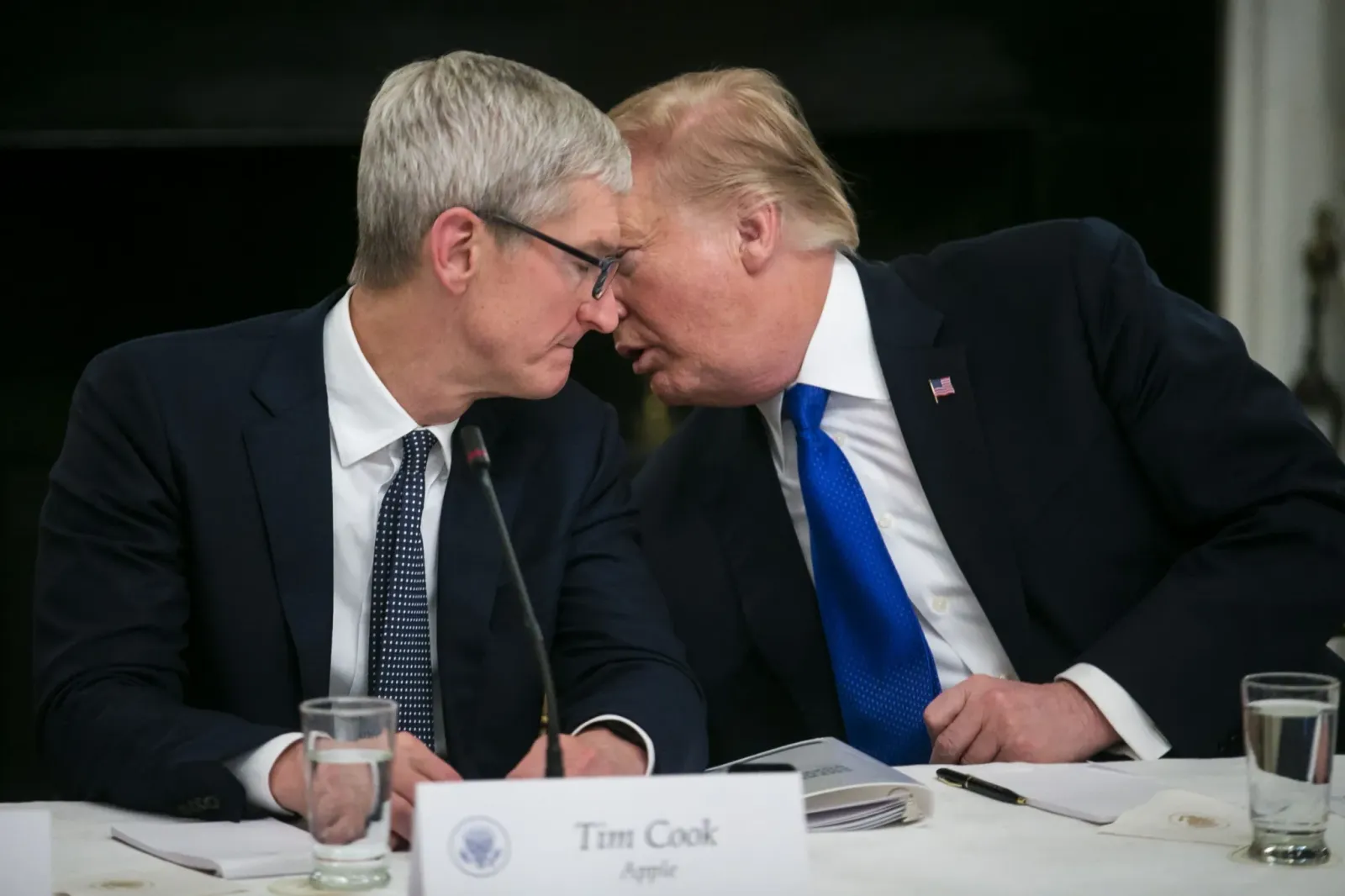
Tim Cook steps down as Apple CEO, stays on as chair with $45M equity
The 'Trump whisperer' keeps his White House and Beijing access as Apple navigates tariffs and a $4.6 trillion market cap.
Snowflake shares surge as AI data demand crushes estimates, lifting full-year forecast
Stocks jumped on stronger-than-expected guidance, signaling enterprise AI workloads are accelerating faster than Wall Street priced in.
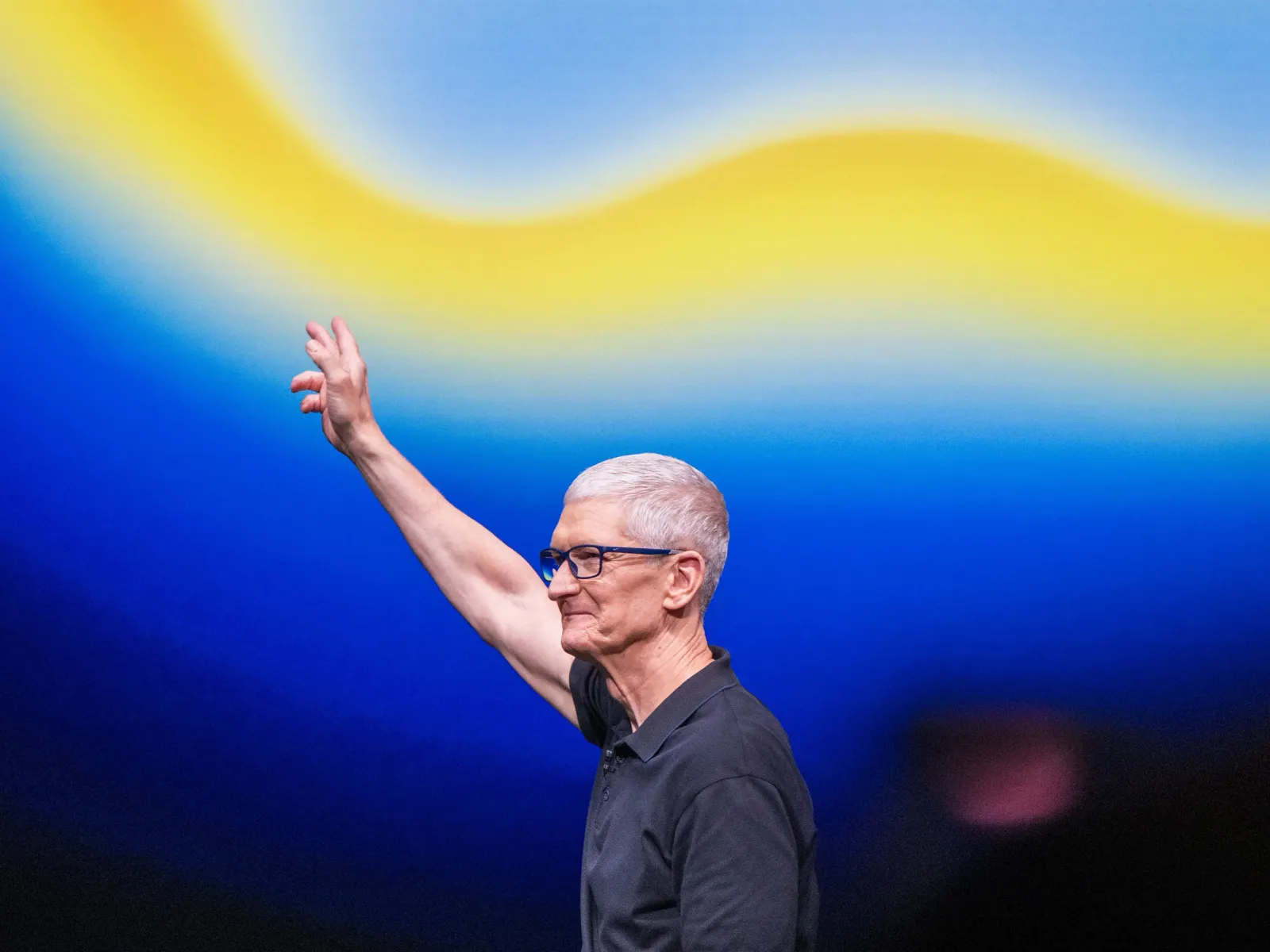
Tim Cook's 15-year Apple CEO run ends: 3 lessons for any successor
After 15 years, Tim Cook hands Apple to John Ternus - here's how he turned a $350B company into a $4.6T juggernaut.