

Oura is going public, but these smart ring rivals are coming for its crown
The smart ring market is heating up as Oura prepares to go public, with rivals racing to dethrone it.
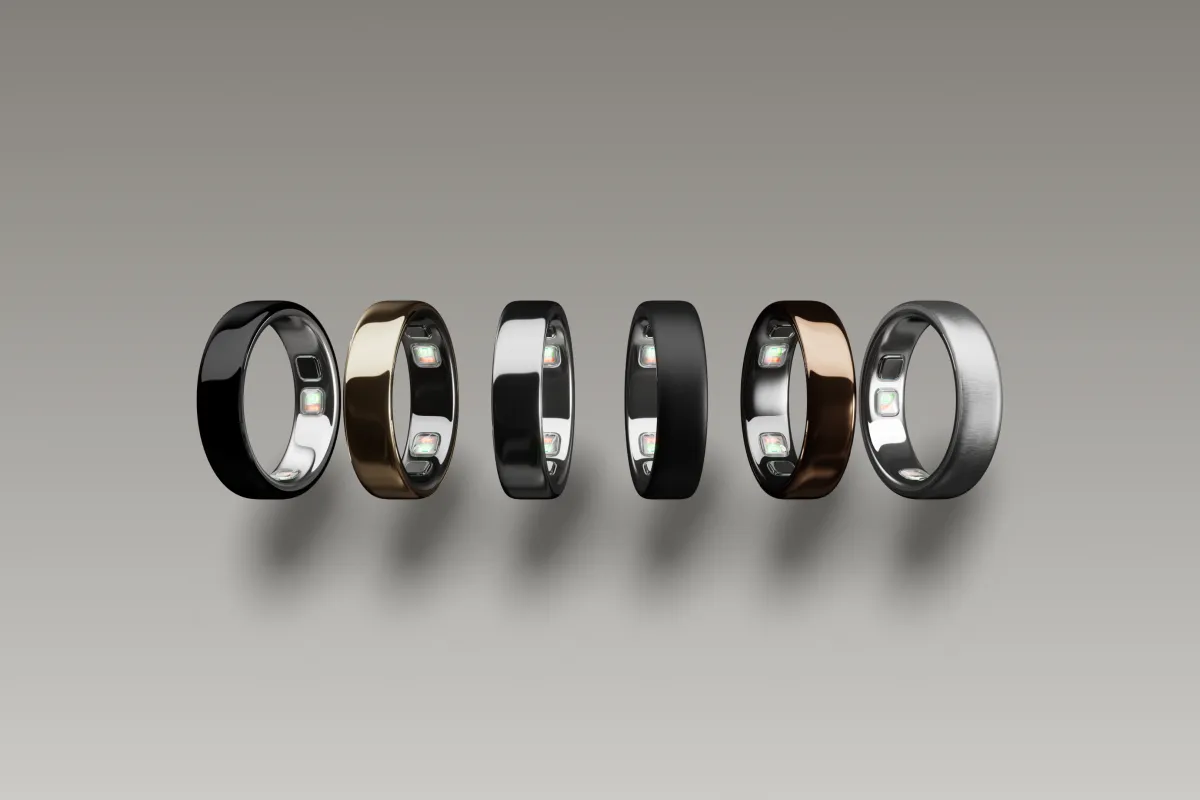
Oura, the dominant smart ring maker, is going public, but a wave of competitors is now challenging its lead. For decision-makers, this signals a rapidly commoditizing market where differentiation and speed will determine who wins.
Oura has long been the name in smart rings, but the company's upcoming IPO is drawing a spotlight on a market that is suddenly crowded with challengers. While Oura has largely dominated the smart ring market for years, a growing number of rivals are now racing to dethrone it by trying all sorts of approaches to get an edge over it. The company's public debut is a milestone, but it also exposes the pressure to stay ahead as competition intensifies.
For years, Oura's ring was the default choice for celebrities, athletes, and biohackers who wanted sleep tracking, heart rate data, and recovery scores without wearing a bulky watch. That dominance made the company a category leader, but it also made it a target. Now, a wave of competitors is entering the space with different strategies, from aggressive pricing to specialized health features, all aiming to carve out a slice of a market that is growing quickly.
The smart ring market is still young, but it is already showing signs of fragmentation. Rivals are not just copying Oura; they are trying to outmaneuver it. Some are focusing on battery life, others on accuracy, and still others on integrating with broader health ecosystems. The result is a market where the leader cannot afford to rest, especially as it prepares to answer to public shareholders who will demand growth and innovation.
Oura's IPO is a signal of confidence in the category, but it also raises the stakes. Public markets reward companies that can show a clear moat, and in a hardware market where components are increasingly standardized, the moat has to come from software, brand, and ecosystem lock-in. Oura has built a strong brand, but rivals are betting that they can win on price or on features that Oura has not prioritized.
The competitive pressure is not just about features; it is about distribution and partnerships. Smart rings are being positioned as medical-grade devices, wellness accessories, and even fashion statements. Companies that can secure partnerships with healthcare providers, insurers, or fitness brands could gain an edge that goes beyond hardware specs. Oura has already made moves in this direction, but the new entrants are coming with fresh ideas and, in some cases, more aggressive go-to-market strategies.
For executives watching this space, the smart ring battle is a case study in how a category leader can be disrupted. The same dynamics that played out in smartphones, wearables, and other hardware categories are now playing out in a much smaller form factor. The question is not whether Oura will face competition, but whether it can maintain its lead while navigating the transition to a public company.
The stakes are high for Oura, but they are also high for the entire industry. If the challengers succeed, the smart ring market could become a commodity market where margins shrink and only the most efficient players survive. If Oura holds its ground, it could prove that a focused hardware company can build a durable business in a crowded field. Either way, the next few years will be decisive.
For decision-makers, the lesson is clear: market leadership is not permanent, and the moment a category becomes visible is the moment it becomes vulnerable. Oura's IPO is a milestone, but it is also a warning. The crown is heavy, and there are plenty of contenders ready to take it.
This story's Key Insights and Take-aways are locked.
Create a free account to unlock Executive Actions for one credit.
Register to UnlockAlways free for Executives Club members. Join the Club
More in Business
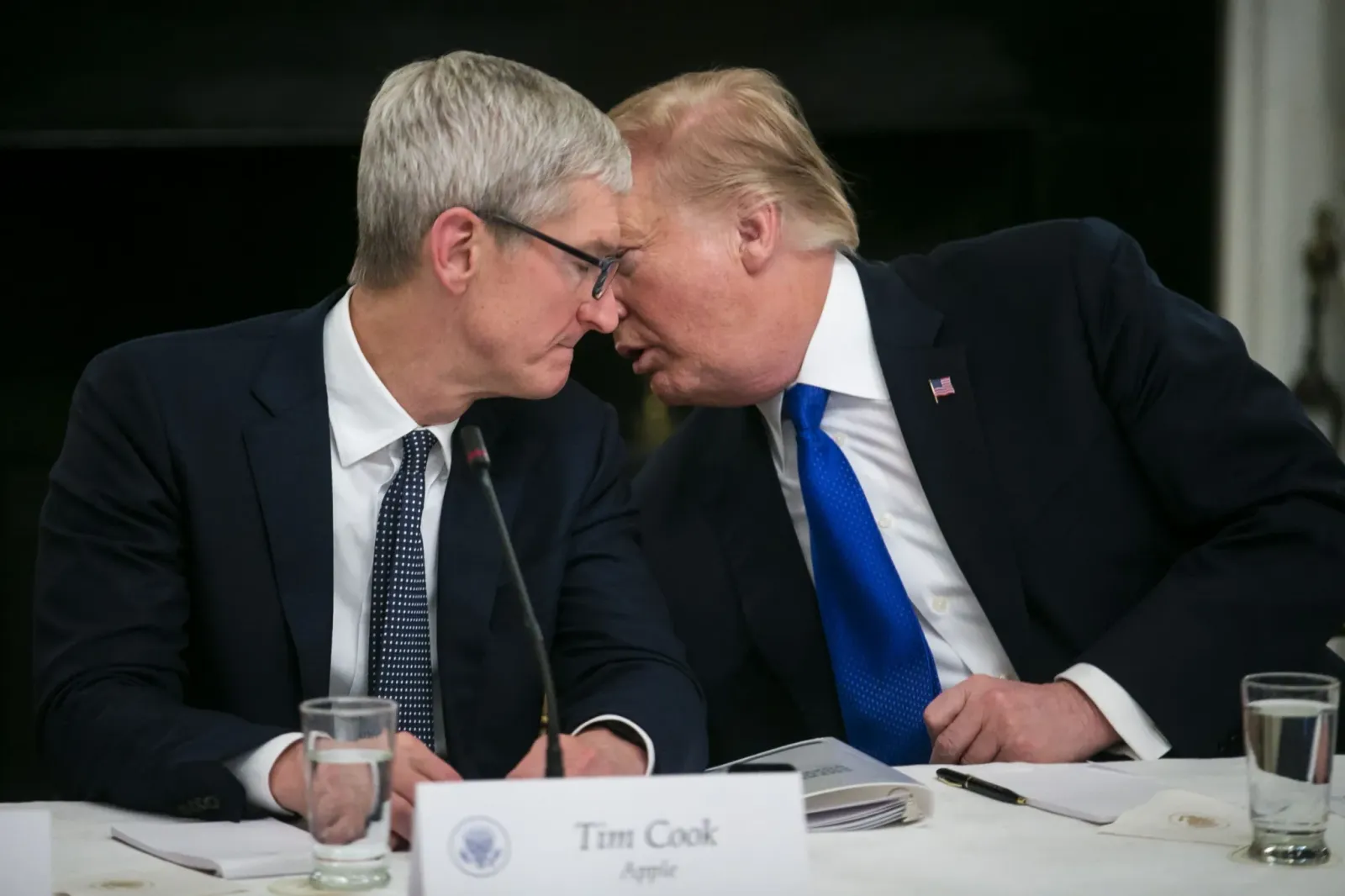
Tim Cook steps down as Apple CEO, stays on as chair with $45M equity
The 'Trump whisperer' keeps his White House and Beijing access as Apple navigates tariffs and a $4.6 trillion market cap.
Snowflake shares surge as AI data demand crushes estimates, lifting full-year forecast
Stocks jumped on stronger-than-expected guidance, signaling enterprise AI workloads are accelerating faster than Wall Street priced in.
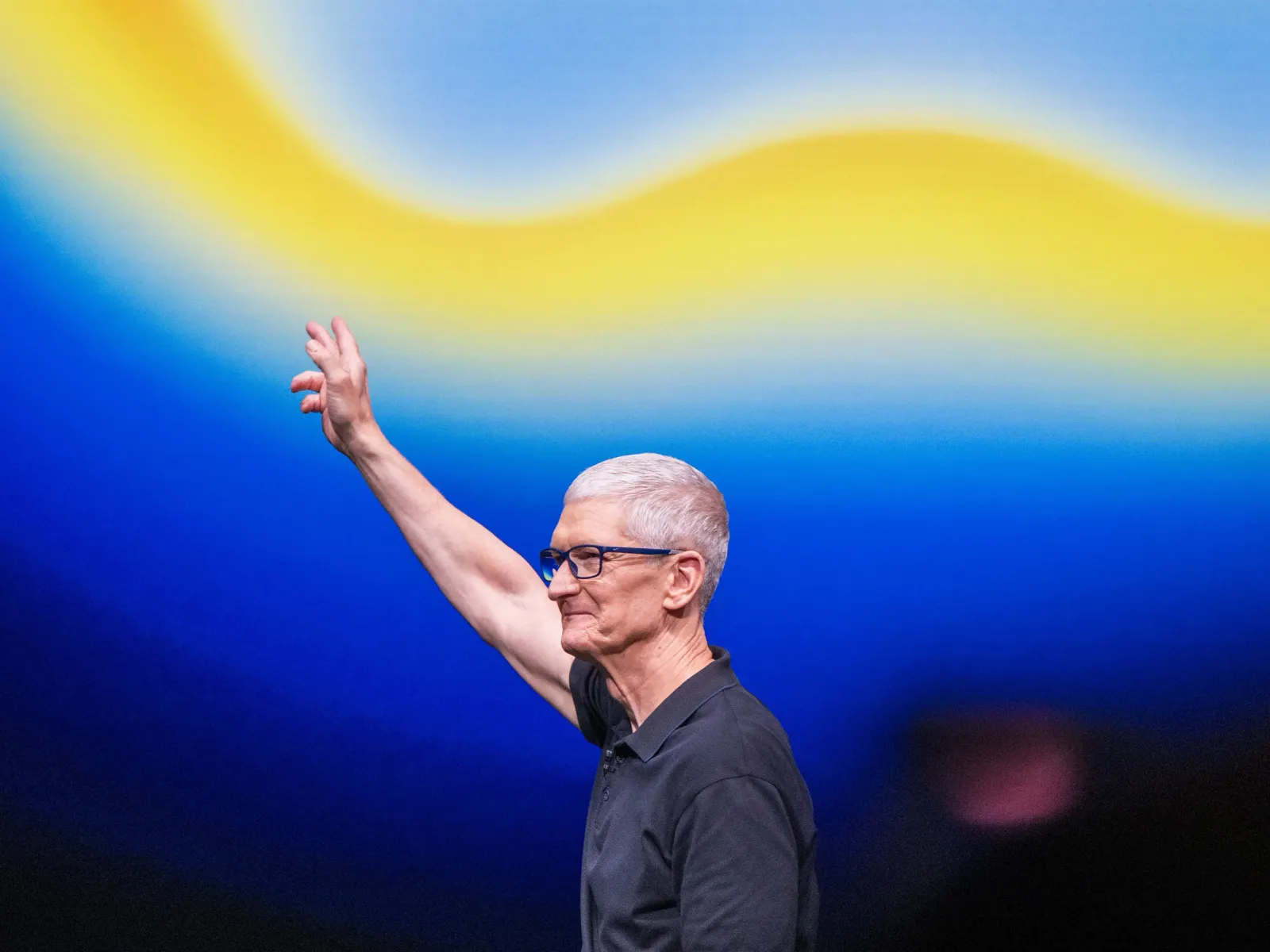
Tim Cook's 15-year Apple CEO run ends: 3 lessons for any successor
After 15 years, Tim Cook hands Apple to John Ternus - here's how he turned a $350B company into a $4.6T juggernaut.