

Paramount-WBD merger stalls in antitrust limbo. What's next?
The $43B Paramount Skydance-Warner Bros. Discovery deal is frozen by a lawsuit, leaving WBD's strategy in suspense.

Paramount Skydance's acquisition of Warner Bros. Discovery is stalled by an antitrust lawsuit, leaving WBD in limbo. For media executives, the delay creates strategic uncertainty around deal timing, regulatory risk, and competitive positioning.
The $43 billion Paramount Skydance-Warner Bros. Discovery merger is stuck in legal limbo, with an antitrust lawsuit freezing the deal at the worst possible moment for media. The acquisition, which would combine two of Hollywood's most storied studios and reshape the streaming landscape, cannot close until the court resolves the challenge. For Warner Bros. Discovery, the delay is not just a paperwork problem; it is a strategic vacuum during a period when every major media company is making high-stakes bets on consolidation, streaming profitability, and content scale.
For context, the deal was announced as a way to create a combined entity with enough scale to compete with Netflix, Disney, and Amazon in the global streaming wars. Paramount brings franchises like Star Trek, Mission: Impossible, and SpongeBob SquarePants, while Warner Bros. Discovery owns HBO, CNN, and DC Comics. The logic of the merger is straightforward: bigger libraries, broader distribution, and deeper pockets for content investment. But the antitrust lawsuit, filed by a group challenging the transaction, has thrown that logic into doubt. The court's decision will determine whether the deal proceeds, is renegotiated, or collapses entirely.
The regulatory backdrop is critical here. Antitrust enforcement in the United States has become more aggressive under the current administration, with regulators scrutinizing vertical and horizontal mergers across tech, media, and healthcare. The lawsuit against the Paramount-WBD deal is part of a broader pattern of challenges to consolidation in industries where a few players control distribution and content. For media executives, this is a warning sign: even deals that seem strategically obvious can face legal hurdles that stretch timelines and create uncertainty.
For Warner Bros. Discovery specifically, the limbo is painful. The company has been navigating a challenging advertising market, cord-cutting acceleration, and the ongoing need to invest in streaming. A merger with Paramount would have provided scale and diversification, but the delay leaves WBD in a holding pattern. Management cannot fully commit to a standalone strategy while the deal is unresolved, and investors are left guessing about the company's long-term direction. The same applies to Paramount Skydance, which is also stuck waiting for clarity.
The stakes extend beyond the two companies. If the merger is blocked, it could signal that regulators are unwilling to allow further consolidation among traditional media players, which would have ripple effects across the industry. Other potential deals, such as combinations involving NBCUniversal, Sony, or Lionsgate, could face similar scrutiny. Conversely, if the deal is approved, it could trigger a new wave of merger activity as competitors scramble to match the combined scale of Paramount-WBD.
There is also the question of timing. Media companies are making decisions about sports rights, content libraries, and streaming pricing that will shape their competitive position for years. A prolonged legal battle could leave both Paramount and WBD unable to act decisively on these fronts. Rivals like Netflix and Amazon, which are not burdened by the same regulatory uncertainty, can continue investing aggressively in content and distribution. Every month of delay widens the gap between the merged company's potential and its actual competitive position.
For boards and executives watching this case, the lesson is clear: regulatory risk must be priced into any major M&A strategy. The days of assuming a deal will close because it makes strategic sense are over. Legal challenges can come from multiple directions, including competitors, consumer groups, and state attorneys general, and they can derail even the most well-advised transactions. Companies need to build contingency plans, stress-test their assumptions, and be prepared to walk away or renegotiate if the legal environment shifts.
The Paramount-WBD case is also a reminder that antitrust is not just about prices and market share; it is about the structure of entire industries. The outcome will send a signal about whether the government believes media consolidation is good for consumers, workers, and competition. For decision-makers in media, tech, and beyond, the case is a live case study in how regulatory forces can reshape corporate strategy. The limbo may be uncomfortable for the companies involved, but it is also a moment of clarity for everyone else: the rules of the game are changing, and the cost of ignoring them is rising.
This story's Key Insights and Take-aways are locked.
Create a free account to unlock Executive Actions for one credit.
Register to UnlockAlways free for Executives Club members. Join the Club
More in Business
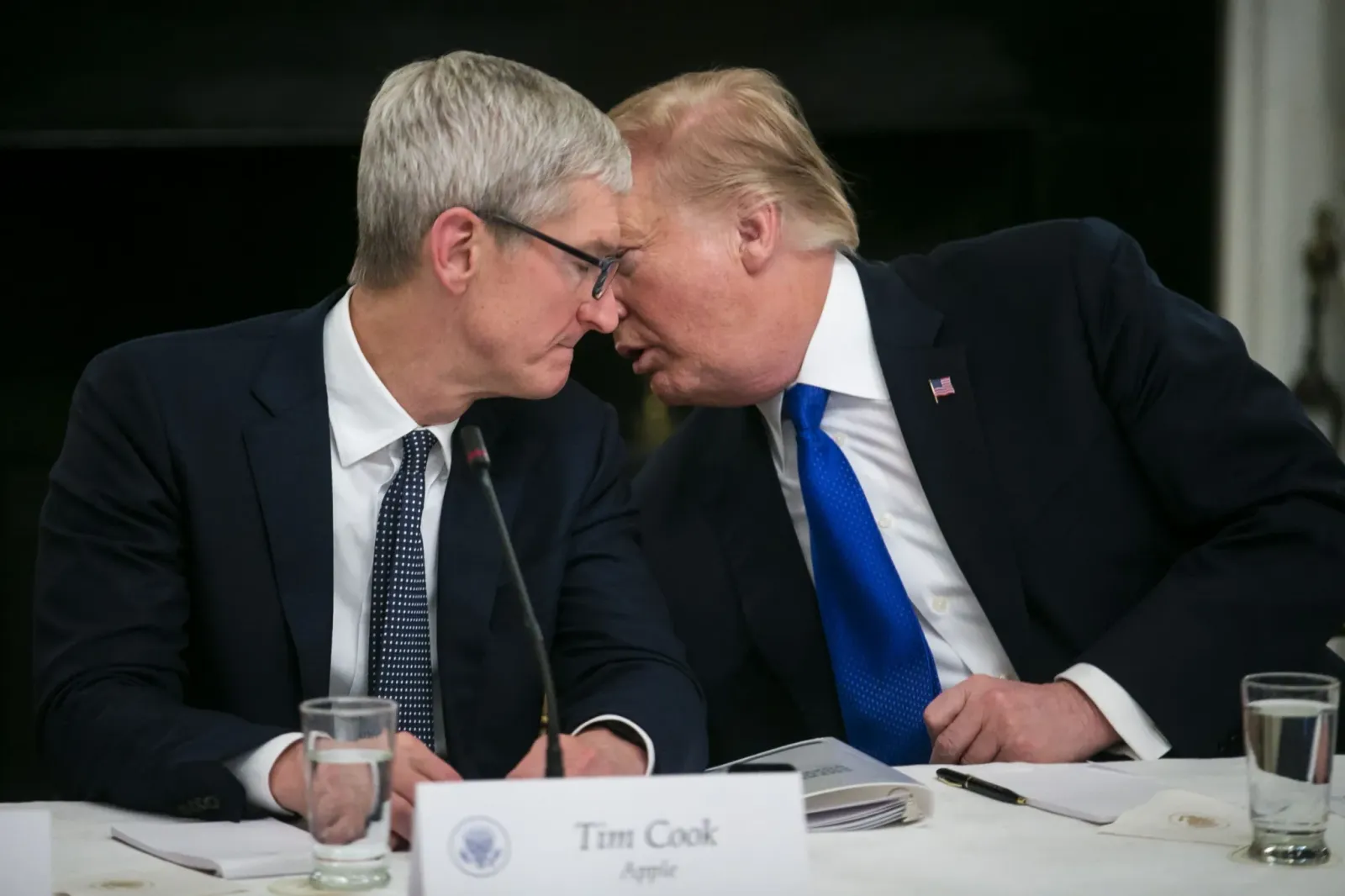
Tim Cook steps down as Apple CEO, stays on as chair with $45M equity
The 'Trump whisperer' keeps his White House and Beijing access as Apple navigates tariffs and a $4.6 trillion market cap.

Snowflake shares surge as AI data demand crushes estimates, lifting full-year forecast
Stocks jumped on stronger-than-expected guidance, signaling enterprise AI workloads are accelerating faster than Wall Street priced in.
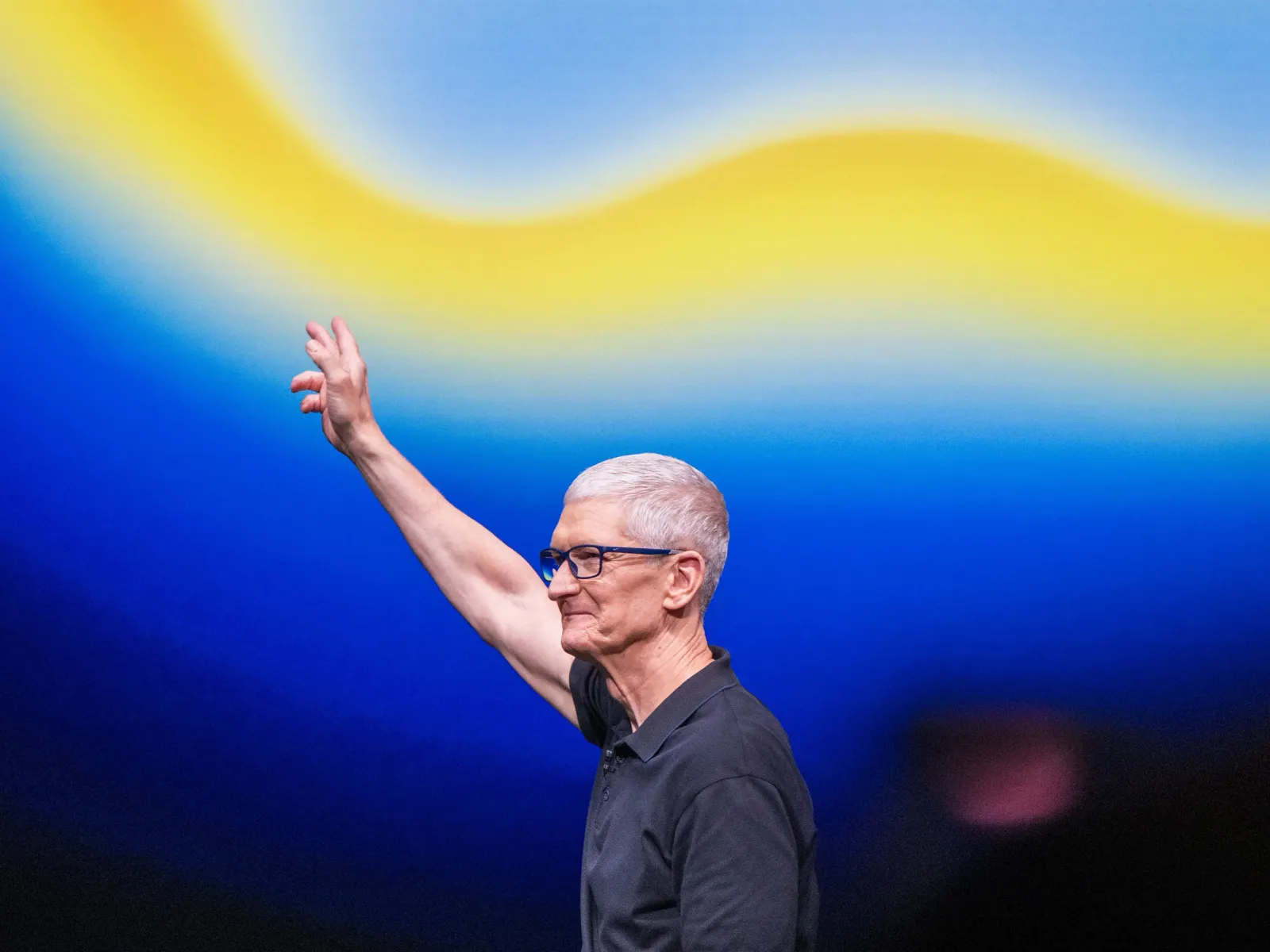
Tim Cook's 15-year Apple CEO run ends: 3 lessons for any successor
After 15 years, Tim Cook hands Apple to John Ternus - here's how he turned a $350B company into a $4.6T juggernaut.