

Pardon money and lobbying firms are booming under Trump. Here is how it works
The clemency lobbying industry is expanding, shaping how people try to win presidential pardons and commute sentences.
NPR's Ayesha Rascoe speaks with NOTUS reporter Jasmine Wright about the growing lobbying industry aimed at securing presidential pardons under the second Trump administration. For executives and decision-makers, it raises questions about how influence markets operate when legal outcomes hinge on clemency.
NPR's Ayesha Rascoe talks with NOTUS reporter Jasmine Wright about the growing lobbying industry built around a very specific political product: presidential pardons under the second Trump administration. The headline number in the story's branding is stark, and it is meant to pull you into the uncomfortable reality of the moment. When clemency becomes a market, the questions are no longer just legal. They are economic, reputational, and operational.
Clemency, unlike a court case, sits in the realm of presidential discretion. That discretion is not random, but it is also not purely mechanical. The NPR conversation centers on how a growing set of actors market access to decision-makers and try to translate legal narratives into political outcomes. In other words, the “industry of clemency lobbying” is about improving a petitioner's odds by working the system that sits around the president, not by litigating the case in public.
To understand why this matters, you have to understand how incentives change when discretion becomes the bottleneck. Courts can be slow. Judges follow rules and precedent. But presidential clemency operates on a different timeline and a different feedback loop. That makes it ripe for intermediaries: people who know how clemency requests are packaged, who understands what documentation is typically needed, and who can present a case so it is legible to political staff.
This is also why the story lands with the same kind of urgency you might feel when you hear about regulatory lobbying or procurement influence. Even when the underlying process is legally constrained in some ways, the final call often depends on judgment. When judgment is involved, a whole ecosystem can form around messaging, coordination, and relationships. The NPR report, as described, focuses on the expansion of that ecosystem under the second Trump administration.
There is a second-order effect here that executives and board members should recognize even if they never touch the criminal justice system directly. When influence becomes something you can buy or broker, the value shifts from “best argument wins” to “best argument distribution wins.” That can distort which cases gain traction in the first place, and it can also change how organizations think about compliance, risk, and reputational exposure.
Clemency lobbying also raises governance questions that look familiar to any company that deals with regulators. Who sets the agenda? Who gets heard early? Who does the heavy lifting of translating complex facts into a format that decision-makers can act on? In many industries, the answer is a specialist: an adviser, a lobbyist, a consultant, a firm with a repeatable playbook. The NPR discussion about growing clemency lobbying suggests that the same pattern is taking hold in the clemency space, with presidential discretion at the center.
And because we are talking about presidential pardons, the stakes are not just private. Clemency decisions reverberate. They affect public trust, the perceived fairness of the system, and the behavior of future applicants. If people believe outcomes can be influenced through an organized lobbying market, it can change the expectations of defendants, families, advocacy groups, and even prosecutors. It can also create an arms race for resources, where those with access can compete more effectively in the “soft power” dimension.
For executives and anyone overseeing governance, the practical takeaway is that the line between legal process and political decision-making is not just a theory. It is a real funnel where intermediaries can operate. As the story frames it, the industry around clemency is growing. That means more people and firms are positioning themselves to help petitioners get noticed, get packaged, and get presented to the right audience. In a world where discretion can decide outcomes, that growth is a signal, not just a curiosity.
Bottom line: NPR's Ayesha Rascoe and NOTUS reporter Jasmine Wright examine a clemency lobbying industry expanding under the second Trump administration. The headline stakes point to the emergence of a pay-to-be-heard model around pardons, and the underlying implication is broader. Influence markets will follow discretion. When the discretion is presidential, the market can scale quickly, and decision-makers everywhere should understand the incentives and the reputational risk that come with it.
This story's Key Insights and Take-aways are locked.
Create a free account to unlock Executive Actions for one credit.
Register to UnlockAlways free for Executives Club members. Join the Club
More in Politics
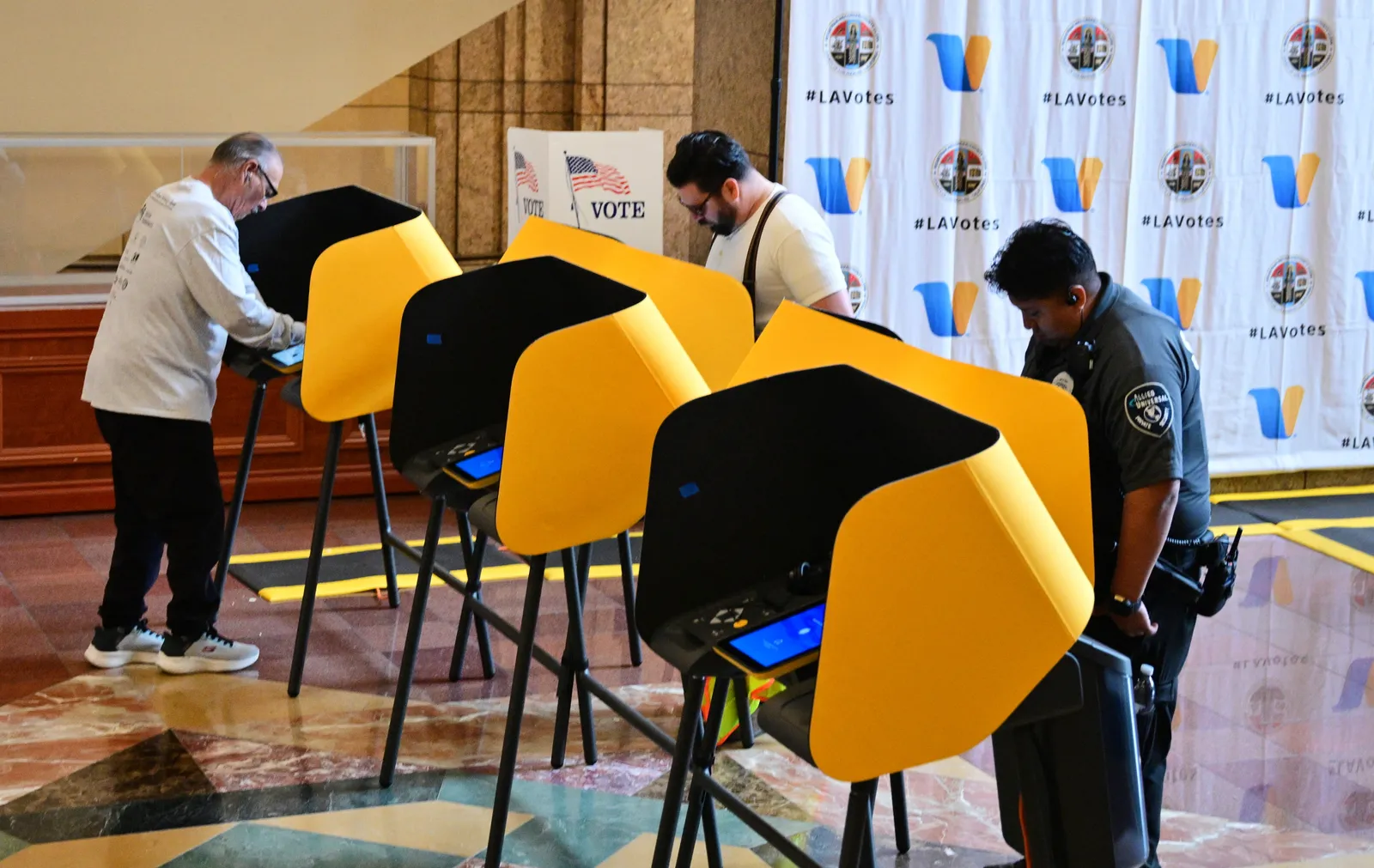
LA County: DOJ's 20,000 'noncitizen' voter list is 'unreliable,' includes U.S.-born
Preliminary review by Los Angeles County election officials finds errors in the federal list, raising the stakes for voter roll integrity ahead of November.
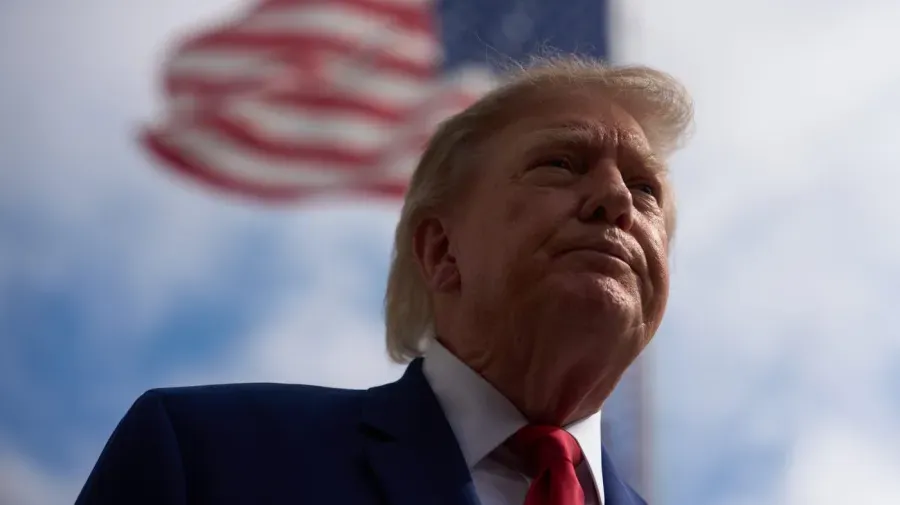
Trump's $1.5B Pentagon chip investment lands in North Carolina
A $1.5 billion defense infusion for North Carolina chipmaking signals a new era of Pentagon-backed reshoring - here's what it means for the industry.
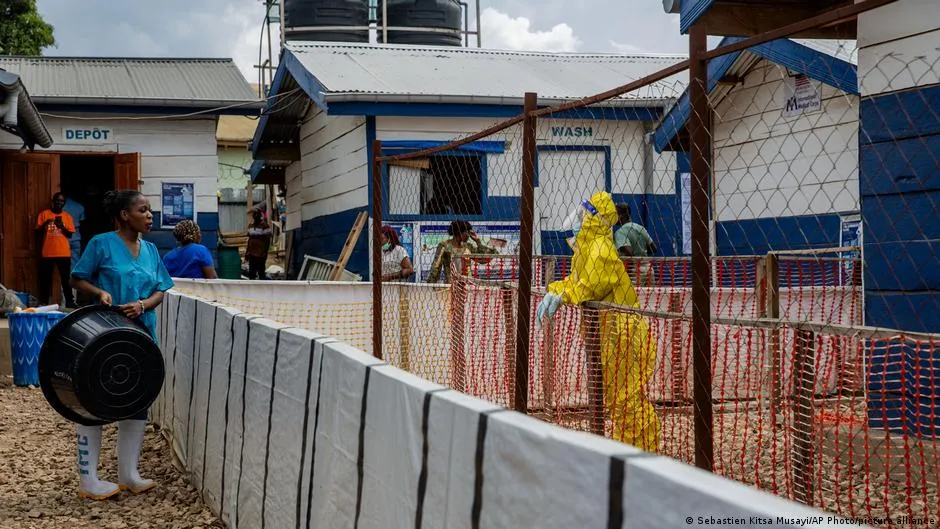
Nigeria confirms first Ebola case in Abuja, a woman just off a Uganda flight
Health Minister Muhammad Ali Pate says the patient flew in from Uganda, putting Africa's latest outbreak on Nigeria's doorstep.