
Peacock rolls out vertical video feed this month and adds Bravo microdramas
A new vertical feed lands this month, paired with Bravo microdramas, as streaming pushes harder into mobile-first viewing habits.

Peacock is set to launch a new vertical feed this month, alongside Bravo microdramas. For decision-makers, the move signals where engagement budgets and programming experimentation are heading next.
Peacock is rolling out a new vertical feed this month, and it is pairing that format push with Bravo microdramas. That pairing matters because it is not just a UI tweak. It is a commitment to delivering scripted entertainment in the same style that has already proven it can win attention on mobile: short, scrollable, and built for “one more clip” behavior.
For executives, the practical question is simple: what happens to discovery, retention, and ad or subscription value when your content library is reorganized around vertical consumption? The source confirms the core development: the vertical feed will arrive this month, and Bravo microdramas are part of the rollout. In other words, this is not a wait-and-see experiment with a thin shelf display. Peacock is tying a new viewing surface to new original programming formats.
Zoom out to how streaming competition actually plays in 2026. Most platforms are not just racing on who has the biggest catalog. They are racing on who can reliably turn a first interaction into ongoing habit. Vertical video has become one of the most efficient habit builders in consumer tech. When a viewer’s default mode is a feed, the product design, not just the content, starts doing heavy lifting. That means Peacock’s decision has implications for internal metrics like swipe-through rate, watch time per session, and how quickly the service can turn a casual browser into a repeat viewer.
This is also where the “format risk” shows up inside the boardroom. A vertical feed changes the economics of audience testing. Instead of measuring performance purely by traditional episode minutes and episodic completion rates, the system pushes toward engagement patterns that look more like social video. If Peacock’s microdramas are designed for mobile-friendly bursts, then the platform can iterate faster on packaging, pacing, and topic or character focus. The second-order effect is that creative teams and product teams become more tightly coupled. Story and distribution design stop being separate projects. They become one project with one feedback loop.
There is another incentive shift worth noticing: vertical formats can compress time-to-signal. In traditional TV or even standard streaming releases, you learn what works over longer windows. In a feed-based approach, the platform can see early which stories earn replays, shares, and continued scrolling. That can change how studios allocate future slate priorities. If the vertical feed rollout plus Bravo microdramas generate strong early engagement, leadership can justify more investment in micro-format originals. If performance disappoints, decision-makers can scale back quicker because the learning window is shorter.
Regulatory and policy context also matters here, even if the source does not get specific. Streaming platforms operate across jurisdictions with different expectations around classification, advertising, data usage, and youth content. Vertical video is typically tied to highly personalized recommendations and frequent measurement. That means platforms must ensure that the content mix and targeting controls continue to meet policy requirements, especially when content is made for mobile and can travel quickly across audiences. Even without new rules announced in the source, a vertical feed creates a new operational surface where compliance, reporting, and measurement need to line up with how recommendations are served and what data is collected.
So what does this mean for peers? Peacock’s vertical feed rollout, plus Bravo microdramas, tells other streaming executives that experimentation with mobile-first format is moving from “innovation lab” into mainstream product deployment. If competitors treat vertical video as an optional feature while Peacock makes it part of the viewing default, Peacock may gain an advantage in early engagement and in how effectively it can market new programming. For decision-makers at other platforms, the strategic stakes are straightforward: engagement is increasingly a product outcome, not just a content outcome. Whoever controls the feed experience better may control the audience behavior better.
Bottom line: Peacock is launching a new vertical feed this month and adding Bravo microdramas to that rollout. That is a clear signal that mobile-first consumption is becoming a core distribution strategy, with programming engineered to match the surface where viewers already spend their attention.
This story's Key Insights and Take-aways are locked.
Create a free account to unlock Executive Actions for one credit.
Register to UnlockAlways free for Executives Club members. Join the Club
More in Entertainment

Steam Next Fest: Order of the Sinking Star drops a demo bigger than many paid puzzle games
Jonathan Blow’s ambitious puzzle project lets players try it Monday, June 15, via a free Steam Next Fest demo.

Gorillaz lock 22 guest performers for Tottenham stadium debut, led by Johnny Marr and Yasiin Bey
A first-ever stadium headline for Gorillaz in London comes with a stacked guest list tied to new album collaborations.
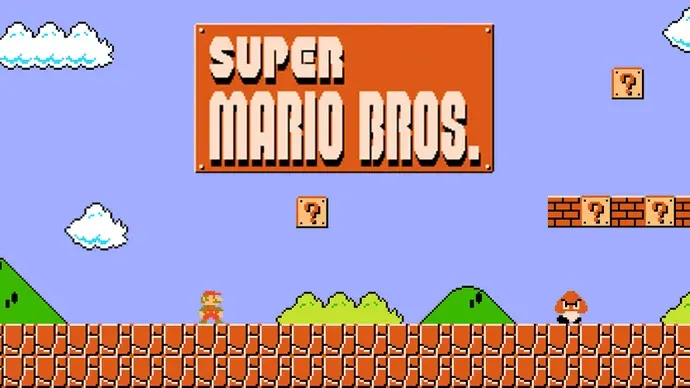
Super Mario Bros. copy sells for $3m, setting a new auction record
A rare preserved cartridge clears $3 million at auction, reshaping how execs think about collectibles as assets.