
Pedro Sanchez returns to Algeria after 4-year freeze, as Spain rethinks Western Sahara stance
The Spain-Algeria thaw follows Madrid's 2022 shift on Western Sahara and Algeria's restart of a suspended friendship treaty.
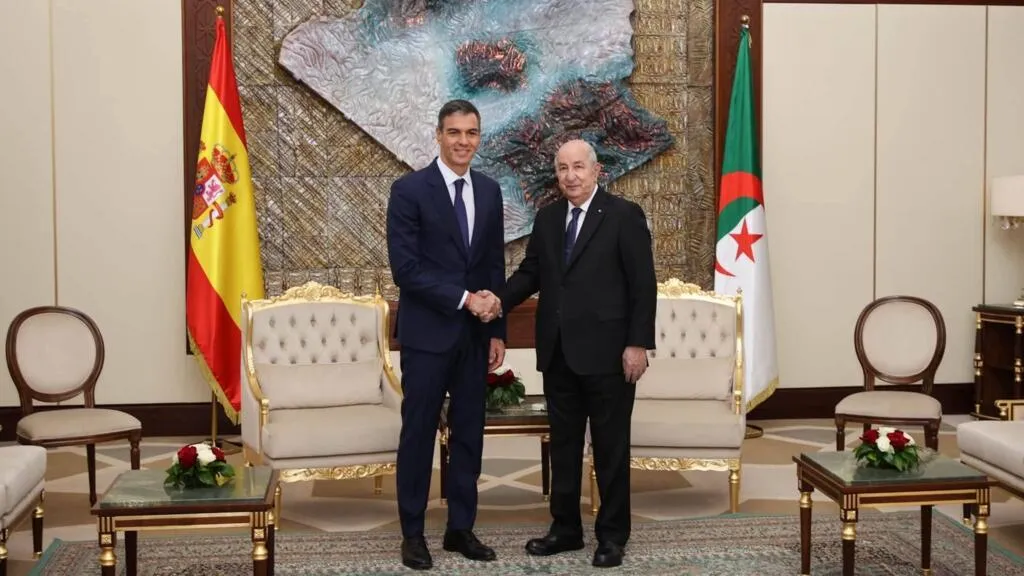
Spain’s Prime Minister Pedro Sanchez visited Algeria for the first time in four years to mend ties that broke over Western Sahara. For decision-makers, the diplomatic reset signals how quickly political stance can reopen channels with real commercial and regulatory consequences.
Spain’s Prime Minister Pedro Sanchez visited Algeria on Monday for the first time in four years. The visit is not symbolic theater. It is a deliberate attempt to mend diplomatic ties with Algiers after the relationship was frayed by a row over Western Sahara, a dispute that has repeatedly turned geopolitics into friction at the policy level.
The immediate trigger is the fallout from Spain’s policy pivot in 2022. Madrid abandoned its neutrality stance over the disputed territory and backed Morocco’s sovereignty claim. That move angered Algeria, which had an opposing stance and treated the shift as a diplomatic breach. The thaw began last year, when Algeria reactivated a friendship treaty it had suspended over the dispute. So Sanchez’s trip now is the next step in a sequence that started with a change in position in Madrid, followed by a reciprocal change in Algeria’s behavior.
If you run a company with exposure to European supply chains, energy markets, logistics, or regulated cross-border operations, diplomatic resets matter more than most dashboards admit. Western Sahara is not just a map issue. It is the kind of dispute that can ripple into government-to-government coordination, border and visa regimes, procurement and tender expectations, and the practical speed at which approvals move. Even when day-to-day commercial dealings continue, the policy tone can change what governments prioritize, how quickly they respond, and which counterparties feel “safe” to engage.
This is also a story about how quickly trust can be lost and rebuilt in international relations. In 2022, Spain moved away from neutrality, aligning itself with Morocco’s sovereignty claim. Algeria’s reaction was strong enough that it suspended a friendship treaty. Then, last year, the direction shifted. Algeria reactivated that suspended friendship treaty, which is a concrete signal that Algiers was prepared to lower the temperature and reopen institutional ties. Sanchez’s visit is the follow-through: a high-level political engagement that typically makes it easier for ministries, regulators, and state-linked entities to coordinate without constantly inheriting the previous dispute.
For executives and boards, the real lesson is not “diplomacy is important.” It is “policy stance changes are risk events.” When governments revisit neutrality in a contested territory, the impact can extend well beyond foreign offices. Commercial counterparts often feel it through second-order effects: changes in government procurement preferences, shifts in the reliability of cross-border documentation processes, altered transport routing decisions, and new diligence expectations from compliance teams. The bigger the regulatory interface, the more likely a political thaw becomes operational.
There is also a market signaling angle. Diplomatic thawing often reduces uncertainty premiums. Investors and lenders hate ambiguity, especially when it intersects with cross-border rules. A resumed friendship treaty is a legal and bureaucratic reactivation, not just a press-release gesture. That can translate into clearer pathways for cooperation and, over time, more stable planning assumptions for firms that must forecast deliveries, staffing, and costs across jurisdictions.
Finally, there is the governance and stakeholder-management side. Sanchez’s decision to travel after a four-year gap suggests Spain’s leadership wants to show that it is serious about repairing ties, not merely managing headlines. When a relationship was damaged by a controversial policy shift in 2022, repairing it usually requires more than promises. It requires movement at the highest level, plus signs that the underlying dispute is being handled with a new posture. Algeria’s reactivation of the friendship treaty last year is one such sign, and Sanchez’s trip now completes the loop.
For other leaders navigating geopolitical complexity, this is a reminder that “thaw” is a process, not an event. Madrid’s 2022 stance shift, Algeria’s suspension, then last year’s treaty reactivation, and now the first visit in four years form a timeline that looks like risk management by states. The strategic stakes are clear: when diplomacy warms, cross-border coordination improves and uncertainty falls. When it cools, the reverse happens, and companies end up paying the bill through delays, compliance friction, and planning errors. In a world where politics can quickly rewire the rules, Sanchez’s visit is a signal that the rules are at least trying to move again.
This story's Key Insights and Take-aways are locked.
Create a free account to unlock Executive Actions for one credit.
Register to UnlockAlways free for Executives Club members. Join the Club
More in Politics

LA County: DOJ's 20,000 'noncitizen' voter list is 'unreliable,' includes U.S.-born
Preliminary review by Los Angeles County election officials finds errors in the federal list, raising the stakes for voter roll integrity ahead of November.

Trump's $1.5B Pentagon chip investment lands in North Carolina
A $1.5 billion defense infusion for North Carolina chipmaking signals a new era of Pentagon-backed reshoring - here's what it means for the industry.

Nigeria confirms first Ebola case in Abuja, a woman just off a Uganda flight
Health Minister Muhammad Ali Pate says the patient flew in from Uganda, putting Africa's latest outbreak on Nigeria's doorstep.