

Poland opposition plans to expel Mateusz Morawiecki, risking a popularity hit
A power struggle inside Poland's main opposition force is turning into a purge. Here is what it could change.
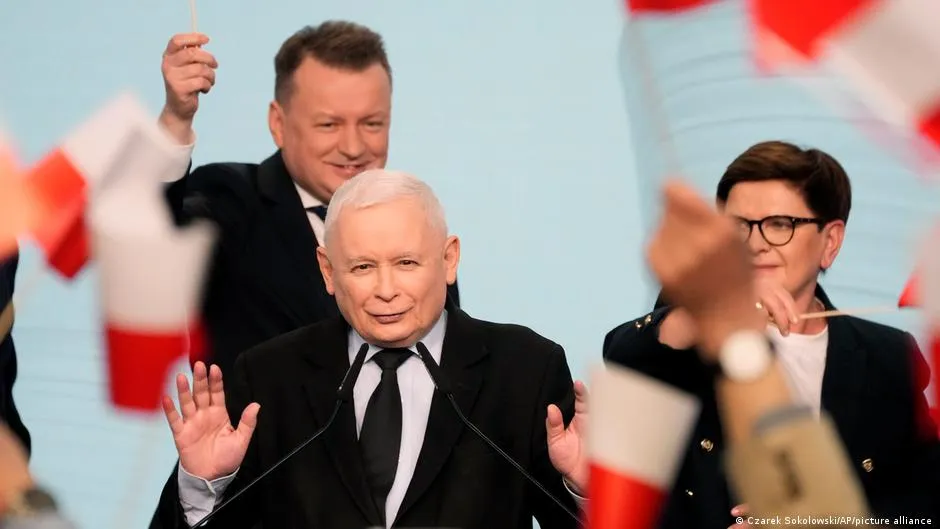
Poland's main opposition force is facing a head-on power struggle, with a move to expel former Prime Minister Mateusz Morawiecki. For decision-makers, the risk is that the expulsion attempt could weaken the right-wing party's popularity.
Poland's main opposition force is in a public internal collision, and the flashpoint is simple: it may move to expel former Prime Minister Mateusz Morawiecki. That decision, even before any formal outcome, carries a very specific political risk, because it could greatly weaken the right-wing party's popularity.
Morawiecki is not just another factional figure. The fact that he is a former Prime Minister makes the power struggle hard to contain and hard to frame as anything other than a fight over the party's direction and public appeal. When an opposition bloc tries to remove a high-profile leader, it can look like discipline to insiders and like political betrayal to voters. In this case, the source is explicit about the stakes: the expulsion move may greatly weaken the right-wing party's popularity.
To understand why this matters beyond the usual party drama, zoom out to how opposition coalitions typically behave in parliamentary systems. Opposition parties live and die by coherence. They need to convince voters they can govern, not just out-argue the government on any single day. A factional purge can temporarily satisfy internal power holders, but it often triggers a split narrative externally. Supporters who identify with the expelled figure may interpret the move as a rejection of their priorities, even if the official reasoning is about unity or strategy.
This is the core tension in a headline like this: an internal process meant to resolve conflict can create new external conflict. The source describes a “power struggle within Poland's main opposition force” that has “come to a head.” That phrasing matters. It suggests the fight was not minor or easily managed. It had to escalate until the party faced a decisive action, such as expulsion. And once you reach the expulsion stage, you are no longer just negotiating positions. You are drawing lines.
Second-order implications show up fast in opposition politics because brand and credibility are the currency. If the right-wing party's popularity is at risk, then the expulsion is not only a governance question inside the party. It becomes a measurable electoral question outside it, affecting how other political actors allocate attention, resources, and endorsements. Opposition parties often rely on coalition dynamics. If one major bloc appears to be self-destructing, potential partners can hedge or delay cooperation.
There is also a governance and regulatory-adjacent angle, even without new legal facts in the source. Political instability and public fragmentation tend to influence the broader policy environment. For investors, regulators, and corporate decision-makers, election cycles and polarization can increase uncertainty around how rules will be interpreted and enforced. Not because “business is political,” but because policy momentum and legislative bargaining typically change with party cohesion. When an opposition force weakens, the governing side can face less credible pressure for change. That can alter the expected timetable for reforms or oversight.
The source does not provide details on why expulsion is being pursued, nor the procedural mechanics. What it does provide is a clear directional warning: expelling Mateusz Morawiecki may “greatly weaken” the right-wing party's popularity. That is a high-stakes claim, and it implies the leadership calculus is uncertain. A party that believes it can reset its image through internal discipline might be underestimating how voters react when a former Prime Minister is sidelined.
For peers in similar roles, the strategic lesson is blunt. Opposition parties are not only internal organizations; they are public brands built around trust. If the leadership chooses a purge over reconciliation, it needs a plan for how it will maintain electoral appeal after the break. Otherwise, the internal win can become the external loss, and popularity can slide while the governing side keeps the initiative. In the short term, the expulsion move might settle internal power. In the medium term, the source suggests it could undermine the very audience the opposition needs to win.
This story's Key Insights and Take-aways are locked.
Create a free account to unlock Executive Actions for one credit.
Register to UnlockAlways free for Executives Club members. Join the Club
More in Politics

LA County: DOJ's 20,000 'noncitizen' voter list is 'unreliable,' includes U.S.-born
Preliminary review by Los Angeles County election officials finds errors in the federal list, raising the stakes for voter roll integrity ahead of November.
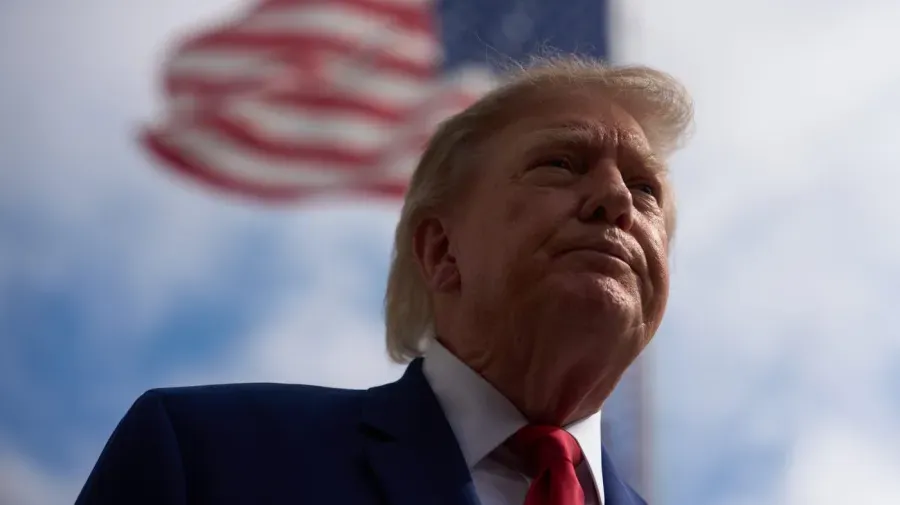
Trump's $1.5B Pentagon chip investment lands in North Carolina
A $1.5 billion defense infusion for North Carolina chipmaking signals a new era of Pentagon-backed reshoring - here's what it means for the industry.

Nigeria confirms first Ebola case in Abuja, a woman just off a Uganda flight
Health Minister Muhammad Ali Pate says the patient flew in from Uganda, putting Africa's latest outbreak on Nigeria's doorstep.